
Premium Wood Composite Decking Boards for Residential and Commercial Use
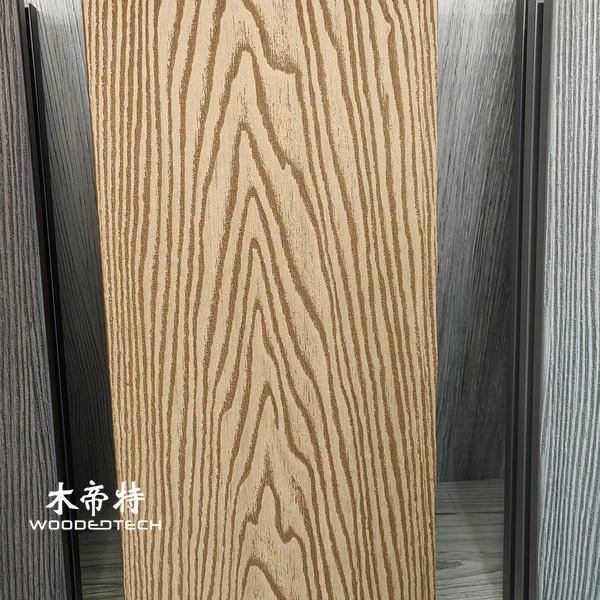
Premium wood composite decking boards are a practical choice for projects that need the look of timber with better durability and lower maintenance. For residential developments, commercial terraces, hospitality spaces, and public walkways, they offer a stable, attractive surface that performs well in demanding outdoor conditions.
Why Buyers Choose Composite Decking
Wood plastic composite decking is made from a blend of wood fibers and polymer, creating a board that resists moisture, warping, cracking, and insect damage better than many natural wood options. That makes it especially useful for clients who want predictable long-term performance and fewer after-sales issues. It also helps reduce repainting, staining, and frequent board replacement, which are major cost drivers in large-scale outdoor projects.
For B2B buyers, product consistency matters as much as appearance. Modern composite decking boards are available in multiple colors, surface textures, and profiles, including capped and co-extrusion options that improve stain resistance and color stability. This gives contractors, distributors, and developers more flexibility when matching project requirements without sacrificing function.

Suitable for Residential and Commercial Use
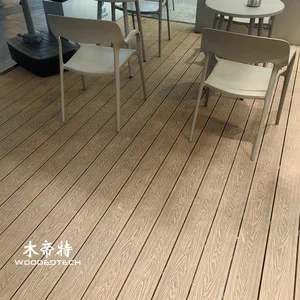
In residential applications, composite decking is often used for backyards, balconies, rooftop lounges, pool surrounds, and garden paths. Homeowners value the clean finish and low upkeep, while installers appreciate boards that are easier to standardize across repeat projects.
In commercial settings, the material is well suited to hotels, resorts, retail outdoor seating, restaurants, and public leisure areas. These spaces see heavier foot traffic, so slip resistance, weather resistance, and structural reliability are important. A quality board with the right joist system and proper installation can help maintain a professional appearance under constant use.
What to Look for When Sourcing
When purchasing decking for wholesale or project supply, buyers should evaluate more than price. Key points include:
- Board density and core structure
- Surface treatment and anti-slip performance
- UV resistance and color retention
- Warranty terms and quality control
- Available lengths, widths, and matching accessories
It also helps to work with a supplier that can support customization, batch consistency, and stable lead times. For overseas buyers, clear technical data and export experience are important, especially when projects need specific certifications or installation guidance.
A Better Fit for Long-Term Projects
Compared with traditional wood, composite decking is often easier to budget across the full life cycle of a project. The upfront material cost may be higher in some cases, but reduced maintenance, longer service life, and lower replacement frequency can improve total value. That is why many builders and distributors now treat it as a core outdoor building material rather than a niche alternative.
FAQ
Q: What is wood composite decking made of? A: It is typically made from wood fibers or flour mixed with plastic and additives. This combination improves weather resistance and reduces maintenance compared with natural wood.
Q: Is composite decking suitable for commercial projects? A: Yes, it is commonly used in hotels, restaurants, resorts, and public outdoor areas. Its durability and low upkeep make it a strong fit for high-traffic environments.
Q: What should B2B buyers check before ordering? A: Confirm board quality, slip resistance, UV stability, dimensions, and supplier consistency. It is also wise to review warranty coverage and installation requirements.
Related Articles


Related Products
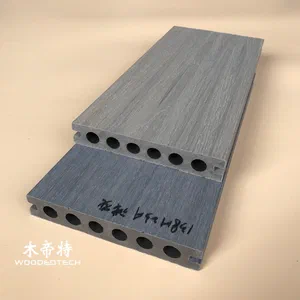 GD13823 Composite Decking Material Features Six Small Round Holes to Reduce Weight While Maintaining Structural Strength
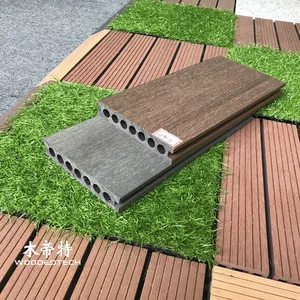 GD13823-2 Wood Versus Composite Decking Features Seven Round Holes with Wood Grain and Brushed Textures on Opposite Sides
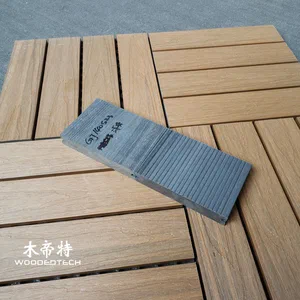 GD14023S Composite Deck Materials Feature a Solid Structure and Side Grooves for Better Adaptability in Extremely Cold Climates