
Premium Composite Deck for Sale: Enhance Your Industrial Projects in 2023
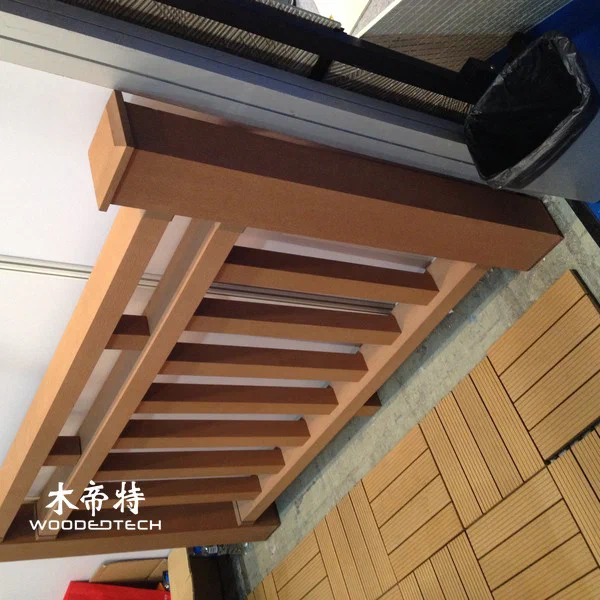
Designing high-performance outdoor wood plastic composite (WPC) formulas requires a careful balance of various components to achieve durability, aesthetic appeal, and cost-effectiveness. This article explores the essential elements in creating WPC materials for applications such as decking, wall cladding, fencing, pergolas, and landscape products.
Wood Fiber Content and Plastic Ratio
The choice of wood fiber content significantly impacts the mechanical properties and appearance of WPC products. Typically, a wood fiber content of 50-70% is optimal for ensuring sufficient strength and stiffness while maintaining a lightweight profile. However, increasing wood fiber can lead to challenges such as moisture absorption and potential mold growth. Therefore, the plastic ratio should be adjusted accordingly, often ranging from 30-50% of the total formula, to enhance weather resistance and longevity.
Balancing the wood and plastic content directly affects the product’s lifespan. Higher plastic ratios can improve weatherability and reduce maintenance needs. Conversely, a higher wood fiber content might provide a more natural aesthetic but can compromise durability if not properly treated or combined with additives.
Additives for Enhanced Performance
Incorporating additives is crucial for optimizing the performance of WPCs. Common additives include:
- UV stabilizers: Protect the material from sun damage and fading.
- Anti-fungal agents: Prevent mold and mildew growth, enhancing longevity.
- Fire retardants: Improve safety by reducing flammability.
- Colorants: Provide aesthetic options and ensure uniformity in appearance.
These additives should be selected based on the intended application of the WPC product. For instance, decking materials may require stronger UV protection and slip-resistant additives compared to wall cladding.
Cost Control Strategies

Cost management plays a vital role in the formulation of premium WPC products. Here are a few strategies to maintain quality while controlling expenses:
- Sourcing materials: Opt for sustainable and locally sourced wood fibers to reduce transportation costs and support eco-friendly practices.
- Process optimization: Utilize advanced manufacturing techniques such as co-extrusion, which enhances surface protection while minimizing material waste.
- Bulk purchasing: Work with suppliers to obtain raw materials in larger quantities to lower costs.
By carefully evaluating these aspects, manufacturers can provide high-quality products without compromising on performance or profitability.
Product Lifespan Considerations
The anticipated lifespan of WPC products is a critical consideration in the design process. Typically, high-quality WPC decking can last 25-30 years with proper maintenance. Factors that influence lifespan include:
- Environmental exposure: Products used in harsh climates may require additional protective measures.
- Maintenance routines: Establishing clear guidelines for maintaining WPC products can significantly extend their lifespan.
- Quality of materials: Using high-grade polymers and treated wood fibers enhances durability and resistance to environmental stressors.
By focusing on these factors, manufacturers can develop WPC products that not only meet market demands but also provide long-term value to customers.
Conclusion
Designing high-performance outdoor WPC formulations involves a comprehensive understanding of material properties, cost management, and product longevity. By balancing wood fiber content and plastic ratios, incorporating effective additives, and implementing cost control strategies, manufacturers can create superior WPC products for decking, wall cladding, fencing, and other outdoor applications. This thoughtful approach leads to durable, aesthetically pleasing, and cost-effective solutions that enhance industrial projects.
Related Articles
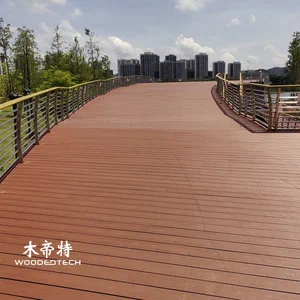 Understanding WPC Board Size and Price: A Comprehensive Guide for 2023
 Choosing the Right WPC Decking Manufacturer: Key Factors for 2023 Success
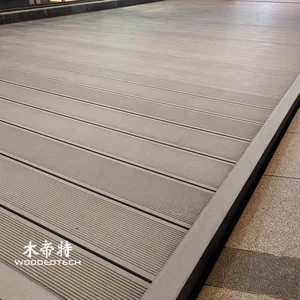 WPC Deck Flooring: A Comprehensive Guide to Materials, Performance, and Applications
 wood plastic decking nz solutions are designed for outdoor environments requiring low maintenance flooring systems
Related Products
 GD13820 M Shape Co Extruded Composite Deck Planks Feature a Special Profile Design for Distinctive Outdoor Decking Applications
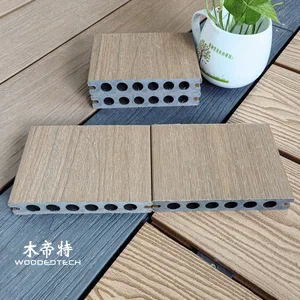 GD13823 Double Sided Flat Surface Co Extruded WPC Decking Features a Popular Width and Thickness with Round Hollow Structure
 GD13823-3 Composite Boards for Decking Are Available in Multiple Stock Colors with 3 Meter Lengths and Single Piece Delivery