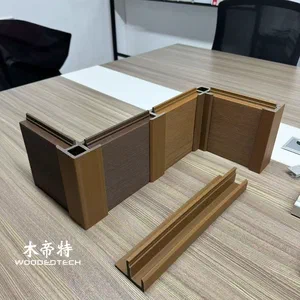
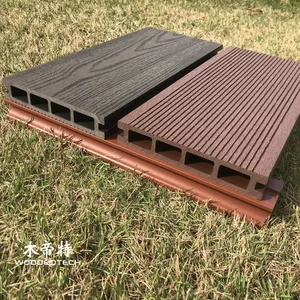
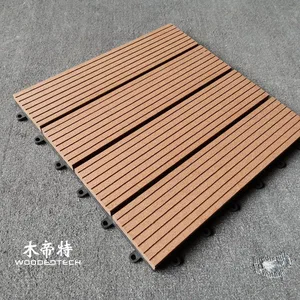
Plastic Wood Tiles: Industrial Applications, Benefits, and Market Trends 2026
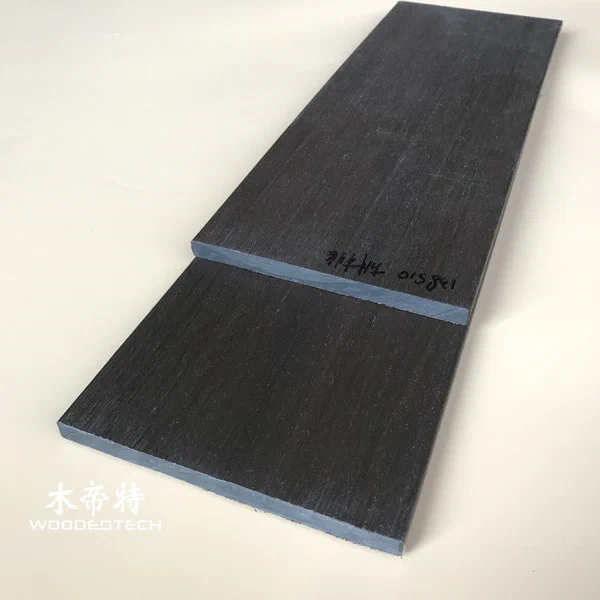
Plastic wood tiles are becoming a practical alternative to traditional timber and conventional outdoor flooring in residential, commercial, and industrial environments. Manufactured from wood-plastic composites (WPC) or recycled plastic materials, these modular tiles combine a natural wood appearance with moisture resistance, dimensional stability, and relatively low maintenance requirements. In 2026, growing demand for sustainable construction materials, outdoor renovation, and modular landscaping is creating new opportunities for manufacturers, distributors, and international buyers.
Industrial Applications of Plastic Wood Tiles
Plastic wood tiles are used across a wide range of outdoor and semi-outdoor environments where conventional timber may require frequent maintenance or become vulnerable to moisture. Their modular construction makes them particularly suitable for projects that need flexible installation, easy replacement, and consistent surface finishes.
Key applications include:
- Commercial buildings: Shopping centers, office terraces, hotel balconies, restaurants, and outdoor entertainment areas use plastic wood tiles to create attractive, durable walking surfaces.
- Residential developments: Gardens, patios, balconies, rooftop terraces, and courtyards benefit from modular outdoor flooring that can be installed without extensive structural modifications.
- Industrial facilities: Selected WPC tile systems are suitable for pedestrian walkways, employee recreation areas, and outdoor access spaces, provided their load capacity and chemical resistance meet project requirements.
- Public infrastructure: Parks, waterfront walkways, recreational facilities, and community landscaping projects increasingly consider recycled composite materials for long-term outdoor use.
- Hospitality and leisure: Swimming pool surrounds, resort terraces, spa facilities, and outdoor dining spaces create opportunities for slip-resistant and moisture-resistant plastic wood flooring.
Interlocking plastic wood tiles are particularly attractive for renovation projects because they can often be installed over suitable existing surfaces. However, substrate drainage, ventilation, expansion clearance, and load-bearing requirements must be assessed before installation.
Key Benefits Driving Market Adoption
The main commercial advantage of plastic wood tiles is their combination of wood-like aesthetics and polymer-based performance. Traditional timber can be affected by moisture, insects, UV exposure, and biological deterioration. Properly formulated composite tiles reduce several of these maintenance concerns.
Moisture resistance is particularly valuable in outdoor environments. Unlike untreated natural wood, WPC materials generally absorb less water and are less susceptible to rot. This makes them suitable for gardens, balconies, poolside areas, and other locations exposed to rain or humidity. Their actual performance depends on the formulation, surface treatment, installation design, and drainage conditions.
Low maintenance is another important selling point. Plastic wood tiles generally do not require routine wood staining or painting. Regular cleaning is usually sufficient to maintain their appearance, although surface wear, dirt accumulation, and environmental exposure still need to be considered.
Other advantages include:
- Modular installation: Interlocking structures simplify installation and individual tile replacement.
- Design flexibility: Different colors, wood-grain textures, dimensions, and surface patterns support varied architectural styles.
- Recycled material potential: Recycled plastics and recovered wood fibers can reduce dependence on virgin raw materials.
- Dimensional consistency: Industrial manufacturing provides more standardized dimensions than many natural timber products.
- Long-term maintenance savings: Reduced finishing and replacement requirements can improve lifecycle economics.
For industrial buyers, product specifications remain essential. Slip resistance, fire performance, UV stability, load capacity, temperature resistance, and applicable building certifications should be evaluated according to the intended application.
Global Market Trends in 2026
The wider wood-plastic composite industry continues to expand as construction companies and property owners seek alternatives to conventional outdoor building materials. Grand View Research estimates that the global WPC market will reach approximately USD 9.9 billion in 2026, with building and construction representing its largest application segment. Mordor Intelligence estimates the market at USD 9.63 billion in 2026 and forecasts an 8.64% CAGR through 2031. Although market estimates vary by research methodology and product coverage, both indicate sustained commercial demand.
Asia-Pacific is an important growth market, supported by urban development, expanding construction activity, infrastructure investment, and rising demand for outdoor living products. China remains a major manufacturing and supply-chain center, while India and Southeast Asian markets offer opportunities in residential construction, hospitality, and public landscaping. North America and Europe remain attractive markets for premium composite products, particularly those emphasizing durability, sustainable materials, and reduced maintenance.
Several product and technology trends are influencing purchasing decisions in 2026:
- Improved surface technology: Embossed wood-grain finishes, realistic textures, and improved color consistency help composite products compete with natural timber.
- Co-extrusion technology: Protective outer layers improve resistance to staining, moisture, fading, and surface wear, supporting demand for premium composite products.
- Sustainable manufacturing: Manufacturers are exploring higher recycled-content formulations, better feedstock sorting, and more efficient production processes.
- Modular outdoor systems: Interlocking tiles, coordinated decking, fencing, and wall cladding simplify project planning and installation.
- Performance-oriented development: Improved UV resistance, slip resistance, dimensional stability, and fire-retardant formulations are becoming important product development priorities.
These developments are also influencing related product categories, including composite decking, WPC wall cladding, fencing, pergolas, garden furniture, and landscape accessories.
Future Market Opportunities for Manufacturers and Exporters

The future opportunity extends beyond selling individual plastic wood tiles. International buyers increasingly seek coordinated outdoor building material solutions that can support complete residential, commercial, and landscaping projects.
One promising direction is integrated product development. Manufacturers that supply matching outdoor flooring, composite decking, privacy fencing, wall panels, pergolas, and decorative screens can provide greater purchasing convenience to contractors, distributors, and project developers. Offering coordinated colors, surface textures, and installation accessories can also strengthen customer relationships.
Another opportunity lies in commercial and public-sector projects. Hotels, resorts, shopping centers, recreational facilities, and landscape contractors often require materials that balance appearance, maintenance costs, and long-term performance. Suppliers that can demonstrate consistent quality, reliable production capacity, and relevant testing documentation will be better positioned to compete for these projects.
Sustainability will also influence international sourcing decisions. Recycled plastic wood products can appeal to buyers seeking circular construction materials, but environmental claims need credible evidence. Manufacturers should document recycled content, material traceability, product durability, and end-of-life considerations rather than relying on general eco-friendly marketing statements.
Private-label manufacturing and OEM services offer another route to market expansion. Importers and regional distributors may seek customized tile dimensions, surface patterns, colors, packaging, and branding. Manufacturers with flexible extrusion capabilities and established quality-control systems can use these services to differentiate themselves from suppliers competing primarily on price.
Challenges and Competitive Priorities
Despite favorable demand trends, plastic wood tiles face competition from ceramic tiles, natural timber, concrete pavers, and other outdoor flooring materials. Raw material price fluctuations, inconsistent recycled feedstock, transportation costs, and regional building regulations can also affect profitability.
Product quality is particularly important in international trade. Buyers should assess the ratio of wood fiber to polymer, manufacturing consistency, water absorption, thermal expansion, UV performance, and mechanical strength. Installation systems should also provide adequate drainage and ventilation to prevent water accumulation beneath the tiles.
Manufacturers should prioritize application-specific product specifications, independent testing, dependable delivery schedules, and clear technical documentation. Developing premium co-extruded products alongside cost-effective standard ranges can help suppliers serve different market segments without relying entirely on price competition.
The strongest opportunities in 2026 are likely to come from suppliers that combine competitive manufacturing costs with reliable product performance, sustainable material sourcing, and customized outdoor building solutions. As global construction and landscaping projects increasingly incorporate composite decking, WPC cladding, fencing, pergolas, and modular flooring, plastic wood tiles can become an important part of the broader outdoor building materials market.