Plastic Wood Raised Garden Beds: Durable Solutions for Commercial Landscaping
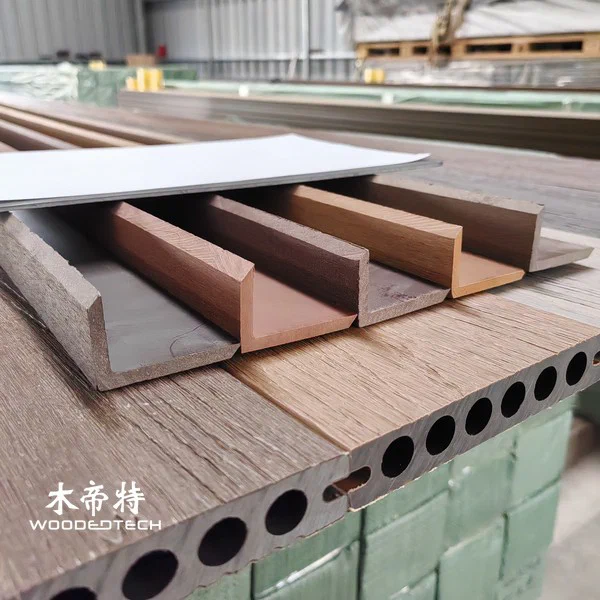
Plastic wood raised garden beds provide commercial landscapes with a durable, low-maintenance alternative to traditional timber planters. Made from wood plastic composite (WPC), these systems help architects and landscape designers create functional green spaces that resist moisture, decay, and frequent outdoor exposure.
Why WPC Raised Garden Beds Suit Commercial Projects
Commercial landscaping projects require materials that maintain appearance while reducing maintenance costs. Plastic wood raised garden beds are widely used in hotels, office campuses, public parks, residential developments, and rooftop gardens because they combine natural wood aesthetics with improved outdoor performance.
Unlike untreated timber, WPC materials are not easily affected by rot, insects, or water absorption. Their stable structure helps raised beds maintain shape over time, making them suitable for long-term landscape installations where replacement and repairs can disrupt site operations.
Design Considerations for Landscape Applications

Architects and designers should consider the project environment, planter dimensions, drainage requirements, and visual integration before selecting WPC raised garden beds. Large commercial landscapes often require customized sizes, colors, and finishes to match surrounding architecture and planting concepts.
Important factors include:
- Load-bearing requirements for soil volume and plant types
- Drainage design to prevent water accumulation
- UV resistance for exposed outdoor locations
- Surface texture for a natural wood appearance
- Compatibility with other WPC landscaping materials
WPC planters can be combined with composite decking, fencing, and outdoor furniture to create a consistent design language across a complete landscape area.
Material Selection Advice for Durable Results
When choosing plastic wood raised garden beds, project teams should evaluate material quality, manufacturing standards, and supplier capabilities. High-quality WPC products typically use a balanced wood fiber and polymer composition, providing strength, weather resistance, and stable performance through seasonal changes.
For commercial applications, designers should prioritize products with reliable color retention, low maintenance requirements, and proven outdoor durability. Working with an experienced WPC manufacturer can also provide options for custom profiles, finishes, and project-specific solutions.
Supporting Sustainable Outdoor Environments
WPC raised garden beds support modern landscape goals by reducing reliance on natural timber and extending product service life. Their recycled material content and minimal maintenance needs make them a practical choice for developers seeking durable and environmentally responsible outdoor solutions.
With proper planning and material selection, plastic wood raised garden beds can enhance commercial landscapes while delivering long-term value, consistent appearance, and easier maintenance management.
FAQ
Q: Why are WPC raised garden beds suitable for commercial landscaping? A: WPC raised garden beds resist moisture, decay, and insects while requiring less maintenance than traditional wood planters, making them suitable for large outdoor projects.
Q: What should architects consider when selecting WPC planter materials? A: Architects should evaluate durability, drainage, UV resistance, design compatibility, and supplier customization capabilities before choosing materials.
Q: Can WPC raised garden beds match other outdoor WPC products? A: Yes, they can be coordinated with WPC decking, fencing, and outdoor structures to create a unified landscape design.