Plastic Wood Planter Solutions: Durable, Sustainable Options for Commercial Landscaping
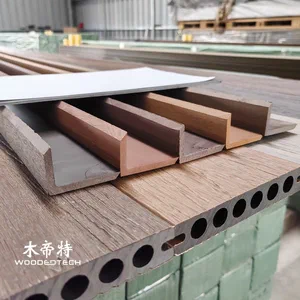
Plastic wood planters made from wood-plastic composite (WPC) offer a durable, low-maintenance solution for commercial landscaping projects. Combining wood fibers with thermoplastic materials, they provide a natural wood appearance with improved resistance to moisture, decay, and everyday outdoor exposure. For landscape architects, contractors, hotel operators, and property developers, WPC planters help create attractive green spaces while reducing routine maintenance requirements.
Where WPC Planters Work Best
In commercial landscapes, plastic wood planters are suitable for hotel entrances, office courtyards, shopping centers, restaurants, and pedestrian plazas. Their clean lines and wood-grain finishes complement contemporary architecture, while modular planter boxes can define walkways, separate seating areas, and introduce greenery into hardscaped environments. For large developments, standardized sizes and coordinated colors make it easier to maintain a consistent landscape design across multiple locations.

Residential gardens, balconies, and terraces also benefit from WPC planter solutions. Lightweight modular designs, where supported by the selected construction, can make planting arrangements easier to reposition than masonry alternatives. For compact balconies, narrow rectangular planters maximize growing space without occupying excessive floor area. In private gardens, larger planter boxes can accommodate ornamental grasses, shrubs, and seasonal flowers, creating visual layers alongside WPC decking, fences, and pergolas.
Hotels, resorts, and swimming pool areas require materials that perform well under frequent use and regular cleaning. WPC planters can frame poolside lounges, outdoor dining areas, and resort pathways while maintaining a coordinated appearance with composite decking. However, planters should not obstruct drainage, emergency routes, or accessible circulation. Specify suitable drainage openings and internal liners where appropriate, and confirm that the selected product can withstand local UV exposure, temperature changes, and moisture conditions.
Selecting Materials and Designing for Long-Term Performance
Not all WPC planters offer the same performance. Material formulation, profile thickness, reinforcement, surface treatment, and manufacturing quality affect their durability. For busy public facilities, parks, transport hubs, and institutional landscapes, choose robust construction with stable joints and adequate support for the combined weight of the planter, growing medium, retained water, and mature plants.
Sustainability is another important consideration. Some WPC products incorporate recycled plastics or reclaimed wood fibers, helping reduce reliance on virgin raw materials. Buyers should request verified recycled-content information and relevant environmental documentation rather than assuming every composite product is recyclable or environmentally superior. Service life, repairability, and end-of-life disposal should also form part of the purchasing assessment.
For outdoor installation, allow for thermal expansion according to the manufacturer’s specifications and provide adequate drainage to prevent standing water. Use suitable internal containers or liners to separate wet soil from structural components when required. In windy locations, select stable bases or engineered anchoring systems, especially for tall planters. For parks and other public facilities, rounded edges, secure connections, and accessible maintenance arrangements can further improve safety and usability.
Custom WPC Planters for Commercial Projects
Commercial buyers should evaluate dimensions, colors, surface textures, load requirements, installation methods, and order quantities before selecting a supplier. A composite planter manufacturer with customization capabilities can develop coordinated planter systems for entrances, rooftop gardens, pedestrian zones, and large landscape developments. Request product samples, technical specifications, UV and weathering data, warranty terms, and installation guidance to confirm suitability for the project environment.
FAQ
Q: Are plastic wood planters suitable for commercial outdoor use?
A: Yes. Properly specified WPC planters are suitable for many commercial landscapes, including hotels, office courtyards, parks, and outdoor dining areas.
Q: Do WPC planters require regular maintenance?
A: They generally require less maintenance than untreated timber, although periodic cleaning, drainage checks, and inspections of joints and supports remain important.
Q: Can WPC planters be customized for large landscaping projects?
A: Many manufacturers offer custom dimensions, colors, finishes, and modular configurations to meet project-specific design and installation requirements.