
plastic wood panels for walls create stylish exterior decoration with weather resistant features
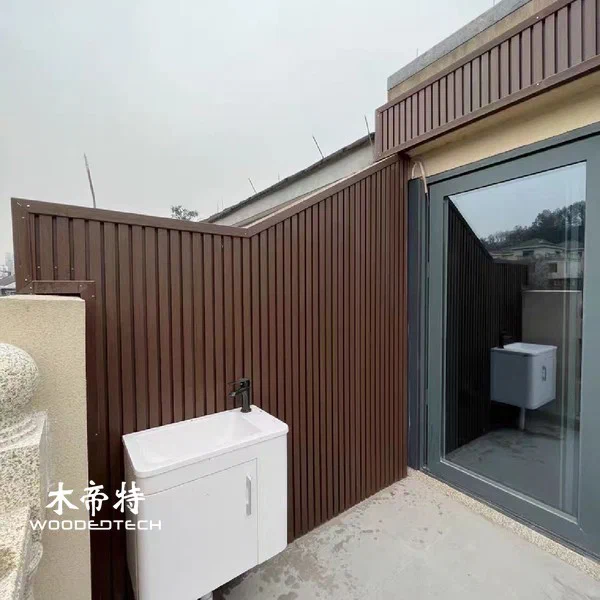
Plastic wood panels for walls give exterior spaces a clean, modern look while standing up to sun, rain, and everyday wear. For designers and builders, they are a practical way to add texture, depth, and long-term value to outdoor projects.
Modern style starts with the surface
Today’s outdoor design leans toward simple lines, layered textures, and calm color palettes. Plastic wood wall panels fit that direction well because they can mimic timber grain, brushed finishes, fluted patterns, or 3D effects without the upkeep of natural wood. On facades, garden walls, entry screens, and terrace backdrops, these panels create a refined look that feels current rather than decorative for its own sake.
Color choice matters just as much as profile. Warm teak, walnut, charcoal, and soft gray remain popular because they pair easily with stone, metal, glass, and greenery. A neutral wall panel background also helps highlight other exterior elements, such as composite decking, pergolas, and landscape planters.
Weather resistance makes design practical
A stylish exterior has to last through changing weather. That is where plastic wood panels for walls stand out: they are designed for moisture resistance, UV stability, and color retention, making them suitable for coastal sites, humid climates, and high-sun areas. Unlike paint-treated timber, they help reduce cracking, rotting, and frequent repainting.
Their low-maintenance nature is especially valuable for commercial courtyards, private villas, and hospitality projects. Builders can use them on full walls or as accent cladding, knowing the finish will stay neat with basic cleaning only.

Profiles and modular formats shape the space
Modern WPC products are no longer limited to flat boards. Designers now use fluted wall panels, slatted profiles, and co-extrusion surfaces to create shadow lines and visual rhythm. These details make a wall feel deeper and more architectural, even in a small outdoor area.
Modular designs also improve installation efficiency. Interlocking systems, matching corner trims, and coordinated panel sizes help create a cleaner result while reducing on-site cutting. The same design language can be extended across exterior wall panels, fences, pergolas, gazebos, and landscape features for a consistent project identity.
A coordinated outdoor system looks more professional
The strongest trend in outdoor design is coordination. When wall panels match composite decking, privacy fences, pergola beams, and garden screens, the whole site feels intentional. A layered approach using the same color family and texture across multiple products can make a modest patio look well planned and premium.
For landscape projects, plastic wood panels also work well with planter boxes, seating walls, and decorative partitions. This helps designers move beyond single-product use and build outdoor environments that are functional, durable, and visually unified.
FAQ
Q: Where are plastic wood wall panels most commonly used outdoors? A: They are often used on villa facades, boundary walls, balcony backgrounds, garden partitions, and commercial exterior decoration. They work especially well where weather resistance and a clean modern look are important.
Q: What design trends are most popular for WPC exterior panels? A: Fluted textures, wood-grain surfaces, dark neutral colors, and modular installation systems are leading trends. These styles create depth and pair well with decking, pergolas, and landscape elements.
Q: Can wall panels be matched with other outdoor WPC products? A: Yes, many projects use the same color and surface style across decking, fencing, louvers, and wall cladding. This creates a cohesive outdoor design and simplifies material selection.
Related Articles
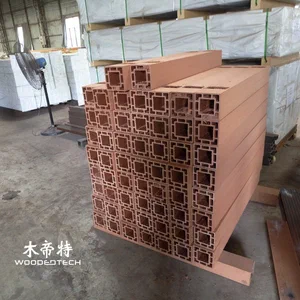
Related Products
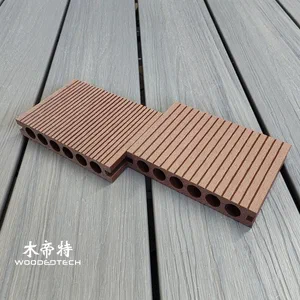 D14025-5 First Generation Large And Small Groove Redwood Color WPC Panel Material With Popular Outdoor Appearance
 B14011 WPC Paneling Sheets Feature Double Flat Surfaces with Heat Pressed Wood Grain Designs for Outdoor Styles
 GQ13523wpc board wall paneling with antique wood color narrow grille design delivers elegant outdoor wall appearance