Plastic Wood Panels Exterior for Durable Outdoor Walls Cladding and Building Applications
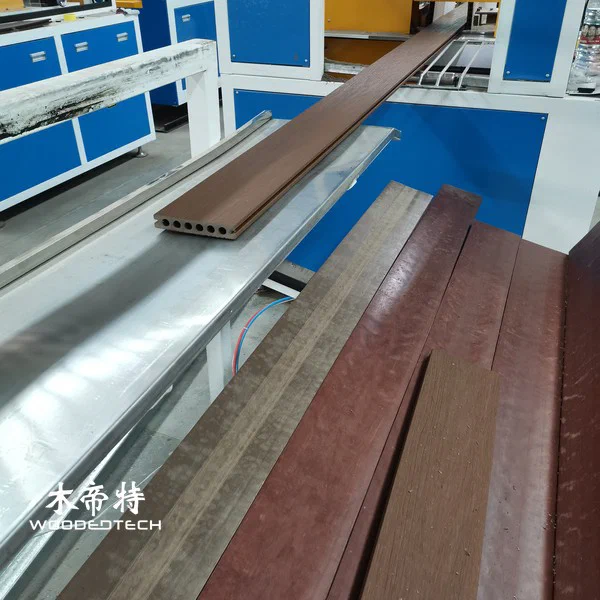
The durability and performance of outdoor wood plastic composite (WPC) products are influenced by several key materials: wood powder, HDPE or PVC polymers, additives, pigments, and modifiers. Each of these components plays a vital role in enhancing the overall quality and longevity of products like plastic wood panels for exterior applications.
Key Material Components
Wood powder acts as a primary filler in WPC formulations. It not only contributes to the product’s natural appearance but also helps in providing strength and rigidity. The quality of the wood powder is essential; it must be finely processed to ensure even distribution and to prevent issues such as uneven swelling or warping when exposed to moisture.
HDPE (High-Density Polyethylene) and PVC (Polyvinyl Chloride) are the two main polymers used in WPC manufacturing. HDPE is known for its excellent resistance to impact and chemicals, while PVC offers superior weather resistance and UV stability. The choice between these polymers can influence the product’s performance in outdoor settings, particularly regarding its ability to resist fading and degradation from environmental factors.

Additives such as stabilizers and lubricants are essential for enhancing processing and improving the final product’s physical properties. For instance, UV stabilizers can significantly extend the life of WPC by protecting it from sun damage, while antifungal agents prevent mold growth, ensuring that the panels remain clean and aesthetically pleasing.
Pigments not only provide color but can also enhance UV resistance. The right choice of pigment can help maintain the original appearance of the panels over time, reducing the need for frequent replacements or refinishing.
Modifiers, including impact modifiers and coupling agents, can enhance the mechanical properties of WPC. These materials improve the adhesion between the wood fibers and the polymer, resulting in a more robust composite that can withstand the rigors of outdoor use.
Quality Control and Inspection Methods
In a WPC production facility, rigorous quality control measures are paramount to ensure that the raw materials used meet industry standards. Key inspection methods include:
Material Testing: This involves checking the quality of wood powder for moisture content and particle size distribution. Polymers are analyzed for purity and compliance with specifications.
Mechanical Testing: Conducting tensile strength and impact resistance tests on finished products helps verify that they meet performance standards.
Weathering Tests: Simulated aging tests, such as accelerated weathering, assess how materials perform under UV exposure and moisture, mimicking years of outdoor use.
Visual Inspections: Regular inspections for color consistency, surface defects, and overall finish quality are essential to ensure aesthetic standards are met.
Quality standards, such as those set by ASTM (American Society for Testing and Materials), guide the testing and evaluation process, ensuring that the final products are suitable for outdoor applications and can withstand various environmental challenges.
FAQ
Q: What is the main advantage of using HDPE over PVC in WPC products?
A: HDPE offers better impact resistance and is less prone to warping, making it ideal for high-stress outdoor applications.
Q: How often should WPC panels be inspected for quality?
A: Regular inspections should be conducted throughout the production process, as well as periodically after installation, to ensure ongoing performance.
Q: What role do additives play in the durability of WPC products?
A: Additives enhance the physical properties of WPC, such as UV resistance and mold prevention, which are crucial for durability in outdoor environments.
Related Articles
 WPC Plywood for Outdoor Building Panels Furniture Components and Custom Architectural Applications
 WPC Deck Flooring for Durable Outdoor Patios Gardens Balconies and Landscape Applications
 WPC Decking Weight Information Helps Customers Choose Suitable Outdoor Flooring Materials
 WPC Flooring Detail Shows Advanced Structure And Quality Design For Outdoor Applications
Related Products
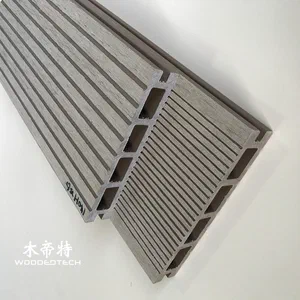 D14025-3 Composite Lumber for Decks Features a Classic Double Sided Groove Design with Excellent Value for Outdoor Projects
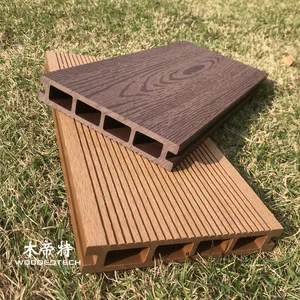 D14025-4 Composite for Decking Provides Stable Performance and Reliable Quality as a Popular Choice for Outdoor Projects
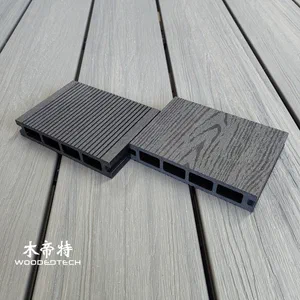 D14025-4 WPC Decking Boards Feature a Flat Wood Grain Surface with Black Ebony Heartwood Ring Grain for Outdoor Applications