
Plastic Wood Lumber: Industrial Applications, Benefits, and Performance Standards
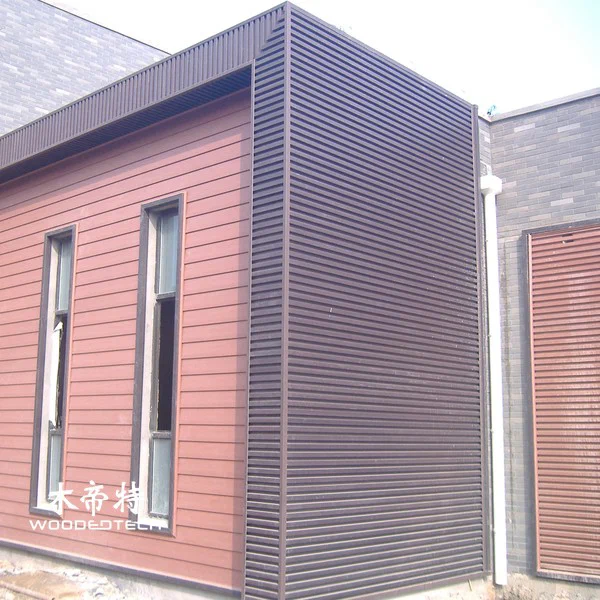
Plastic wood lumber is widely used in industrial, commercial, and outdoor construction projects where durability, weather resistance, and reduced maintenance are important. Made from wood fibers or wood flour combined with thermoplastics, wood plastic composite (WPC) provides a practical alternative to conventional timber for decking, landscaping structures, exterior components, and public infrastructure.
What Is Plastic Wood Lumber?
Plastic wood lumber, commonly known as wood plastic composite lumber, combines recycled or virgin plastic with wood-based materials to create profiles suitable for outdoor and industrial applications. Depending on the formulation, manufacturers may use polyethylene (PE), polypropylene (PP), or polyvinyl chloride (PVC), together with wood flour, stabilizers, pigments, and processing additives.
Unlike traditional timber, WPC does not require routine painting, staining, or preservative treatment. Its resistance to moisture, insects, and common outdoor exposure makes it suitable for projects where maintaining natural wood would require considerable time and expense.

Plastic wood lumber is available in solid, hollow, and customized extruded profiles. Solid boards are generally preferred for applications requiring greater rigidity or frequent fastening, while hollow profiles can reduce material weight and provide an economical option for suitable structural designs.
Industrial and Commercial Applications
Industrial applications of plastic wood lumber extend beyond conventional residential decking. It can be used in outdoor platforms, pedestrian access areas, equipment surrounds, storage facility walkways, and landscaping structures. In these environments, material selection should account for expected loads, exposure conditions, installation methods, and maintenance requirements.
For commercial landscapes, WPC decking and landscaping components offer a consistent appearance across large outdoor spaces. Shopping centers, office complexes, and business parks can use composite boards for walkways, seating platforms, garden boundaries, and decorative screens. Commercial composite park benches and outdoor seating can also help create comfortable public spaces without the frequent surface treatment required by conventional timber.
Hotels and resorts can incorporate outdoor WPC products into poolside terraces, garden pathways, restaurant patios, balconies, and leisure areas. For these projects, slip resistance, surface temperature, drainage, and resistance to cleaning chemicals should be evaluated before specifying the product. Around swimming pools, textured or grooved decking with appropriate slip-resistance test results is generally preferable to smooth surfaces.
Residential gardens provide another practical application. Plastic wood decking boards can form patios, garden platforms, steps, pergola flooring, and raised seating areas. WPC fencing, planters, and decorative grilles can complement the decking while creating a coordinated outdoor design. For balconies, lightweight composite deck tiles or appropriately supported decking systems can improve the appearance of existing floors. However, installers must verify the balcony’s permitted loading capacity, drainage arrangements, and waterproofing details.
Public facilities such as parks, waterfront promenades, recreational centers, schools, and pedestrian areas can also benefit from WPC products. Suitable applications include benches, boundary fencing, landscape edging, outdoor flooring, and decorative wall panels. High-traffic locations require particular attention to abrasion resistance, fastening security, and replacement access.
Performance Benefits of Plastic Wood Lumber
One of the main advantages of plastic wood lumber is its resistance to moisture-related deterioration. Traditional timber may absorb water, swell, crack, or decay when repeatedly exposed to rain and humidity. Properly formulated WPC generally offers better moisture resistance, making it suitable for outdoor environments and areas exposed to occasional water contact.
Dimensional stability is another important consideration. Although WPC expands and contracts with temperature changes, properly engineered products can maintain reliable performance when installed with the manufacturer’s specified expansion gaps and fixing methods.
Other practical benefits include:
- Reduced routine maintenance compared with untreated timber.
- Resistance to termites and common wood-boring insects.
- Consistent colors, textures, and profile dimensions.
- Availability of recycled plastic and wood-based raw materials.
- Flexible extrusion options for customized industrial profiles.
- No need for regular wood preservatives or exterior staining.
These advantages depend on material composition, manufacturing quality, product design, and environmental exposure. WPC should not automatically be considered maintenance-free or suitable for every structural application.
Performance Standards and Quality Requirements
Selecting plastic wood lumber for industrial and commercial projects requires more than comparing appearance and price. Buyers should review technical documentation and request independent test reports covering the properties relevant to the intended application.
Important performance indicators include:
- Flexural strength and modulus: Evaluate the board’s ability to resist bending under applied loads.
- Water absorption and thickness swelling: Assess dimensional changes after moisture exposure.
- Slip resistance: Important for swimming pool decks, public walkways, and outdoor stairs.
- Weathering and UV resistance: Evaluate color stability and surface durability under sunlight exposure.
- Impact resistance: Relevant to public spaces and commercial environments with frequent use.
- Thermal expansion: Establish suitable installation gaps for seasonal temperature changes.
- Fire performance: Check the applicable fire classification and project-specific building requirements.
Depending on the target market, relevant testing may include ASTM D7032 for performance evaluation of wood-plastic composite decking and guardrail systems, ASTM D7031 for evaluating wood-plastic composite products, and ASTM D6109 for flexural properties of unreinforced and reinforced plastic lumber and related products. Local building codes and project specifications should also be reviewed.
Manufacturers should provide traceable test reports, material specifications, installation instructions, and quality-control documentation. For commercial procurement, consistency between production batches is particularly important because differences in formulation or extrusion conditions can affect color, dimensions, and mechanical performance.
Choosing the Right Plastic Wood Lumber for Each Project
The correct product specification depends on its intended use rather than appearance alone. For residential gardens and balconies, buyers may prioritize surface texture, color options, drainage, and ease of installation. Hotels, swimming pool areas, and commercial landscapes generally require closer evaluation of slip resistance, UV stability, wear resistance, and cleaning requirements.
For public facilities and industrial platforms, load capacity, support spacing, fastening systems, and long-term dimensional stability deserve greater attention. Solid profiles may be more appropriate for certain demanding applications, but the final decision should be based on verified engineering data rather than profile type alone.
Installation also plays a major role in service life. WPC decking needs an appropriate substructure, sufficient ventilation, correct joist spacing, and adequate expansion gaps. Installers should avoid trapping standing water beneath boards and should follow the manufacturer’s recommendations for cutting, drilling, fastening, and edge finishing.
For international buyers, working with an experienced wood plastic composite manufacturer can simplify product selection and technical coordination. A reliable supplier should be able to provide customized extrusion profiles, consistent production quality, application-specific recommendations, and documentation for the intended export market. These capabilities help project owners, distributors, and contractors select plastic wood lumber that meets practical performance requirements while supporting long-term outdoor use.
Related Articles
 Composite Wood Solutions: Industrial Applications, Benefits, and Market Trends
 Plastic Wood Block: Industrial Applications, Benefits, and Material Selection
 WPC MPC: Industrial Applications, Performance Standards, and Key Benefits
 Plastic Lumber: Industrial Applications, Benefits, and Market Outlook
Related Products
 GD13823-3 Composite Boards for Decking Are Available in Multiple Stock Colors with 3 Meter Lengths and Single Piece Delivery
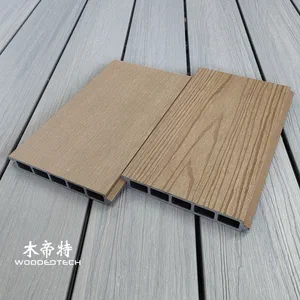 3DGL18024 WPC Longboard Fence Features Premium Co Extruded 3D Embossed Teak Wood Grain Texture with Realistic Natural Wood Fibers
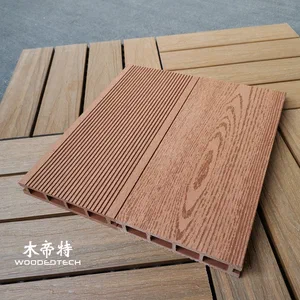 The Classic D14025-4 Red Wood WPC Wood Sheet Features a Timeless 2D Flat Wood Grain Design That Remains Popular After Twenty Years