
Plastic wood like cladding delivers natural wood appearance with excellent weather resistance for exterior walls
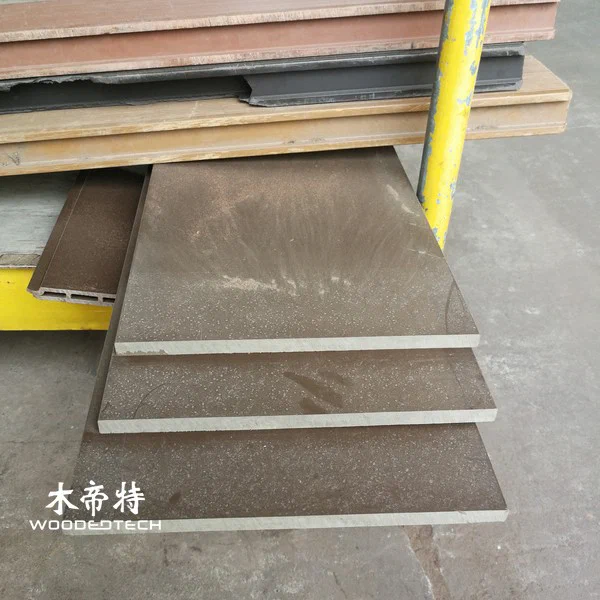
Plastic wood cladding gives exterior walls the warmth of natural timber with the weather resistance and low upkeep that modern projects need. For facades, boundary walls, and feature elevations, it sits between traditional wood and fully synthetic or metal options, offering a practical balance of appearance, durability, and cost.
How outdoor WPC compares with natural wood
Natural wood delivers authentic grain, color depth, and a premium feel, but it is sensitive to moisture, UV exposure, insects, and dimensional movement. On exterior walls, that means regular sealing, repainting, or oiling, plus a higher risk of cracking, swelling, and fading over time.
Outdoor WPC, by contrast, is designed for stable performance in rain, sun, and humidity. It does not rot like timber, and it keeps a more consistent look with far less maintenance. The tradeoff is that it cannot fully replicate the character of real wood, and very dark or glossy finishes can look less natural if the product quality is poor.
WPC versus traditional timber and aluminum
Traditional timber and treated wood remain popular where a completely natural material is important, but lifecycle costs are often higher than the purchase price suggests. Labor for periodic maintenance, replacement of damaged boards, and coating renewal can add up quickly, especially on large façades or commercial buildings.
Aluminum is another strong exterior choice because it is lightweight, durable, and highly resistant to corrosion. It works well for modern architecture, but it does not provide the warm, textured appearance many buyers want for residential, hospitality, or mixed-use projects. WPC fills that gap: it gives a wood-like finish while avoiding the cold visual effect of metal.
Maintenance and lifecycle cost
WPC exterior cladding usually needs only basic washing to remove dust and surface dirt. There is no need for staining, varnishing, or anti-termite treatment, which reduces labor and downtime. This makes it attractive for contractors and owners who want predictable maintenance schedules and fewer long-term service calls.
Lifecycle cost is where WPC often becomes competitive. While natural wood may be cheaper at the initial purchase stage, the total cost over 5 to 15 years can be much higher once coatings, repairs, and replacement are included. Aluminum can last longer, but higher material and fabrication costs may not suit every budget. For many projects, WPC offers the best cost-to-performance ratio.

Where WPC exterior cladding performs best
WPC is a strong choice for:
- exterior feature walls
- villa façades
- commercial wall cladding
- balcony and terrace walls
- perimeter and landscape structures
It is especially useful in climates with strong sun, frequent rain, or high humidity, where traditional wood tends to deteriorate faster.
FAQ
Q: Is outdoor WPC better than natural wood for exterior walls? A: For durability and maintenance, yes. Natural wood has a more authentic look, but WPC is usually the better long-term choice for weather exposure.
Q: Does WPC cladding need painting or sealing? A: No. Most outdoor WPC products are finished for exterior use and only need routine cleaning.
Q: Is WPC more cost-effective than aluminum? A: Often yes for façade applications where a wood-look appearance is important. Aluminum can last longer, but WPC usually offers a lower overall cost for warm, decorative wall finishes.
Related Articles

Related Products
 B17010 Plastic Wood Look Siding Provides Decorative Thin Boards for Modern Outdoor Wall Applications
 3D17618wood look plastic cladding with three dimensional embossed texture offers unique exterior wall decoration effects
 Q14520.5 wpc cladding outdoor with single layer structure provides a cost effective solution for exterior wall decoration