
Plastic Wood For Outdoor Furniture
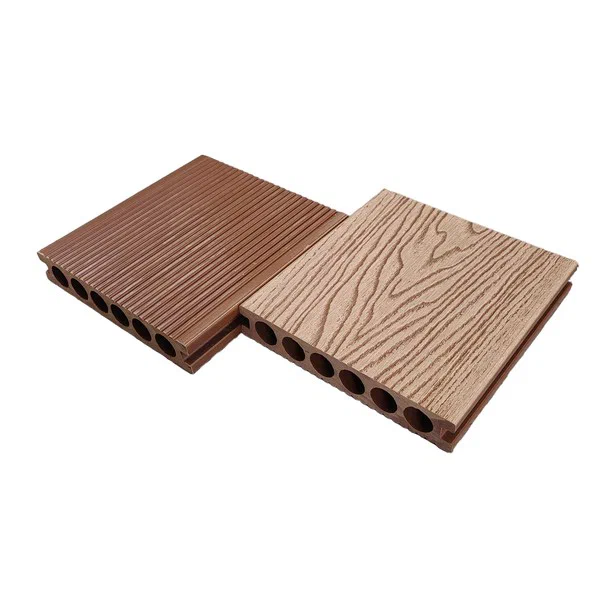
Outdoor wood plastic composite (WPC) products, such as decking and furniture, are gaining popularity due to their durability and low maintenance. The quality of these products is heavily influenced by the materials used in their production, including wood powder, HDPE or PVC polymers, additives, pigments, and modifiers. Understanding how these components affect performance can help in achieving high-quality outdoor furniture.
Key Material Components
Wood powder serves as the primary filler in WPC, providing the natural look and feel of wood. It contributes to the overall strength of the composite while influencing its weight and texture. The type of wood powder used can affect the composite’s resistance to moisture and decay, which is critical for outdoor applications.
The choice of polymer, whether HDPE or PVC, plays a vital role in determining the composite’s durability and weather resistance. HDPE is known for its superior impact resistance and UV stability, making it a popular choice for outdoor products. PVC, on the other hand, offers excellent chemical resistance but may be less resilient under extreme temperatures.
Additives are incorporated to enhance the performance of the composite. These can include UV stabilizers, which prevent degradation from sunlight exposure, and anti-fungal agents that help resist mold and mildew. The appropriate selection of additives can significantly extend the lifespan of the product.
Pigments are used to achieve desired colors and aesthetics. However, they also impact UV resistance; for example, darker pigments may absorb more heat, potentially leading to thermal expansion issues. Careful consideration of pigment choice is essential for maintaining color stability over time.
Modifiers are added to improve specific attributes of the composite, such as flexibility or impact resistance. High-quality modifiers can enhance the overall performance and longevity of WPC products, making them suitable for outdoor conditions.
Inspection and Quality Standards
Quality control processes are essential in ensuring that the final WPC products meet industry standards. Regular inspections should include:
- Raw Material Testing: Verify the quality of wood powder, polymers, and additives before production. This can include moisture content analysis, particle size distribution, and chemical composition tests.
- Extrusion Monitoring: During the extrusion process, ensure that the temperature and pressure settings are optimal. This helps in achieving uniformity and prevents defects such as warping or surface imperfections.
- Mechanical Testing: Conduct tensile, flexural, and impact tests on finished products to assess their strength and durability. These tests provide insights into how the WPC will perform under real-world conditions.
- Weathering Tests: Simulate outdoor conditions through accelerated weathering tests, evaluating how well the composite withstands UV exposure, moisture, and temperature fluctuations.

Establishing quality standards based on international benchmarks ensures that the WPC products are safe and reliable for outdoor use. Compliance with standards such as ASTM and ISO can enhance the credibility of the products in the global market.
Conclusion
The performance and durability of outdoor WPC furniture are directly linked to the quality of materials used in its production. By carefully selecting wood powder, polymers, additives, pigments, and modifiers, manufacturers can create robust products that stand the test of time. Implementing rigorous inspection methods and adhering to established quality standards further ensures that these composites meet consumer expectations for outdoor applications.
Related Articles
Related Products
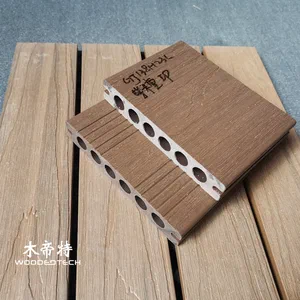 GD13823-3 Composite Boards for Decking Are Available in Multiple Stock Colors with 3 Meter Lengths and Single Piece Delivery
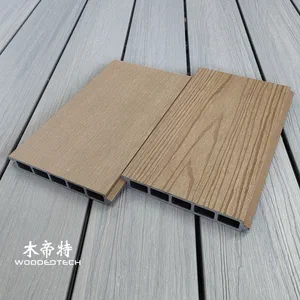 3DGL18024 WPC Longboard Fence Features Premium Co Extruded 3D Embossed Teak Wood Grain Texture with Realistic Natural Wood Fibers
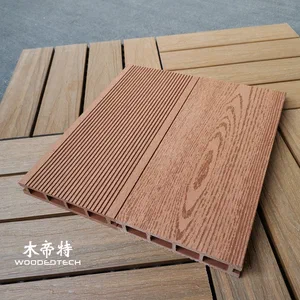 The Classic D14025-4 Red Wood WPC Wood Sheet Features a Timeless 2D Flat Wood Grain Design That Remains Popular After Twenty Years