
plastic wood flooring price depends on material quality design options and project requirements
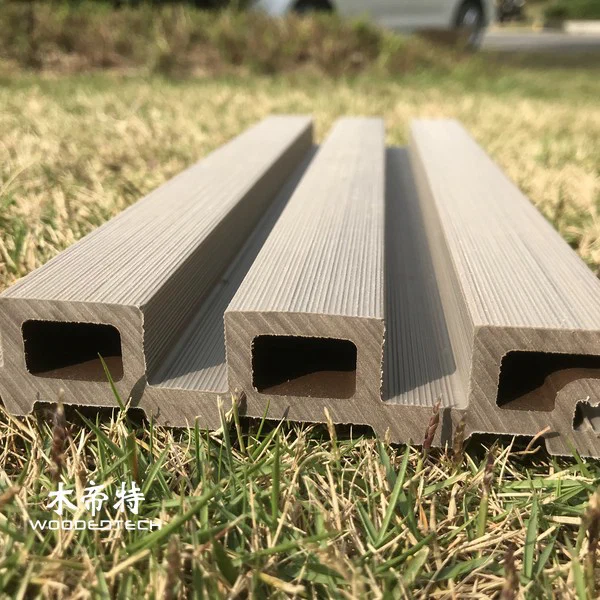
Plastic wood flooring price is shaped by more than square meters alone. Material quality, surface design, thickness, installation method, and project conditions all influence the final budget, especially when buyers compare outdoor WPC with natural wood, traditional timber, aluminum, and other exterior finishes.
What drives plastic wood flooring price
Outdoor WPC sits in a practical middle ground between appearance and performance. A basic hollow board may cost less upfront, while capped or co-extrusion products with better wear resistance, stain protection, and color stability cost more but usually last longer in exposed spaces.
Key pricing factors include:
- Raw material ratio and resin quality
- Solid or hollow structure
- Surface texture, embossing, and color options
- UV resistance and moisture protection
- Board thickness, width, and length
- Project volume, trimming details, and subframe requirements
For buyers, the real question is not only the purchase price per square meter, but the total installed cost over years of use.
WPC compared with natural wood and timber
Natural wood and traditional timber offer a warm, authentic look, but they need regular sealing, staining, and inspection for cracking, rot, and insect damage. In humid or coastal environments, maintenance becomes a major cost center, and replacement cycles can be short if the species is not carefully selected.
WPC avoids many of those issues. It resists moisture better, does not splinter like timber, and keeps a more stable appearance with less seasonal movement. The tradeoff is that it cannot fully replicate the depth and grain variation of premium hardwood, and lower-grade WPC products may fade or feel less rigid over time.
WPC versus aluminum and other exterior materials
Aluminum is valued for strength, dimensional stability, and low maintenance, but it often feels colder underfoot and usually costs more once fabrication, coatings, and structural support are included. For decking, balconies, and garden flooring, WPC is often the more comfortable and visually natural option.
Compared with ceramic tile, concrete, or stone, WPC is faster to install and easier to replace in sections. It is also lighter and more forgiving for terraces and roof decks. Stone and tile may offer longer surface life, but they can require heavier framing, more labor, and higher repair costs if cracking or water ingress occurs.

Lifecycle cost and maintenance
WPC generally wins on lifecycle cost when the project values predictable upkeep. Routine cleaning with water and mild detergent is usually enough. There is no need for regular painting, oiling, or anti-termite treatment, which reduces labor and downtime.
A sensible lifecycle comparison looks like this:
- Natural wood: lower entry cost in some cases, higher maintenance and replacement cost
- Traditional timber: moderate upfront cost, ongoing protection work
- Aluminum: high initial cost, very low maintenance
- WPC: mid-range upfront cost, low maintenance, strong long-term value
For commercial projects, the lower service burden of WPC often offsets a slightly higher purchase price.
Choosing the right product for the project
The best option depends on exposure, traffic, and design expectations. For residential patios, pool decks, and garden walkways, durable WPC with a textured surface is usually a smart balance. For premium architectural façades or high-load zones, buyers may prefer thicker profiles, capped surfaces, or mixed-material systems.
If the project is budget-sensitive, compare not only material price but also fixing system, wastage rate, and expected replacement cycle. That is where plastic wood flooring price becomes a true project decision, not just a catalog figure.
FAQ
Q: Is WPC cheaper than natural wood for outdoor use? A: Usually not at the start, but it is often cheaper over time because it needs far less maintenance and replacement.
Q: Does aluminum last longer than WPC? A: Aluminum can last longer structurally, but WPC is often preferred for walking comfort, wood-like appearance, and easier installation.
Q: What affects plastic wood flooring price the most? A: Material quality, capped or uncapped surface, board thickness, and project installation requirements have the biggest impact.
Related Articles
Related Products
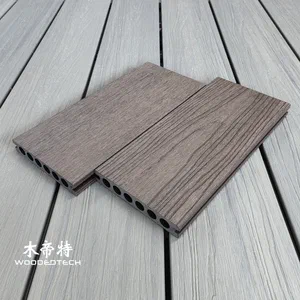 3DGD13823 Second Generation 3D Embossed Rosewood Composite Balcony Decking Delivers Ultra Realistic Wood Grain Texture and a Premium Natural Wood Experience
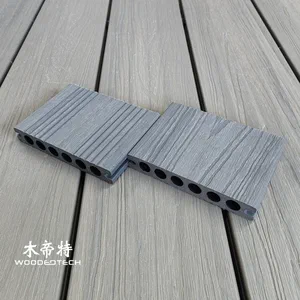 GD13823-3 Light Grey Premium Co Extrusion WPC Composite Decking Offers LG Texture and Excellent UV Resistance for Outdoor Spaces
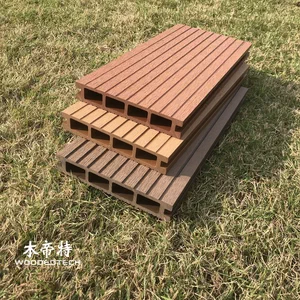 D14025-3 Square Hole Double Sided Grooved WPC Board Factory Producing Outdoor Decking Boards With Good Slip Resistance