Plastic Wood Flooring Price Analysis for Industrial Buyers in 2026
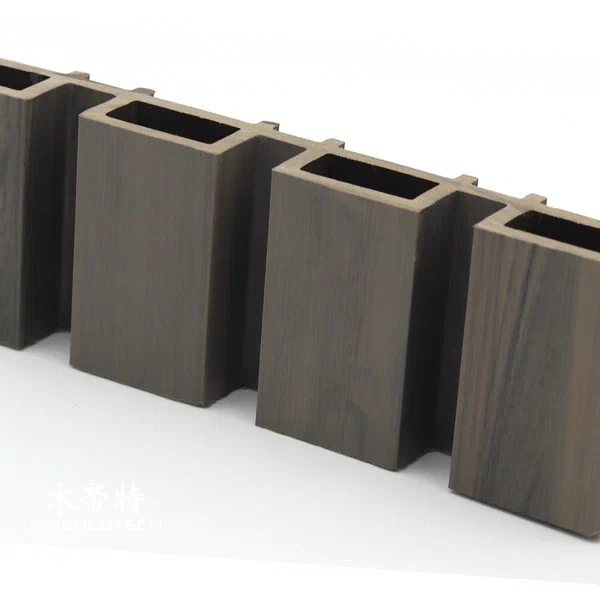
Plastic wood flooring price depends on material quality, production technology, order volume, and market destination. For industrial buyers in 2026, understanding cost drivers and supplier trends is essential when sourcing outdoor flooring solutions for commercial, residential, and landscape projects.
Key Factors Affecting Plastic Wood Flooring Price in 2026
The global market for plastic wood flooring, also known as wood plastic composite (WPC) flooring, is becoming more competitive as buyers demand durable, low-maintenance alternatives to traditional timber. Prices are influenced by raw material costs, including recycled plastics, wood fibers, additives, and surface treatments. Co-extrusion technology, embossed finishes, UV protection, and anti-slip features can increase manufacturing costs while improving long-term performance.
For industrial purchasing, typical price differences come from:
- Material composition and density
- Hollow or solid board structure
- Surface texture and color options
- Production volume and customization requirements
- Packaging, logistics, and regional import costs
Large-scale buyers usually receive lower unit costs through direct factory sourcing, especially when ordering customized profiles or full container quantities.
Global Market Trends and Supply Opportunities
Demand for plastic wood flooring continues to grow as construction companies, landscape contractors, and property developers seek sustainable outdoor materials. Markets in North America, Europe, the Middle East, and Asia-Pacific are increasing adoption of composite solutions for decks, balconies, pool areas, parks, and public spaces.
Manufacturers are investing in improved formulations that provide higher weather resistance, better color stability, and longer service life. Recycled materials and sustainable composite building products are becoming important purchasing factors as green construction standards expand.
For buyers evaluating suppliers, key opportunities include:
- Sourcing factory-direct plastic wood decking boards for competitive pricing
- Developing private label products for regional markets
- Selecting suppliers with advanced extrusion and quality control capabilities
- Expanding product ranges into related outdoor applications such as fencing, pergolas, and cladding
Price Outlook and Purchasing Strategy for Industrial Buyers
In 2026, plastic wood flooring prices are expected to remain competitive due to increasing manufacturing capacity and technological improvements. However, premium products with co-extrusion layers, realistic wood grain finishes, and enhanced durability will continue to command higher prices.
Industrial buyers should evaluate total value rather than only the initial purchase price. Lower-cost products may require more maintenance or have shorter service lives, while higher-quality composite flooring can reduce replacement costs over long-term projects.

Working with an experienced WPC manufacturer can help buyers optimize specifications, reduce unnecessary features, and secure stable supply agreements for large projects. Early supplier evaluation, sample testing, and clear technical requirements are important steps for international procurement.
FAQ
Q: What factors determine plastic wood flooring price? A: Material quality, board structure, surface technology, order quantity, and customization requirements are the main factors affecting price.
Q: Is plastic wood flooring cheaper than natural wood? A: Plastic wood flooring may have a higher initial cost than some timber options, but its lower maintenance requirements can provide better long-term value.
Q: What should industrial buyers check when choosing a supplier? A: Buyers should review manufacturing capacity, product testing, export experience, quality standards, and customization capabilities.
Related Articles
 What Factors Affect Plastic Wood Flooring Price In Global Outdoor Markets
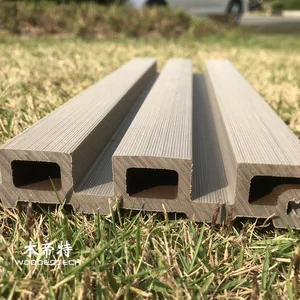 plastic wood flooring price depends on material quality design options and project requirements
 plastic wood flooring cost depends on material structure surface design and project requirements
 Composite Deck Picture Frame Solutions for Commercial Projects
Related Products
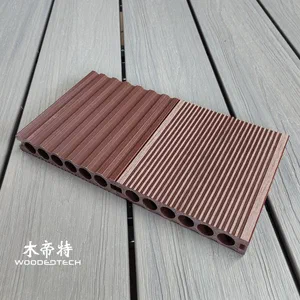 140-25 Double Wave Round Hole E Red Sandalwood Color Wood Polymer Decking Board With Affordable Price For Budget Engineering Projects
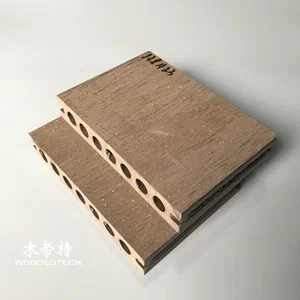 D13823 Round Hole Double Sided Flat WPC Bamboo Decking Boards With Strong Quality And Various Wood Grain Surface Treatments
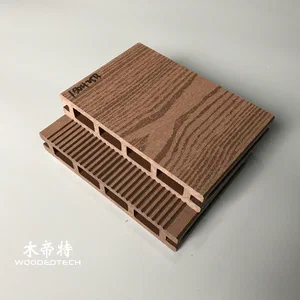 D15025-2 Classic Waterproof Insect Resistant Corrosion Resistant And Termite Resistant Composite Decking Types With Twenty Years Of Sales Experience