
plastic wood flooring cost depends on material structure surface design and project requirements

Outdoor WPC, or plastic wood flooring, sits between natural wood and fully synthetic exterior materials. Its cost depends less on the name alone and more on board structure, surface finish, and how demanding the project is in terms of load, exposure, and installation detail.
What Drives Plastic Wood Flooring Cost
The biggest price differences usually come from the core construction. Hollow boards are lighter and cheaper, while solid or co-extrusion boards cost more because they use more material and deliver better impact resistance, moisture protection, and long-term stability.
Surface design also matters. Smooth boards are typically more economical than deep wood grain, embossed, or capped surfaces. More advanced finishes improve appearance and weather resistance, but they raise manufacturing cost and usually reduce the need for refinishing later.
Project requirements shape the final budget just as much as the product itself. A simple residential terrace, a poolside deck, a commercial walkway, and a beachfront installation all require different thicknesses, fastening systems, slip resistance, and warranty expectations. The more demanding the site, the more the material package rises.
Outdoor WPC vs Natural Wood and Traditional Timber
Compared with natural wood, outdoor WPC is more predictable. It does not need staining, sealing, or regular sanding, and it resists rot, insects, and moisture better. That lowers maintenance cost over time, even if the upfront price is often higher than basic timber.
Natural wood still has strengths. It offers a warmer look, lower initial material cost in some grades, and easier field repair. But it needs ongoing care, especially in wet or sunny climates. When maintenance labor, coatings, and replacement boards are included, the lifecycle cost often exceeds WPC.

Traditional timber performs well when sourced and detailed correctly, yet it is more sensitive to movement, cracking, and decay. For projects where appearance must stay consistent and downtime is expensive, WPC usually has the stronger cost profile over a 10- to 20-year horizon.
Compared with Aluminum and Other Exterior Materials
Aluminum is durable, lightweight, and stable, and it works well in modern architectural systems. For decking, though, bare aluminum can feel harsher underfoot, transfer more heat, and require a different visual language than wood-look surfaces. It is often more expensive as a finished outdoor walking surface unless used in a highly engineered system.
Concrete, stone, and ceramic alternatives can outperform WPC in hardness and fire resistance, but they add weight, installation complexity, and often higher labor cost. Composite and WPC products usually win when the brief calls for a wood appearance, moderate structural load, and lower maintenance.
Lifecycle Cost Considerations
The real cost question is not only purchase price, but total ownership. WPC typically reduces repainting, sealing, and replacement frequency. That makes it attractive for hotels, villas, commercial terraces, and public landscapes where long-term upkeep matters more than the initial invoice.
Buyers should compare:
- board thickness and density
- capped vs uncapped surface
- UV and stain resistance
- hidden fastening system or clip cost
- substructure and labor requirements
- expected service life in local climate
For most exterior projects, the cheapest board is not the lowest-cost solution. The better choice is the one that matches the site condition, performance target, and maintenance budget.
FAQ
Q: Is outdoor WPC more expensive than wood? A: Usually at purchase, yes. Over time, WPC often costs less because it avoids regular sealing, repainting, and frequent replacement.
Q: What affects plastic wood flooring price the most? A: Core structure, surface treatment, board thickness, and project-specific installation requirements have the largest impact on cost.
Q: Is WPC suitable for commercial outdoor use? A: Yes, especially where moisture resistance and low maintenance are priorities. For heavy traffic or harsh exposure, choose a higher-grade capped or solid board.
Related Articles
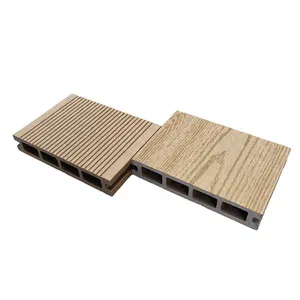 Outdoor WPC Decking for Beautiful Durable and Low Maintenance Outdoor Living
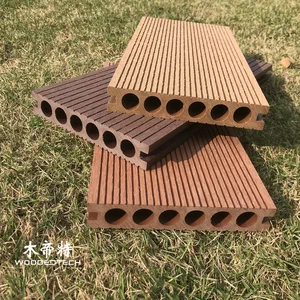 Outdoor Comfort Wood Plastic Deck Veneer with Enhanced Foot Feel
 composite decking quality levels help customers compare different materials and performance standards
 wpc decking malaysia offers durable outdoor flooring products for gardens balconies and public spaces
Related Products
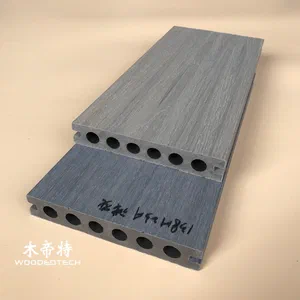 GD13823 Composite Decking Material Features Six Small Round Holes to Reduce Weight While Maintaining Structural Strength
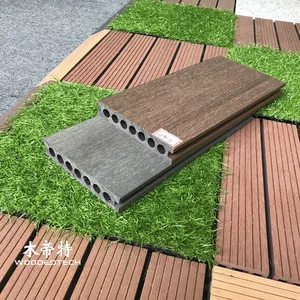 GD13823-2 Wood Versus Composite Decking Features Seven Round Holes with Wood Grain and Brushed Textures on Opposite Sides
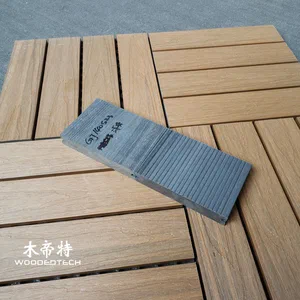 GD14023S Composite Deck Materials Feature a Solid Structure and Side Grooves for Better Adaptability in Extremely Cold Climates