
plastic wood decking expansion knowledge helps installers understand temperature changes and installation requirements

Plastic wood decking expansion is a key installation topic because WPC boards move with temperature changes. If installers allow the right expansion gaps and follow the correct fixing method, the deck or wall cladding will stay stable, neat, and quiet for years.
Understanding expansion before installation
WPC, or wood plastic composite, expands and contracts more than many first-time installers expect. Heat, direct sun, and installation time all affect board length and width, so the material should never be fitted tight against walls, posts, or adjoining boards.

For plastic wood decking, check the manufacturer’s recommended gap before starting. As a practical rule, leave enough room at board ends, at perimeter edges, and around fixed objects so the profile can move without buckling. The same principle applies to wall cladding: a small movement gap protects the surface finish and keeps the lines straight.
Subframe preparation and layout
A strong subframe is the base of a good WPC installation. Use level, dry, and well-ventilated joists or battens, with spacing matched to board thickness and span requirements. Uneven framing causes bouncing, visible joints, and long-term fastener stress.
Before fixing, confirm the structure is square and drained properly. For outdoor decking, keep the frame slightly sloped where water needs to run off. For wall cladding, install battens flat and aligned, and allow air circulation behind the panels to reduce trapped moisture and heat buildup.
Fixing methods for decking and wall cladding
Use hidden clips, starter clips, or approved screws depending on the board type. Do not overtighten fasteners, since WPC needs a little freedom to expand and contract. If the system uses concealed clips, keep each board seated fully in the clip channel and recheck alignment after every few rows.
For wall cladding, fix the first course level and work upward with consistent spacing. Around corners, openings, and trims, leave the required clearance and use matching profiles or finishing accessories to cover exposed edges cleanly. A straight first row saves time and prevents visible waves across the full surface.
Cutting, finishing, and maintenance
Cut WPC boards with fine-tooth saw blades for clean edges and less chipping. Measure twice, especially near ends where expansion allowance matters most. After cutting, remove dust from grooves and surfaces so clips and trims fit properly.
Maintenance is simple but important. Wash the surface with water and a mild cleaner, then remove leaves, sand, and other debris that can hold moisture. Avoid harsh solvents and high-pressure spraying at close range. Check fasteners, gaps, and edge trims seasonally, especially after hot weather or the first winter cycle.
FAQ
Q: How much expansion gap should be left for WPC decking? A: Follow the product datasheet first, because different profiles expand differently. In general, leave visible clearance at board ends, sides, and fixed points.
Q: Can WPC decking and wall cladding be installed in hot weather? A: Yes, but temperature should be considered during layout. Installers should use the correct gap size and avoid locking boards too tightly when the material is warm.
Q: What is the most common installation mistake with plastic wood decking? A: Tight fixing is the biggest problem. If boards are overfastened or installed without enough movement space, they may warp, peak, or produce joint stress.
Related Articles
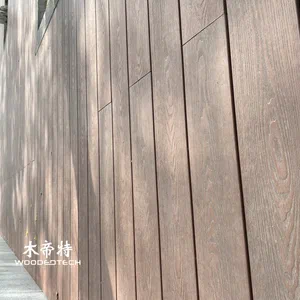 How to put plastic decking down with simple installation methods for outdoor applications
 wpc decking blog shares professional knowledge about outdoor composite flooring installation maintenance and trends
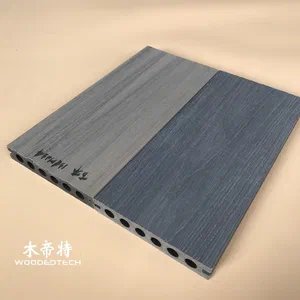 Joists for composite decking provide stable support systems for outdoor deck installation
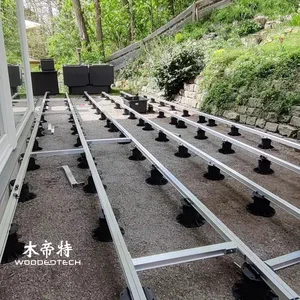 Replacing composite deck boards becomes easier with reliable outdoor WPC decking solutions
Related Products
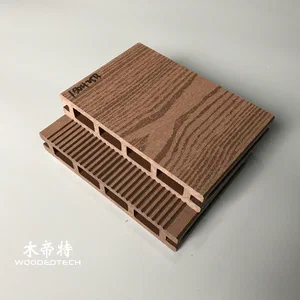 D15025-2 Classic Waterproof Insect Resistant Corrosion Resistant And Termite Resistant Composite Decking Types With Twenty Years Of Sales Experience
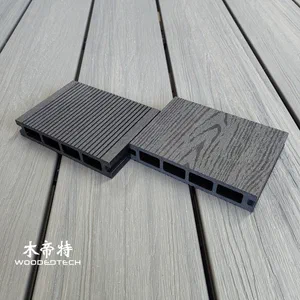 D14025-4 WPC Decking Boards Feature a Flat Wood Grain Surface with Black Ebony Heartwood Ring Grain for Outdoor Applications
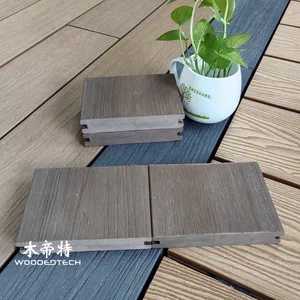 GD14025S Capped WPC Provides a Solid Board Structure for Better Load Bearing Performance and Reduced Space for Insects Inside the Board