
Plastic Wood Deck Boards Provide Durable Alternatives to Traditional Outdoor Timber Flooring

Plastic wood deck boards are an innovative solution for outdoor flooring that merges the aesthetic appeal of traditional wood with the durability and low maintenance of synthetic materials. By understanding how the composition of wood plastic composites (WPC) affects their performance, manufacturers can ensure high-quality products that withstand various environmental conditions.
Key Components of WPC
The primary ingredients in WPC include wood powder, HDPE or PVC polymers, additives, pigments, and modifiers. Each component plays a crucial role in determining the durability, weather resistance, and overall performance of the final product.
Wood Powder: This natural filler provides structural integrity and a wood-like appearance. The quality of the wood powder influences the composite’s strength and its ability to resist warping or cracking.
HDPE/PVC Polymers: These polymers serve as the matrix that binds the wood powder. HDPE is known for its toughness and resistance to moisture, while PVC offers excellent weatherability and UV resistance. The choice of polymer significantly impacts the deck board’s longevity and performance in harsh outdoor conditions.
Additives: Various additives are incorporated to enhance properties such as fire resistance, anti-fungal characteristics, and flexibility. These chemical agents contribute to the board’s durability and safety, ensuring it meets industry standards.
Pigments: Color stability is vital in outdoor applications. High-quality pigments ensure that the deck boards maintain their color and appearance over time, even when exposed to sunlight and extreme weather.
Modifiers: These are used to adjust specific properties of the composite, such as impact resistance and overall durability. Selecting the right modifiers can significantly improve the end product’s performance.
Factory Inspection Methods
To ensure the highest quality of WPC products, several factory inspection methods should be employed:
Raw Material Testing: Each batch of wood powder and polymers should be tested for consistency in particle size, moisture content, and purity. This ensures that the raw materials meet specific quality standards before production begins.
Mechanical Testing: After the WPC is produced, samples should undergo mechanical testing, including tensile strength, impact resistance, and flexural strength tests. These assessments help verify that the final product can withstand daily use and environmental stresses.
Environmental Testing: Samples of the final product should be subjected to accelerated weathering tests to evaluate their resistance to UV exposure, moisture, and extreme temperatures. This testing simulates years of outdoor exposure in a short time frame.

Visual Inspection: Regular visual checks during production can identify surface defects, color inconsistencies, and other quality issues. This is crucial for maintaining a high standard for aesthetic appeal.
Adherence to Standards: Compliance with international standards such as ASTM and ISO ensures that the WPC products meet required durability and safety benchmarks. Regular audits and certifications should be part of the quality control process.
FAQ
Q: What are the advantages of using WPC over traditional wood?
A: WPC offers greater durability, lower maintenance, and enhanced resistance to moisture and UV rays compared to traditional wood.
Q: How does weather affect the performance of WPC products?
A: WPC products are designed to resist warping, cracking, and fading when exposed to harsh weather conditions, making them ideal for outdoor use.
Q: Are WPC products environmentally friendly?
A: Many WPC products incorporate recycled materials, and they do not require the same level of chemical treatment as traditional wood, making them a more sustainable option.
Related Articles
 Composite Deck Dimensions Help Buyers Choose Suitable Board Sizes for Different Outdoor Flooring Projects
 HDPE Composite Lumber Offers Strong and Durable Material Solutions for Outdoor Construction Projects
 WPC Deck Provides Natural Wood Appearance with Long Lasting Outdoor Performance
 Wood Polymer Lumber Provides a Durable Alternative Material for Outdoor Construction Applications
Related Products
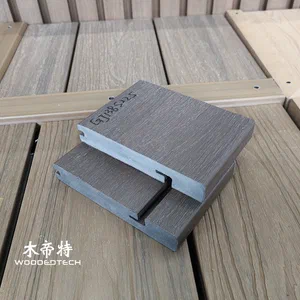 GD13822.5S Fully Capped Solid Starter Wood Polymer Composite Decking Provides a Stable Starting Structure for the First Decking Board
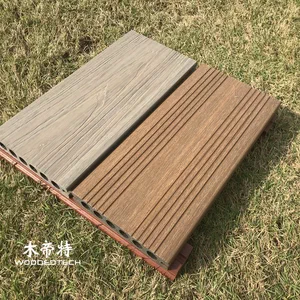 GD13823-3 Second Generation Co Extruded Wood Plastic Composites With High Quality Stable Performance For Premium Outdoor Applications
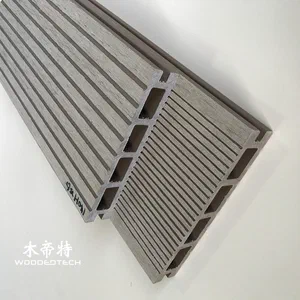 D14025-3 Composite Lumber for Decks Features a Classic Double Sided Groove Design with Excellent Value for Outdoor Projects