
Plastic Wood Composite Sheets Provide Versatile Materials For Outdoor Construction And Decoration

Designing high-performance outdoor wood plastic composite (WPC) formulas involves a careful balance of materials and additives to achieve durability, aesthetics, and cost-effectiveness. This is essential for applications such as decking, wall cladding, fencing, pergolas, and various landscape products.
Key Components of WPC Formulation
The primary ingredients of WPC include wood fibers, plastics, and various additives. Adjusting the ratios of these components is crucial:
Wood Fiber Content: This typically ranges from 30% to 70% of the total composition. Higher wood fiber content can enhance the material’s natural appearance and reduce costs, but may compromise durability and moisture resistance. Finding the right balance is essential for achieving the desired mechanical properties and longevity.
Plastic Ratio: The type of plastic used—commonly polyethylene or polypropylene—affects the composite’s performance. Plastics provide flexibility and moisture resistance, essential for outdoor applications. A higher plastic content can lead to better weather resistance but may reduce the natural look of wood.
Additives for Enhanced Performance
Additives play a significant role in optimizing WPC properties:
UV Stabilizers: These are crucial for protecting against color fading and degradation from sunlight exposure.
Fire Retardants: Important for safety, especially in residential and commercial areas.
Antimicrobial Agents: These can reduce mold and mildew growth, enhancing the product’s lifespan and appearance.
Colorants and Fillers: These are used to achieve specific aesthetic qualities and improve the overall finish.

Cost Control Strategies
Balancing performance with cost is vital in WPC formulation. Sourcing high-quality, yet economical, raw materials can significantly influence overall production costs. Additionally, optimizing the manufacturing process, such as reducing waste and improving energy efficiency during extrusion, can lead to substantial savings. Collaborating with suppliers to secure bulk materials at a lower price can also help maintain competitive pricing without sacrificing quality.
Product Lifespan Considerations
The durability of WPC products largely depends on the formulation and manufacturing process. Ensuring proper mixing and extrusion techniques can enhance the uniformity and strength of the composite. Additionally, thorough testing for moisture resistance, UV stability, and mechanical properties will help predict product lifespan. Regular maintenance guidelines should also be provided to end-users to ensure the longevity of WPC products in outdoor environments.
FAQ
Q: What is the ideal wood fiber content for outdoor WPC applications?
A: The optimal wood fiber content typically ranges from 30% to 70%, balancing aesthetics with durability.
Q: How do additives improve WPC performance?
A: Additives such as UV stabilizers and fire retardants enhance weather resistance, safety, and overall product longevity.
Q: What factors influence the cost of WPC products?
A: Key factors include the choice of raw materials, manufacturing processes, and sourcing strategies.
Related Articles
 HDPE Composite Lumber Offers Strong and Durable Material Solutions for Outdoor Construction Projects
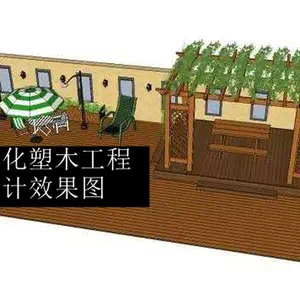 core decking wpc provides a stable outdoor flooring solution with reliable composite performance
 WPC Exterior Wall Cladding Price Depends on Material Quality Design and Project Requirements
 plastic wood decking expansion knowledge helps installers understand temperature changes and installation requirements
Related Products
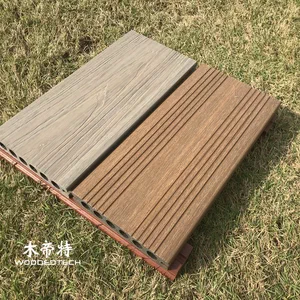 GD13823-3 Second Generation Co Extruded Wood Plastic Composites With High Quality Stable Performance For Premium Outdoor Applications
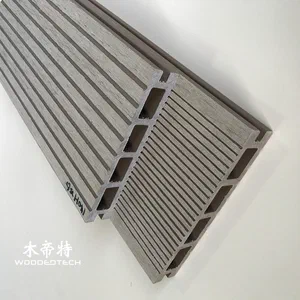 D14025-3 Composite Lumber for Decks Features a Classic Double Sided Groove Design with Excellent Value for Outdoor Projects
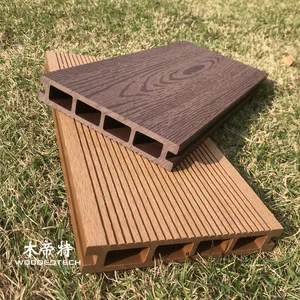 D14025-4 Composite for Decking Provides Stable Performance and Reliable Quality as a Popular Choice for Outdoor Projects