
Plastic Wood Composite: Industrial Applications, Benefits, and Quality Standards
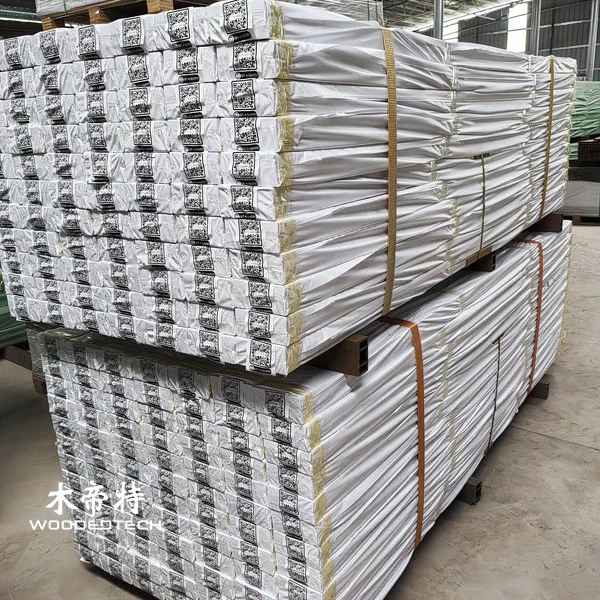
Plastic wood composite (WPC) is a versatile building material made by combining wood fibres or wood flour with thermoplastics, creating products suitable for demanding industrial and outdoor applications. It offers a practical alternative to traditional timber by reducing wood consumption, incorporating recycled materials, and providing long-term durability with minimal maintenance. For construction companies, distributors, architects, and project developers, WPC combines functional performance with more responsible material use.
What Is Plastic Wood Composite?
Wood plastic composite is manufactured by blending wood-based materials with polymers, commonly polyethylene (PE), polypropylene (PP), or polyvinyl chloride (PVC). Depending on the formulation, manufacturers may also incorporate stabilizers, pigments, coupling agents, and other additives to improve strength, weather resistance, and surface performance.
The resulting material can be extruded or moulded into different shapes and profiles, making it suitable for a wide range of applications. Unlike conventional timber, WPC can be manufactured with consistent dimensions, textures, and colours, helping manufacturers meet specific project requirements.
Common product categories include:
- Outdoor decking boards and terrace flooring
- Exterior wall panels and facade cladding
- Garden fencing and privacy screens
- Pergolas, gazebos, and outdoor structures
- Railings, handrails, and decorative louvers
- Outdoor benches, planters, and public furniture
Its adaptability makes WPC particularly useful for commercial landscaping, residential construction, hospitality developments, public spaces, and infrastructure projects.
Industrial Applications of WPC Materials
WPC has become increasingly popular in construction because it combines the natural appearance of wood with the processing flexibility of plastic. Outdoor decking is one of its most established applications. WPC decking boards provide a wood-like surface for balconies, patios, pool areas, gardens, and commercial terraces. Their resistance to moisture and everyday wear makes them suitable for locations where traditional timber requires frequent treatment.
Exterior cladding is another important application. WPC wall panels and facade profiles offer an alternative to natural wood siding, allowing architects to achieve consistent finishes across residential and commercial buildings. Available surface treatments include brushed, embossed, grooved, and wood-grain textures.
In landscaping and public infrastructure, WPC is used to manufacture benches, fencing, pergolas, garden partitions, and decorative screens. These products are particularly useful in parks, resorts, residential communities, and recreational facilities where exposure to changing weather conditions can accelerate the deterioration of conventional materials.

Industrial buyers can also work with manufacturers to develop customized extrusion profiles. This allows products to be adapted to specific dimensions, installation systems, load requirements, and architectural designs.
Environmental Benefits of Outdoor WPC
One of the main reasons WPC is considered an environmentally friendly alternative to conventional timber products is its ability to incorporate recycled raw materials. Depending on the manufacturing process, recycled plastic can replace part or all of the virgin polymer content. Recovered wood fibres, sawdust, and wood-processing residues can also be used as raw materials.
This approach creates value from materials that might otherwise enter landfills or require additional disposal. By using recycled polymers and wood waste, manufacturers can reduce demand for virgin resources and support more efficient material consumption.
WPC also helps reduce pressure on natural forests. Since wood flour and fibres can be obtained from sawmill by-products and recycled wood, manufacturers do not need to rely exclusively on newly harvested timber. This is particularly relevant for large-scale decking, fencing, and exterior cladding projects where conventional wood consumption can be substantial.
Durability is another important environmental consideration. Outdoor WPC products are generally designed to resist moisture, decay, splintering, and insect damage. Although performance varies according to formulation and product quality, well-manufactured WPC can maintain its appearance and functionality for many years. Longer service life means fewer replacement materials, less construction waste, and potentially lower resource consumption over the entire product lifecycle.
Low-maintenance requirements provide additional benefits. Unlike many traditional timber products, WPC usually does not require regular painting, staining, or preservative treatments. Routine cleaning with water and a suitable cleaning solution is generally sufficient. Reducing the need for chemical coatings and repeated maintenance also helps limit material consumption and maintenance-related waste.
However, sustainability depends on more than recycled content alone. Buyers should consider the source of raw materials, manufacturing energy consumption, product lifespan, recyclability, and end-of-life disposal options. WPC is not automatically biodegradable, and mixed wood-polymer materials can be difficult to recycle without suitable processing facilities.
Key Performance Benefits for Commercial Buyers
For B2B purchasers, product performance is just as important as environmental credentials. Quality WPC products offer several advantages over untreated or conventionally treated timber.
- Moisture resistance: Suitable formulations help reduce water absorption, swelling, and deterioration in outdoor environments.
- Dimensional stability: Controlled manufacturing processes support consistent board dimensions and reduce material variation.
- Weather resistance: UV stabilizers and suitable additives help minimize fading, surface degradation, and weather-related damage.
- Reduced maintenance: No routine painting or wood-preservative treatment is generally required.
- Design flexibility: Different colours, profiles, textures, and surface finishes support varied architectural requirements.
- Installation efficiency: Standardized profiles and compatible fixing systems can simplify installation and project planning.
For particularly demanding applications, capped or co-extruded WPC products offer an additional protective outer layer. This surface can improve resistance to staining, moisture penetration, and everyday wear, depending on the product specification.
Quality Standards and Material Selection
Selecting reliable WPC materials requires evaluating both manufacturing quality and suitability for the intended application. A professional supplier should provide clear technical specifications covering raw material composition, density, dimensions, mechanical properties, water absorption, and weathering performance.
Relevant testing and compliance requirements may include:
- ASTM D7032: Performance evaluation of wood-plastic composite decking and guardrail systems.
- EN 15534: European standard covering wood-plastics composites and products made from them.
- EN 13501-1: Classification of construction products and building elements according to fire performance.
- ISO 9001: Quality management systems for consistent manufacturing and quality control.
- ISO 14001: Environmental management systems supporting responsible manufacturing practices.
Not every standard applies to every WPC product. Buyers should confirm the relevant testing requirements based on the product category, installation environment, and destination market. Fire performance, slip resistance, structural loading, and UV resistance may require separate assessments.
Manufacturing consistency is equally important. Reliable suppliers should maintain controlled extrusion temperatures, accurate material ratios, stable production processes, and routine inspection procedures. Independent laboratory reports and batch-level quality records provide additional confidence when sourcing materials for large commercial projects.
Choosing a Reliable WPC Manufacturing Partner
For importers, wholesalers, contractors, and building material distributors, choosing the right WPC supplier involves more than comparing unit prices. Raw material traceability, production capacity, customization options, packaging standards, and export experience all influence the long-term value of a sourcing partnership.
Before placing a bulk order, buyers should request physical samples, technical datasheets, installation instructions, and relevant test reports. It is also worth checking whether the supplier can provide customized dimensions, colour matching, OEM services, and consistent production across repeat orders.
Plastic wood composite offers a practical combination of recycled material utilization, reduced timber consumption, durability, and low-maintenance performance. When supported by responsible manufacturing and appropriate quality testing, WPC provides a valuable material option for modern construction, landscaping, and outdoor infrastructure projects.
Related Articles
 Best WPC Decking Provides High Quality Outdoor Flooring Solutions for Global Markets
 Wood Plastic Deck Boards Combine Natural Appearance with Durable Outdoor Performance
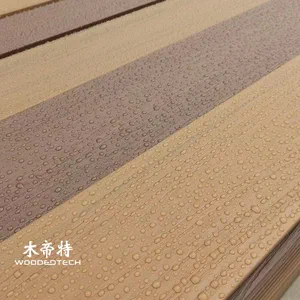 Wood Based Plastic: Industrial Applications, Benefits, and Market Trends
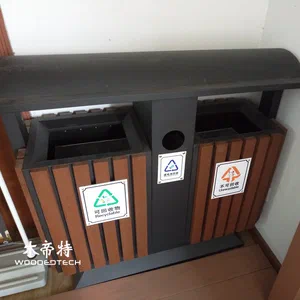 wpc wood plastic composites: Industrial Applications and Trends
Related Products
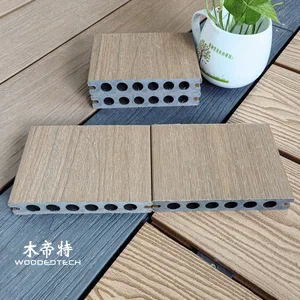 GD13823 Double Sided Flat Surface Co Extruded WPC Decking Features a Popular Width and Thickness with Round Hollow Structure
 GD13823-3 Composite Boards for Decking Are Available in Multiple Stock Colors with 3 Meter Lengths and Single Piece Delivery
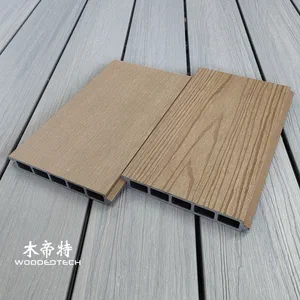 3DGL18024 WPC Longboard Fence Features Premium Co Extruded 3D Embossed Teak Wood Grain Texture with Realistic Natural Wood Fibers