
Plastic Wood Colors: Industrial Applications, Selection Criteria, and Trends
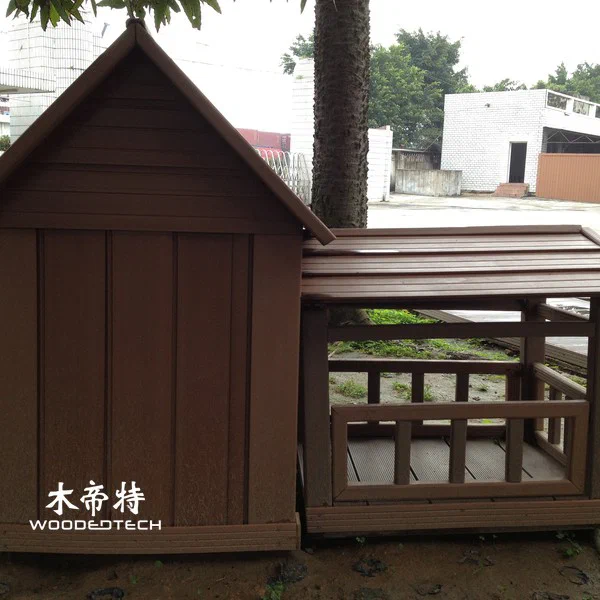
Plastic wood colors play an important role in the appearance, functionality, and market appeal of modern outdoor products. For industrial applications, selecting the right color involves more than matching a preferred shade; it requires considering environmental conditions, surface textures, architectural styles, product applications, and long-term color stability. From composite decking and wall panels to fences, pergolas, gazebos, and landscape products, thoughtful color design helps create attractive and consistent outdoor spaces.
Understanding Plastic Wood Colors in Industrial Applications
Plastic wood, commonly known as wood plastic composite (WPC), combines wood fibers or wood flour with thermoplastic materials and functional additives. Its color can be developed during manufacturing, allowing manufacturers to offer consistent shades across different product categories.
Unlike traditional timber, which often requires staining or painting to achieve a particular appearance, colored WPC products can maintain their intended finish through the material’s production process. This makes them suitable for commercial landscaping, residential developments, hospitality projects, public spaces, and outdoor construction.
Common industrial color options include:
- Natural oak and light wood tones for warm, understated designs.
- Teak and walnut shades for premium architectural applications.
- Dark brown and coffee tones for contemporary outdoor flooring.
- Gray and charcoal for minimalist commercial environments.
- Black and deep earth colors for modern fences, screens, and exterior features.
Color consistency is particularly important for large projects involving multiple products. Decking boards, wall panels, fencing systems, and pergola components should complement one another rather than create an inconsistent visual effect.
How to Select the Right Color for Different Products
Color selection should reflect the product’s intended application, surrounding environment, and maintenance requirements.
For composite decking, natural wood tones remain popular because they create a welcoming appearance around gardens, swimming pools, terraces, and outdoor dining areas. Light gray and beige are suitable for contemporary residential developments, while darker brown shades can provide a more substantial architectural appearance.
For exterior wall panels and WPC cladding, designers increasingly combine neutral colors with realistic wood-grain finishes. Vertical slats in walnut or teak can introduce warmth to building facades, while charcoal and gray panels create a clean contrast with glass, metal, and concrete.
Composite fencing requires a balance between privacy, visual appeal, and environmental compatibility. Dark gray, brown, and black are frequently considered for modern boundary designs. Lighter wood-effect colors work well in residential gardens and landscaped communities.
For composite pergolas and gazebos, coordinated color combinations help establish a consistent outdoor architectural style. For example, a dark frame paired with warm wood-tone roof slats creates visual contrast without making the structure appear overly decorative.
Landscape products such as planters, garden benches, decorative screens, and outdoor furniture can introduce complementary accent colors. Using a consistent palette across these products creates a more organized and professionally designed environment.

Texture, Surface Profiles, and Color Combinations
Color alone does not determine the appearance of a plastic wood product. Surface texture and profile design also influence how the finished material interacts with natural light and surrounding architecture.
Traditional brushed wood-grain surfaces provide a familiar timber appearance, while 3D embossed finishes create deeper grain patterns and more pronounced visual variation. These textures are particularly suitable for premium composite decking and exterior wall panels.
Grooved decking profiles offer a different visual effect from flat boards, creating linear patterns that can make outdoor flooring appear more structured. Similarly, fluted wall panels and vertical composite battens introduce depth and shadow to exterior facades.
Modern manufacturing techniques also allow manufacturers to develop multi-tone finishes. Different shades can be incorporated into a single product to create a more natural wood appearance. Co-extrusion technology provides another option, combining a composite core with a protective outer layer that can offer improved resistance to moisture, staining, and UV exposure, depending on the formulation.
Popular combinations include:
- Teak decking with charcoal composite railing.
- Light oak wall panels with black aluminum frames.
- Gray fencing with natural wood-tone pergola components.
- Walnut decorative screens with neutral-colored landscape furniture.
These combinations help designers create visual continuity while giving individual outdoor structures their own identity.
Modern Color Trends in Modular Outdoor Design
One important trend in outdoor architecture is the movement toward coordinated modular systems. Instead of selecting decking, fencing, pergolas, and decorative panels independently, designers increasingly consider them as connected elements of a complete outdoor environment.
Modular WPC products make this approach easier because manufacturers can develop compatible colors, dimensions, profiles, and installation systems across multiple product categories.
For example, a residential outdoor living area might combine composite deck boards, matching privacy fencing, a pergola, and decorative wall panels. Repeating the same wood-tone finish across selected elements creates continuity, while contrasting colors help distinguish functional zones.
Another emerging direction is the use of understated natural palettes. Warm gray, sandy beige, muted brown, and natural teak finishes complement contemporary architecture without overwhelming the surrounding landscape.
In commercial projects, modularity also supports easier product replacement, standardized installation, and more efficient material planning. Consistent color specifications are particularly useful for hotels, resorts, apartment developments, and public landscaping projects that require large quantities of coordinated materials.
Quality Considerations and Long-Term Color Performance
For industrial buyers, the appearance of plastic wood products must be supported by reliable material performance. Outdoor exposure can gradually affect color, particularly under intense sunlight, temperature changes, moisture, and frequent use.
When evaluating WPC colors, buyers should consider the following factors:
- UV resistance: Appropriate UV stabilizers help reduce fading and color deterioration during prolonged outdoor exposure.
- Pigment quality: Consistent pigments support uniform color distribution and reliable production results.
- Weather resistance: Formulations should suit the expected temperature, humidity, and rainfall conditions.
- Surface protection: Co-extruded protective layers can improve resistance to staining, moisture, and everyday wear.
- Production consistency: Color samples and approved specifications should be used to control differences between production batches.
It is also important to request outdoor exposure data, color stability testing, and physical samples before confirming a large order. Screen images and digital color charts cannot fully represent the appearance of a finished composite product under natural lighting.
For manufacturers, distributors, contractors, and project developers, selecting plastic wood colors is both a design decision and a product specification process. A well-planned color strategy connects decking, wall cladding, fencing, pergolas, gazebos, and landscape accessories into a unified outdoor design. Combining durable finishes, realistic textures, coordinated profiles, and modular product systems helps deliver outdoor spaces that meet modern architectural expectations while supporting practical installation and long-term use.
Related Articles
 Composite Decking Colours Available: A Guide for Commercial Buyers
 Composite Deck Designs: Industrial Trends, Materials, and Applications
 1x6 plastic lumber offers versatile solutions for outdoor construction and landscaping projects
 8x8 composite deck creates spacious outdoor living areas with durable decking materials
Related Products
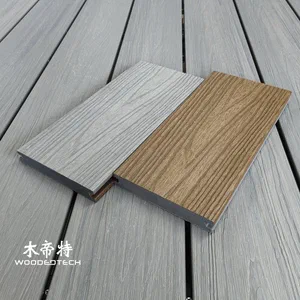 Second Generation Two Color Co Extruded 3D Embossed 3DGD14023S Composite Wood Deck Boards Feature an Extremely Realistic Antique Wood and Teak Grain Texture
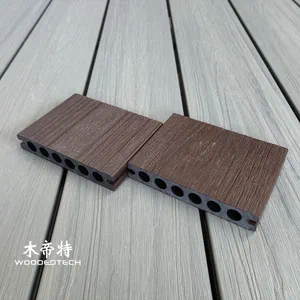 GD13823-3 Redwood Color Round Hole Co Extrusion Decking Composite Decking Brings Classic Chinese Red Style to Outdoor Flooring Projects
 3D15023 150mm Width 23mm Thickness Round Hole 3D Embossed Chocolate Color Outdure Composite Decking Creates Elegant Outdoor Spaces