
Plastic Wood Block: Industrial Applications, Benefits, and Material Selection
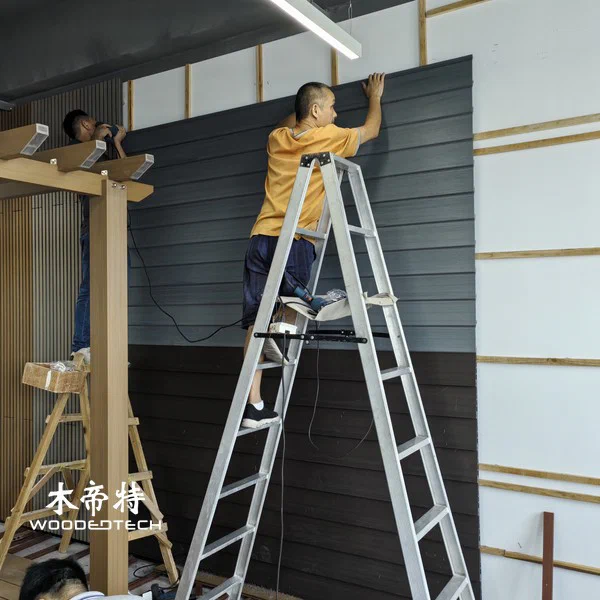
Plastic wood block, commonly manufactured from wood plastic composite (WPC), is a versatile material used in outdoor construction, landscaping, and industrial applications. Made by combining wood fibers or wood flour with recycled or virgin thermoplastics, it offers a practical alternative to conventional timber, particularly in environments exposed to moisture, sunlight, and frequent use. For architects and landscape designers, WPC blocks provide opportunities to create durable outdoor structures while reducing maintenance requirements and dependence on natural wood.
What Is a Plastic Wood Block?
A plastic wood block is a solid or hollow composite component produced by blending wood-based materials with plastic polymers, typically polyethylene (PE), polypropylene (PP), or polyvinyl chloride (PVC). Manufacturers add coupling agents, stabilizers, pigments, and other additives to improve bonding, weather resistance, color stability, and mechanical performance.
Unlike untreated timber, WPC does not readily absorb water, rot, or attract termites. Its composition can be adjusted to meet different project requirements, making it suitable for both decorative and functional applications.
Common product characteristics include:
- Wood-like appearance and texture for outdoor architectural designs.
- Resistance to moisture, decay, and insect damage.
- Consistent dimensions and relatively stable performance.
- Options for solid, hollow, and custom-extruded profiles.
- Availability in different colors, surface finishes, and dimensions.
The actual performance depends on the polymer type, wood-to-plastic ratio, manufacturing process, and quality of the additives.
Industrial and Landscape Applications of Plastic Wood Blocks
Plastic wood blocks serve several purposes in commercial construction and outdoor landscape projects. Their combination of structural versatility and weather resistance makes them useful for public spaces, residential developments, hospitality facilities, and commercial properties.
Outdoor Landscaping and Public Spaces
Landscape architects use WPC components to build garden seating, planter structures, raised landscape borders, decorative partitions, and outdoor furniture. These installations benefit from the material’s resistance to moisture and biological deterioration.
In public parks and recreational areas, WPC can also be incorporated into benches, pedestrian platforms, and landscape edging. Compared with untreated timber, it generally requires less frequent painting, sealing, and replacement, helping property managers control long-term maintenance costs.
Decking, Walkways, and Pool Surroundings
WPC blocks and profiles can be integrated into outdoor decking systems, garden pathways, balcony floors, and poolside platforms. Their wood-like appearance complements natural landscape materials while providing better resistance to water-related deterioration than conventional wood.
For these applications, designers should consider surface texture, drainage, and slip resistance. A textured or embossed finish can improve traction, although actual slip performance should be verified through appropriate product testing. Around swimming pools, selecting products specifically tested for wet-area applications is particularly important.
Architectural Screens and Exterior Structures
WPC components can also function as decorative blocks, privacy screens, facade elements, and structural infill materials. Combined with aluminum framing or galvanized steel supports, they can create outdoor partitions, sunshade systems, and contemporary landscape features.
Architects often use different profile sizes and orientations to control visual privacy, airflow, and sunlight. Custom extrusion options allow manufacturers to produce components suited to specific design requirements.
However, WPC should not automatically be treated as a load-bearing structural substitute for steel, concrete, or engineered timber. Applications involving significant structural loads require verified engineering data and suitable supporting systems.
Key Benefits for Commercial Projects
One of the main reasons project developers choose wood plastic composite materials is their relatively low maintenance demand. Traditional timber exposed to outdoor conditions may require regular staining, waterproofing, or protective coatings. WPC generally eliminates the need for these routine treatments, although periodic cleaning remains necessary.
Moisture resistance is another important advantage. Because the plastic matrix reduces water absorption, quality WPC products are less susceptible to swelling, fungal decay, and insect damage. This makes them suitable for many outdoor environments, including gardens, courtyards, and recreational facilities.
Durability also contributes to lifecycle value. Properly formulated WPC products can withstand repeated outdoor exposure, provided their installation conditions and performance ratings match the project requirements. UV stabilizers help reduce fading, while suitable additives can improve resistance to temperature changes and environmental exposure.
Environmental considerations are also relevant to commercial procurement. Some manufacturers use recycled plastics and recovered wood fibers, helping reduce demand for virgin resources. However, buyers should evaluate recycled content, manufacturing practices, product lifespan, and end-of-life recycling options rather than assuming every WPC product is automatically environmentally preferable.
Material Selection: What Architects and Buyers Should Evaluate
Selecting the right plastic wood block requires more than comparing prices and colors. Architects, contractors, and procurement teams should assess the product’s technical specifications against the actual conditions of the project.
Important selection factors include:
- Material composition: Check whether the product uses PE, PP, or PVC and understand how the formulation affects flexibility, moisture resistance, and durability.
- Density and internal structure: Solid blocks may provide greater mass and fastening flexibility, while hollow profiles can reduce weight and material consumption.
- Mechanical properties: Review bending strength, flexural modulus, impact resistance, and load-bearing test results where relevant.
- Weather resistance: Request UV exposure, water absorption, and temperature resistance test data.
- Surface finish: Select brushed, embossed, or smooth finishes according to the desired appearance, cleaning requirements, and slip-resistance needs.
- Fire performance: Check applicable fire classifications and certification requirements, especially for commercial buildings and public facilities.
- Dimensional stability: Confirm thermal expansion characteristics and installation clearances.
For large-scale projects, consistency between production batches is equally important. Requesting physical samples, technical data sheets, and relevant test reports before approving a supplier can help prevent specification problems during installation.
Installation and Project Planning Considerations

Even high-quality WPC materials can experience performance problems when installed incorrectly. Thermal expansion is one of the most important considerations because composite materials generally expand and contract with temperature changes. Contractors should follow manufacturer-recommended spacing, fastening methods, and expansion allowances.
Substructure design is equally important. Outdoor decking and elevated installations require appropriate joist spacing, structural supports, and drainage provisions. Plastic wood components should not remain in prolonged contact with standing water, and concealed areas should have adequate ventilation.
For landscape applications, designers should also consider exposure conditions. A shaded garden walkway has different requirements from a south-facing pool deck exposed to intense sunlight. Color selection, surface temperature, UV resistance, and cleaning access should all be considered during the design stage.
Before installation begins, coordinate the WPC specifications with the supporting framework, drainage layout, edge details, and connection hardware. For complex commercial projects, a sample installation or mock-up can help verify appearance, fastening details, and construction tolerances.
Choosing a Reliable WPC Manufacturer
The quality of plastic wood blocks depends heavily on raw material selection, formulation control, extrusion technology, and quality assurance. Working with an experienced WPC manufacturer helps architects and contractors obtain products that match their technical specifications and project schedules.
When evaluating suppliers, review their production capabilities, customization options, quality control procedures, and experience with commercial outdoor applications. Ask whether they can provide custom dimensions, colors, surface treatments, and matching accessories.
For international procurement, also confirm applicable product standards, test documentation, packaging requirements, and shipping arrangements. A supplier capable of supporting both product development and technical coordination can simplify procurement for projects involving multiple WPC components.
Plastic wood blocks offer architects and landscape designers a practical material option for creating attractive, durable, and low-maintenance outdoor environments. The best results come from matching the composite formulation, profile design, surface finish, and installation system to the project’s functional and environmental demands. Careful material evaluation and supplier selection help ensure that WPC installations deliver consistent performance throughout their intended service life.
Related Articles
 Composite Wood Solutions: Industrial Applications, Benefits, and Market Trends
 Plastic Wood Lumber: Industrial Applications, Benefits, and Performance Standards
 Manufacturing Techniques for Polymer Matrix Composites (PMCs): A Guide
 WPC Pros and Cons: A Comprehensive Guide for Industrial Applications
Related Products
 GD13823-3 Composite Boards for Decking Are Available in Multiple Stock Colors with 3 Meter Lengths and Single Piece Delivery
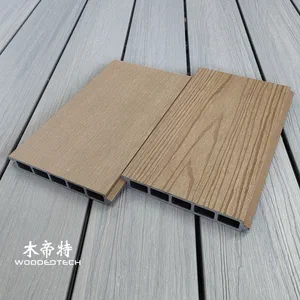 3DGL18024 WPC Longboard Fence Features Premium Co Extruded 3D Embossed Teak Wood Grain Texture with Realistic Natural Wood Fibers
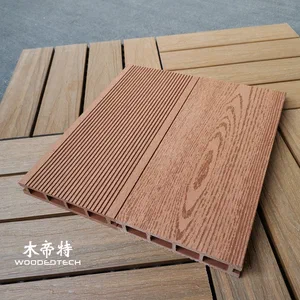 The Classic D14025-4 Red Wood WPC Wood Sheet Features a Timeless 2D Flat Wood Grain Design That Remains Popular After Twenty Years