
Plastic Lumber: Industrial Applications, Benefits, and Market Outlook
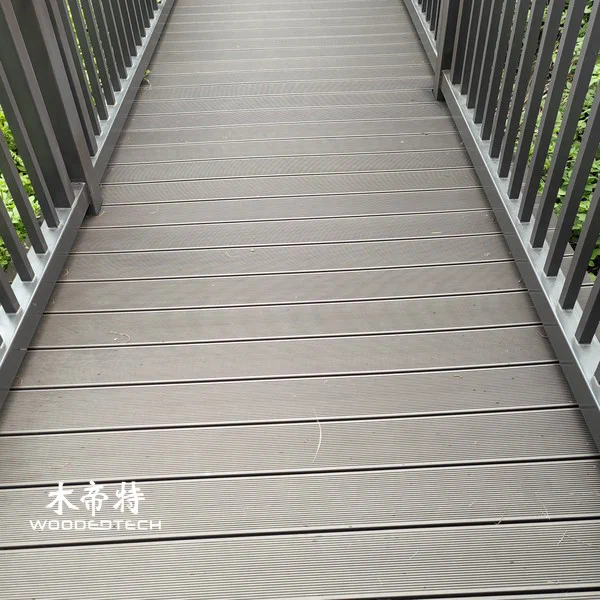
Plastic lumber is gaining ground as an alternative to conventional timber in construction, infrastructure, landscaping, and outdoor building projects. Manufactured from recycled plastics or wood-plastic composite materials, it offers resistance to moisture, decay, insects, and corrosion, making it suitable for applications where traditional wood requires frequent maintenance or replacement. Growing demand for durable construction materials and more effective plastic waste recovery is creating new opportunities for manufacturers, distributors, and international buyers.
What Is Plastic Lumber and Where Is It Used?
Plastic lumber is a manufactured building material made primarily from recycled or virgin thermoplastics, including high-density polyethylene (HDPE), polypropylene (PP), and other polymer blends. Some products consist entirely of recycled plastic, while wood plastic composite combines plastic resin with wood fibers, wood flour, or other natural fillers. These material categories are related but have different mechanical properties, manufacturing requirements, and end-use applications.
Unlike conventional timber, plastic lumber does not absorb water in the same way, making it less susceptible to rot, fungal decay, and insect damage. It can also be extruded into different profiles, dimensions, colors, and surface textures. Manufacturers use extrusion and molding processes to produce boards, beams, posts, panels, and customized components for commercial and industrial projects.
Its established applications include boardwalks, marina structures, agricultural fencing, landscaping timbers, park benches, retaining structures, and outdoor flooring. Municipal authorities and infrastructure contractors are particularly interested in materials that can reduce maintenance requirements in exposed environments. The US Environmental Protection Agency also identifies recycled plastic lumber as a suitable material for landscaping timbers and posts used in raised beds, retaining walls, and public spaces.
Key Industrial Applications Driving Market Demand
The outdoor construction sector represents one of the most commercially attractive markets for plastic lumber and related composite products. Composite decking is widely used in residential terraces, hotels, resorts, swimming pool surrounds, marinas, and commercial public spaces. Compared with conventional timber, well-designed composite boards offer lower maintenance requirements and more consistent appearance. Capped and co-extruded products are gaining attention because their protective outer layers can improve resistance to staining, moisture, fading, and surface wear.
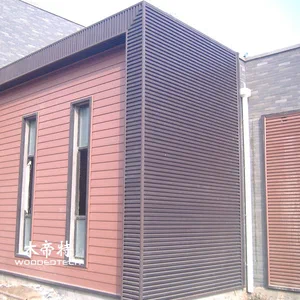
WPC wall cladding and exterior panels provide another growth opportunity. Architects and developers increasingly use wood-look composite materials for building facades, commercial developments, hospitality projects, and residential exterior renovations. These products combine decorative flexibility with resistance to common moisture-related problems. Demand for customized colors, embossed textures, fluted panels, and exterior louvers is also creating opportunities for manufacturers offering specialized extrusion profiles.
Plastic lumber and composite materials are also expanding into fencing, pergolas, railings, and landscape products. Commercial property developers value composite fencing for privacy screens, boundary structures, and public facilities. Pergolas, gazebos, garden benches, planters, and outdoor seating benefit from materials that can withstand regular exposure to rain, sunlight, and temperature changes. For wholesalers and project contractors, purchasing coordinated decking, fencing, cladding, and landscaping products from one manufacturer can simplify procurement and create more consistent project designs.
Industrial infrastructure offers additional applications, particularly in waterfront environments, agricultural facilities, and public infrastructure. Recycled plastic lumber can be used in boardwalks, dock components, landscaping structures, and selected noncritical structural applications. However, heavy-load applications require careful engineering. Plastic lumber can exhibit greater thermal expansion, creep, and deflection than traditional timber, and its load-bearing performance depends on material composition, profile design, and reinforcement. Product-specific testing and compliance with relevant engineering standards are essential before specifying it for structural projects.

Global Market Trends and Regional Opportunities
The global wood plastic composite market is benefiting from construction investment, residential renovation, outdoor living trends, and demand for alternatives to traditional timber. Market estimates differ according to whether reports include pure plastic lumber, WPC, automotive components, furniture, or other composite applications. One industry estimate values the global WPC market at approximately US$11.4 billion in 2025 and projects growth to US$17 billion by 2032, with a compound annual growth rate of 5.8%. Another forecast estimates growth from US$7.7 billion in 2025 to US$13.47 billion in 2030. These figures should be treated as separate market estimates rather than directly comparable measurements.
Asia-Pacific is an important growth region, supported by urbanization, manufacturing capacity, infrastructure investment, and expanding construction activity. China and other Asian manufacturing centers play significant roles in supplying composite boards, wall panels, fencing systems, and customized outdoor products to international markets. North America remains attractive because of established composite decking demand, residential renovation activity, and interest in replacing traditional timber structures. Europe offers opportunities associated with sustainable construction, product durability, and circular material sourcing. Meanwhile, markets in the Middle East, Australia, and Southeast Asia offer potential for weather-resistant outdoor materials suited to demanding climatic conditions.
Benefits and Challenges for Manufacturers and Buyers
The commercial appeal of plastic lumber comes from its combination of durability, design flexibility, and reduced routine maintenance. Recycled-content products can also help manufacturers and construction companies incorporate recovered materials into their supply chains. Depending on the formulation and application, plastic lumber can reduce the need for painting, staining, and preservative treatments. Its resistance to moisture and biological deterioration can be particularly valuable in outdoor environments where timber replacement is expensive.
Nevertheless, recycled content alone does not guarantee environmental superiority. The overall impact depends on feedstock sourcing, processing energy, transportation, product lifespan, and end-of-life recovery. Manufacturers must also manage raw material variability, UV degradation, thermal movement, surface slip resistance, and mechanical performance. Consistent quality control, clear installation guidance, and credible recycled-content documentation are important for international buyers.
Future Market Outlook and Business Opportunities
The next stage of market development will favor manufacturers that move beyond commodity plastic boards toward complete, application-specific building systems. Opportunities include co-extruded decking with improved protective surfaces, weather-resistant exterior cladding, reinforced fencing profiles, customized pergola components, and modular landscaping products. Combining recycled materials with improved formulations and production technologies can help suppliers differentiate their products through performance rather than price alone.
There is also considerable potential in OEM and private-label manufacturing. International distributors, construction material wholesalers, and outdoor living brands increasingly need reliable suppliers capable of producing customized dimensions, colors, textures, packaging, and product specifications. Manufacturers that provide technical drawings, installation documentation, sample development, and consistent export quality can build stronger relationships with overseas customers.
Public infrastructure procurement and circular construction initiatives may create additional demand for recycled plastic lumber. However, wider adoption will depend on reliable material traceability, recognized testing standards, engineering guidance, and demonstrated lifecycle performance. The National Academies has identified infrastructure applications as an opportunity for recovering plastic waste, while emphasizing the importance of suitable feedstock quality and safe long-term performance.
For international suppliers, the strongest commercial strategy is to combine competitive manufacturing costs with documented product performance, dependable supply capacity, and a diversified outdoor product portfolio. Businesses that can serve decking, cladding, fencing, pergola, and landscaping markets through coordinated product development will be better positioned to capture demand as construction companies and property developers seek longer-lasting alternatives to conventional timber.
Related Articles
 Composite Wood Solutions: Industrial Applications, Benefits, and Market Trends
 Plastic Wood Lumber: Industrial Applications, Benefits, and Performance Standards
 Recycled Material Composite: Industrial Applications, Benefits, and Market Trends
 Plastic Wood Composite: Industrial Applications, Benefits, and Quality Standards
Related Products
 GD13823-3 Composite Boards for Decking Are Available in Multiple Stock Colors with 3 Meter Lengths and Single Piece Delivery
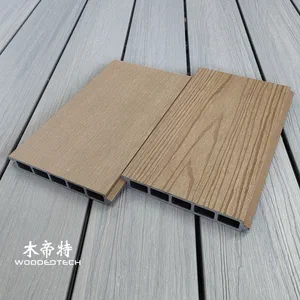 3DGL18024 WPC Longboard Fence Features Premium Co Extruded 3D Embossed Teak Wood Grain Texture with Realistic Natural Wood Fibers
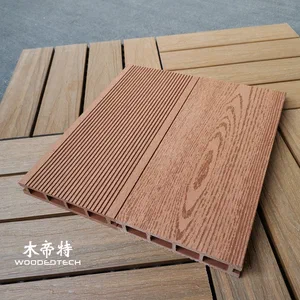 The Classic D14025-4 Red Wood WPC Wood Sheet Features a Timeless 2D Flat Wood Grain Design That Remains Popular After Twenty Years