
Plastic composite decking offers an eco friendly alternative for long lasting outdoor flooring applications
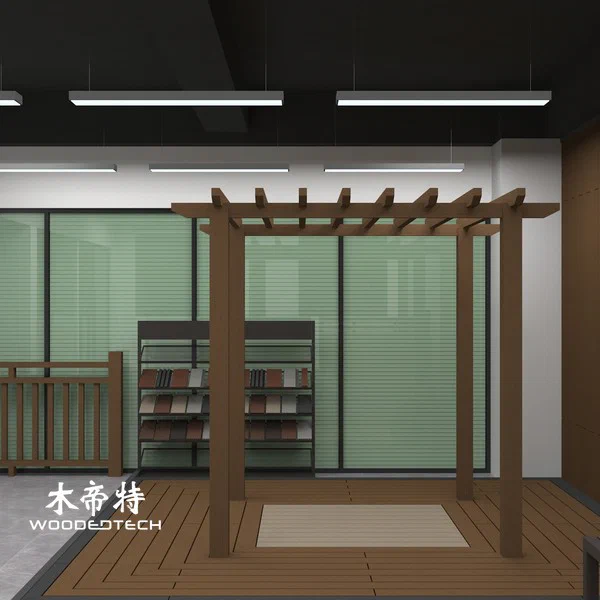
Outdoor WPC is widely used as an eco-friendly alternative for long-lasting outdoor flooring because it combines recycled wood fibers and plastic into a durable, stable material. For decking, patios, and pool surrounds, it reduces pressure on timber resources while delivering a cleaner maintenance profile than traditional wood.
Why it is considered more sustainable
Wood plastic composite decking uses recovered materials that would otherwise need another disposal route. The wood content is often sourced from sawdust, wood flour, or other reclaimed fiber streams, while the plastic component may include recycled polymers. This blend helps cut down on virgin lumber demand and supports better use of existing raw materials.
The environmental value starts with resource efficiency. By replacing solid timber boards with outdoor WPC, manufacturers can reduce the amount of natural wood required for each square meter of flooring. That matters in projects where large surface areas are needed and material consumption adds up quickly.
Built for long service life
Durability is another major reason buyers choose plastic composite decking. Compared with untreated wood, it is more resistant to rot, moisture, insect damage, splintering, and warping. That longer usable life means fewer replacements over time, which lowers material waste and the environmental impact tied to frequent renovation.
Because outdoor WPC holds up well in harsh weather, it is especially practical for commercial walkways, residential terraces, garden paths, and pool decks. A product that lasts longer usually has a smaller footprint over its full life cycle, even if its initial production is more complex than natural timber.

Low maintenance also reduces environmental load
Traditional wood decking often needs regular sanding, staining, sealing, or repainting to stay presentable. Those upkeep steps consume coatings, solvents, water, and labor, and they generate more maintenance waste. Plastic composite decking avoids most of that routine care.
For property owners and contractors, the low-maintenance advantage is both practical and sustainable:
- no annual sealing or staining
- minimal cleaning with soap and water
- fewer chemical treatments over the years
- less material loss from surface wear
This makes outdoor WPC a strong fit for projects that want a natural wood look without the heavy upkeep that comes with timber.
A balanced choice for modern outdoor flooring
Outdoor WPC is not “eco-friendly” because it is perfect in every sense; it is eco-friendly because it uses recycled inputs efficiently, reduces reliance on harvested wood, and lasts longer with less maintenance. For specifiers and buyers seeking sustainable composite building products, it offers a sensible balance between appearance, performance, and environmental responsibility.
FAQ
Q: Is WPC decking made from recycled materials? A: Many WPC products use recycled wood fibers and recycled plastic, though the exact content depends on the manufacturer. Buyers should ask for material specifications if recycled input is a priority.
Q: Does WPC decking really save wood? A: Yes. Because it replaces solid timber with a composite blend, it reduces the amount of natural wood needed for outdoor flooring applications. This is especially significant on large decks and commercial projects.
Q: Why is WPC lower maintenance than wood? A: It does not need regular sealing, staining, or repainting to perform well outdoors. Routine washing is usually enough to keep it in good condition.
Related Articles
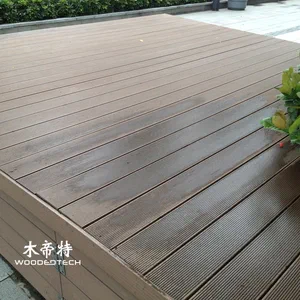 ground level composite deck provides a comfortable outdoor space with easy maintenance benefits
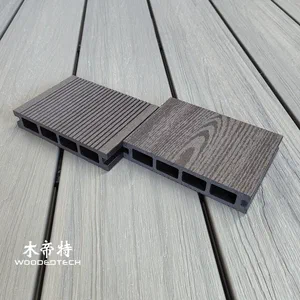 extruded wood composites provide versatile material solutions for modern outdoor construction
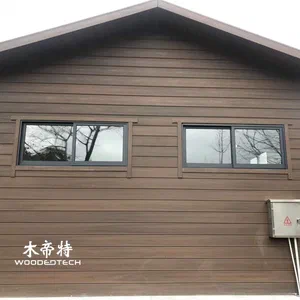 10 x 16 composite deck cost depends on design materials and installation requirements
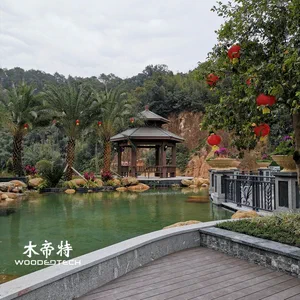 composite decking deck boards provide attractive outdoor flooring with low maintenance advantages
Related Products
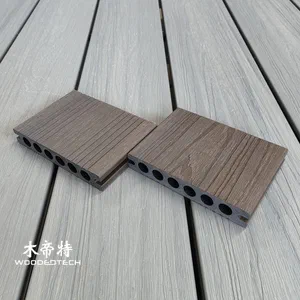 Purple Sandalwood GD13823-3 Co Extruded WPC Outdoor Decks with Round Holes Are Available in Stock in 3 Meter Lengths Year Round
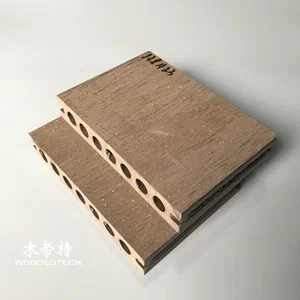 D13823 Round Hole Double Sided Flat WPC Bamboo Decking Boards With Strong Quality And Various Wood Grain Surface Treatments
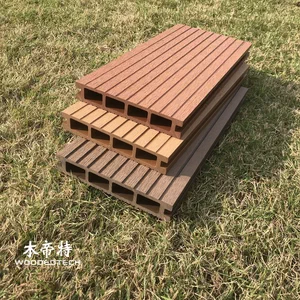 D14025-3 Square Hole Double Sided Grooved WPC Board Factory Producing Outdoor Decking Boards With Good Slip Resistance