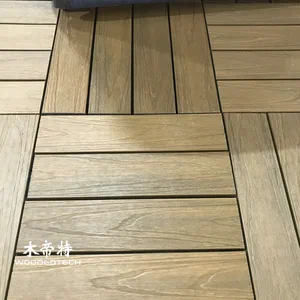
Outgarden WPC Fliese: Industrial Applications, Benefits and Selection Criteria
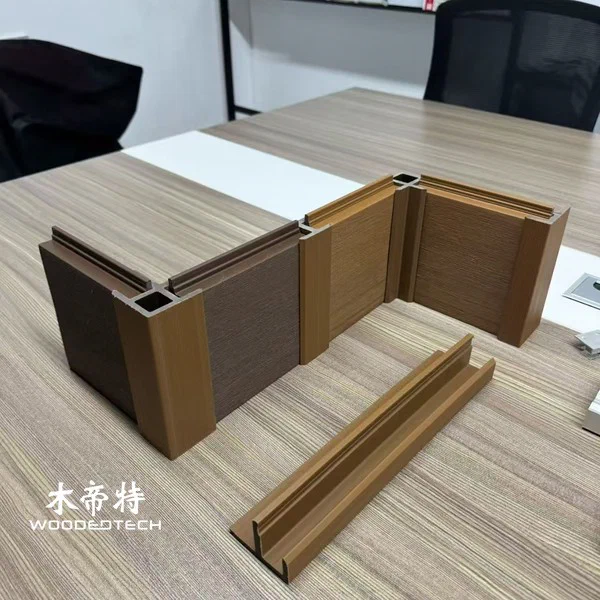
Outgarden WPC tiles are designed for outdoor flooring projects that require a balance of durability, appearance, and manageable maintenance. Made from wood plastic composite (WPC), these tiles combine the natural look of wood with the practical advantages of composite materials, making them suitable for residential gardens, commercial landscapes, hotels, balconies, swimming pool surroundings, parks, and other public facilities. Their modular design also gives contractors and project developers greater flexibility when planning outdoor spaces.
1. Residential Gardens and Private Outdoor Spaces
Residential gardens are one of the most common applications for outdoor WPC tiles. They can be installed on garden paths, patios, outdoor seating areas, courtyards, and terraces to create a clean, coordinated flooring surface. Compared with traditional timber flooring, WPC offers better resistance to moisture-related deterioration, splintering, and everyday weather exposure.
For garden projects, consider tiles with a natural wood-grain finish that complements lawns, stone paths, flower beds, and outdoor furniture. Interlocking WPC tiles are particularly useful for smaller residential areas because they are relatively easy to assemble, replace, and rearrange.
Application suggestions:
- Use wood-grain finishes to create a warm, natural garden atmosphere.
- Select UV-resistant products for areas exposed to direct sunlight.
- Ensure the installation surface is level, stable, and adequately drained.
- Choose modular tiles for balconies, patios, and renovation projects.
For larger gardens, WPC tiles can also be combined with composite decking, garden benches, planters, and decorative screens to create a consistent outdoor design.
2. Commercial Landscapes and Hospitality Projects
Commercial landscapes require flooring materials that can maintain their appearance under frequent use. Office campuses, shopping centers, business parks, restaurants, and outdoor entertainment venues often need practical surfaces that are visually attractive and relatively easy to maintain.
Outdoor WPC tiles provide a wood-like appearance without the regular sanding, staining, and painting associated with many traditional timber products. They can be used in pedestrian walkways, outdoor dining areas, landscaped courtyards, entrance platforms, and relaxation zones.
For commercial applications, product selection should focus on load-bearing performance, surface wear resistance, dimensional stability, and installation efficiency. Project managers should confirm the manufacturer’s technical specifications before specifying tiles for high-traffic locations.
Hotels and resorts also benefit from WPC flooring in outdoor lounges, garden restaurants, terrace seating areas, and landscaped pathways. Natural wood textures help create a welcoming environment while reducing routine surface maintenance. For premium hospitality projects, coordinated colors and finishes can help connect outdoor flooring with architectural facades, pergolas, and outdoor furniture.
3. Balconies, Rooftop Terraces, and Swimming Pool Areas
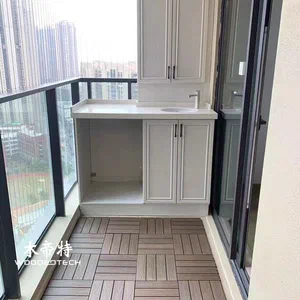
Balconies and rooftop terraces often have limited installation space and specific drainage requirements. Interlocking WPC tiles offer a convenient flooring option because their modular structure allows individual sections to be installed or replaced without rebuilding the entire surface.
For apartment balconies, choose compact tiles with a suitable drainage structure underneath. Before installation, check the waterproofing layer, floor slope, drainage outlets, and available installation height. Tiles should not obstruct existing drainage systems or compromise the building’s waterproofing.
Swimming pool surroundings are another important application. WPC tiles can provide a comfortable, wood-like appearance around residential pools, hotel pools, and recreational facilities. However, poolside performance requires careful consideration because surfaces are frequently exposed to water, cleaning chemicals, and barefoot traffic.
Recommended selection criteria include:
- Slip resistance: Choose a surface with verified slip-resistance performance under relevant wet conditions.
- Moisture resistance: Confirm that the product is suitable for continuous outdoor exposure and frequent splashing.
- Drainage: Use an installation system that allows water to escape rather than accumulate beneath the tiles.
- Surface temperature: Consider lighter colors where strong sunlight may increase surface temperatures.
- Chemical compatibility: Check resistance to commonly used pool-cleaning chemicals.
WPC should not automatically be considered slip-proof or suitable for submerged applications. Always review product test data and installation recommendations before using it around swimming pools.
4. Parks, Public Gardens, and Recreational Facilities
Public parks and recreational spaces need materials that can withstand changing weather conditions and regular pedestrian use. Outdoor WPC tiles can be considered for designated walking areas, viewing platforms, rest zones, garden pavilions, and outdoor activity spaces.
They can also complement other wood plastic composite products, including park benches, composite decking, garden fencing, and decorative screens. Using coordinated materials helps landscape designers create a unified appearance across different functional areas.
For public projects, engineers should pay particular attention to structural support, slip resistance, fire performance where applicable, and maintenance access. Tiles installed in heavily used areas should have sufficient mechanical strength and a reliable fixing system to prevent movement or uneven surfaces.
WPC flooring may also be suitable for selected boardwalk sections and elevated outdoor platforms when the product and supporting structure are specifically engineered for those conditions. Standard interlocking garden tiles should not be used as structural decking without appropriate load-bearing verification.
5. Public Facilities and Institutional Applications
Schools, community centers, exhibition venues, transport facilities, and other public buildings may use outdoor WPC products in courtyards, entrance areas, outdoor corridors, and landscaped gathering spaces.
These environments often require a balance between appearance, safety, durability, and long-term operating costs. WPC can help achieve a consistent architectural finish while reducing dependence on regular timber surface treatments.
For institutional projects, specify products according to the actual site conditions. Consider pedestrian traffic, accessibility requirements, fire regulations, local building codes, and cleaning procedures. Where wheelchair access is required, the finished surface should be sufficiently stable and even, with appropriate transitions between flooring materials.
6. How to Select the Right Outgarden WPC Tiles
Choosing suitable WPC tiles involves more than comparing colors and prices. A successful installation depends on matching product construction and technical performance to the intended application.
The following criteria are particularly important:
- Material composition: Review the wood fiber and polymer composition, manufacturing consistency, and quality-control standards.
- Surface treatment: Compare brushed, embossed, and wood-grain finishes according to appearance and maintenance requirements.
- Structural design: Check tile thickness, internal support structure, connection strength, and load-bearing specifications.
- Weather resistance: Request test information for UV exposure, moisture absorption, temperature changes, and dimensional stability.
- Slip resistance: Review test results under the conditions expected at the installation site.
- Installation system: Confirm whether the tiles use interlocking connections and whether additional substructure or edge restraints are required.
- Color consistency: Check production batch consistency, especially when ordering large quantities for commercial projects.

For buyers handling hotels, landscape developments, or public infrastructure projects, sample approval and technical documentation should be completed before bulk purchasing. Installation drawings, product specifications, maintenance instructions, and warranty terms should also be included in the project evaluation.
7. Professional Installation and Long-Term Performance
Even high-quality WPC tiles depend on proper installation. The substrate should be stable, clean, and level, with sufficient drainage to prevent standing water. Installers should follow the manufacturer’s recommended expansion clearances, particularly in locations exposed to significant temperature fluctuations.
For rooftop and balcony projects, waterproofing and drainage must be checked before laying the tiles. For commercial and public installations, additional attention should be given to edge finishing, movement control, pedestrian safety, and access for future maintenance.
Regular cleaning with water and a suitable mild detergent is generally sufficient for routine care. Avoid aggressive cleaning chemicals or abrasive tools unless approved by the manufacturer. Periodic inspections can help identify loose connections, damaged tiles, or drainage problems before they affect the wider installation.
Outgarden WPC tiles offer a versatile flooring solution for residential, commercial, hospitality, and public landscape projects. By matching tile construction, surface performance, and installation methods to the demands of each environment, architects, contractors, distributors, and project developers can achieve attractive outdoor spaces with practical maintenance requirements and dependable service performance.
Related Articles
 Interlocking Composite Wood Decking Squares for Easy DIY Installation
 How Composite Interlocking Deck Tiles Streamline Large-Scale Outdoor Flooring Projects
 Plastic Wood Tiles: Industrial Applications, Benefits, and Market Trends 2026
 Composite Interlocking Deck Tiles: A Durable Solution for Commercial Applications