
Outdoor WPC panel offers versatile applications for exterior walls fences and landscape projects
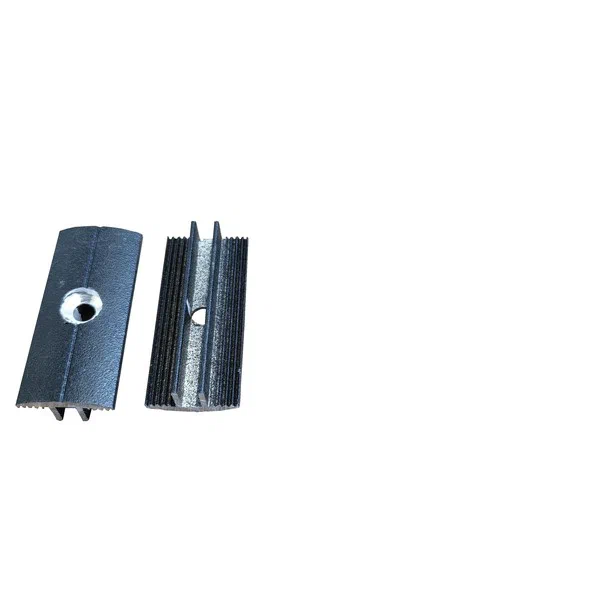
Outdoor WPC panels and related exterior products are widely used in gardens, commercial landscapes, hotels, parks, balconies, pool areas, and public facilities. They combine a wood-like look with weather resistance, low maintenance, and stable performance for long-term outdoor use.
Where Outdoor WPC Works Best
In residential gardens, WPC is a practical choice for exterior walls, privacy fences, planters, pergolas, and seating zones. It creates a clean, coordinated look while avoiding the rot, cracking, and repainting issues common with natural wood. For homeowners, this means less upkeep and better appearance through changing seasons.
In commercial landscapes and hotels, appearance and durability matter equally. Outdoor WPC wall panels and fencing help define entrances, dining terraces, courtyards, and service areas with a consistent architectural finish. Hotels often choose matching cladding, screens, and railing systems to support a premium visual identity without increasing maintenance costs.
Performance in High-Moisture and Public Areas
Swimming pool areas and balconies require products that can handle humidity, splash exposure, and frequent cleaning. WPC decking, wall panels, and railing systems are suitable here because they are moisture-resistant and easier to maintain than traditional timber. For balconies, especially in apartment and hospitality projects, use boards or tiles with proven slip resistance and proper drainage design.
Public facilities such as parks, walkways, pavilions, rest zones, and community buildings benefit from WPC’s balance of strength and appearance. It performs well in high-traffic environments where materials must remain stable under sun, rain, and repeated use. For benches, fences, and decorative screens, choose profiles with thicker sections or reinforced structures to improve impact resistance.

Professional Application Suggestions
- For exterior walls, select co-extrusion or capped WPC wall panels when color stability and stain resistance are priorities.
- For fences and screens, use UV-resistant profiles and proper post spacing to improve wind resistance and structural reliability.
- For poolside and balcony floors, prioritize anti-slip surface textures and follow the correct subframe installation to allow drainage and expansion.
- For hotels and commercial projects, coordinate cladding, fencing, and pergola elements in the same color family for a cleaner architectural result.
- For public projects, specify products with tested weather resistance and ask for installation guidance before fabrication.
Design and Installation Considerations
Good WPC application is not only about material choice; it also depends on system design. Expansion gaps, ventilation, hidden fasteners, and suitable joist spacing all affect long-term performance. If the project includes wall cladding, fencing, and landscape features together, using a single supplier can simplify color matching, delivery control, and installation coordination.
FAQ
Q: Can outdoor WPC be used in rainy or humid climates? A: Yes. Outdoor WPC is designed for weather exposure and performs well in humid environments when installed with proper ventilation and drainage.
Q: Is WPC suitable for poolside areas? A: Yes, especially for deck surfaces, screens, and railings. Choose slip-resistant finishes and follow the correct installation method for wet areas.
Q: What should buyers check before specifying WPC for public projects? A: Check weather resistance, surface treatment, structural thickness, and installation requirements. For busy areas, durability and maintenance needs should be confirmed in advance.
Related Articles
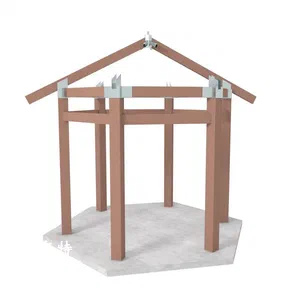 WPC wall panel advantages include stylish appearance easy maintenance and reliable outdoor performance
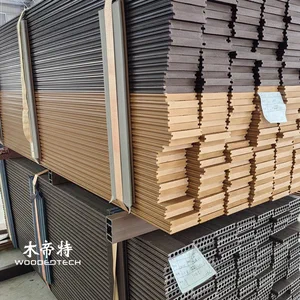 Weatherproof WPC Panel for Balcony & Outdoor Spaces
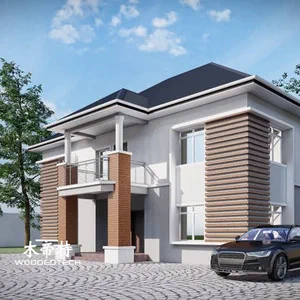 wpc decking floor offers durable and attractive solutions for gardens balconies and outdoor areas
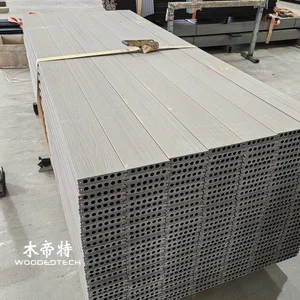 WPC Wall Cladding Installation Guide Step by Step
Related Products
 B14011 WPC Paneling Sheets Feature Double Flat Surfaces with Heat Pressed Wood Grain Designs for Outdoor Styles
 B17010 Plastic Wood Look Siding Provides Decorative Thin Boards for Modern Outdoor Wall Applications
 B30014 Plastic Wood 4x8 Sheets Provide Wide Thin Boards for Large Outdoor Display and Surface Applications