Outdoor WPC Deck for Durable Residential Gardens Patios Balconies and Landscape Projects
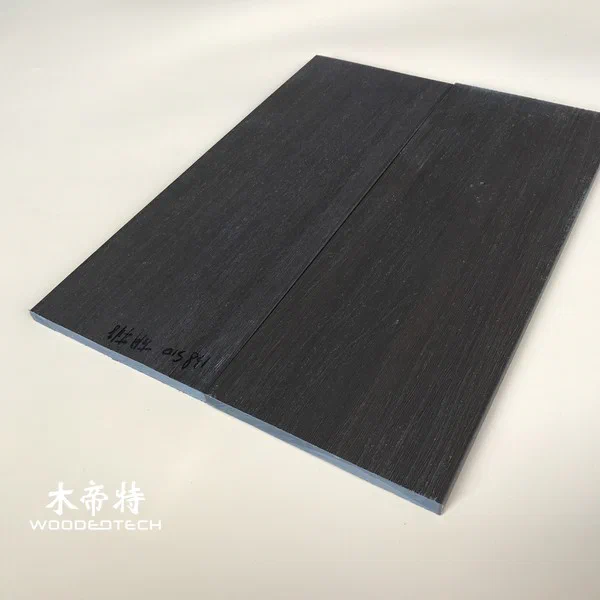
Designing high-performance outdoor wood plastic composite (WPC) formulas involves a careful balance of various components to create durable and aesthetically pleasing products suitable for decking, wall cladding, fencing, pergolas, and landscape applications. The key to achieving this balance lies in the optimal mix of wood fiber content, plastic ratio, additives, cost control, and product lifespan.
Wood Fiber Content and Plastic Ratio
The primary components of WPC are wood fibers and thermoplastics. The wood fiber content typically ranges from 30% to 70%, depending on the desired properties of the final product. Higher wood content tends to increase natural aesthetics and improve thermal performance but may reduce durability and moisture resistance. Conversely, a higher plastic ratio enhances water resistance, reduces swelling and shrinkage, and improves overall durability.
Finding the right balance is crucial. A common formulation may contain 50% wood fibers and 50% plastic, but adjustments can be made based on specific end-use requirements. For outdoor applications like decking, a higher plastic ratio is often preferred to withstand environmental stressors.

Additives and Performance Enhancements
To enhance the performance of WPC products, various additives can be incorporated into the formulation. These include:
- UV stabilizers: Protects against color fading and degradation from sunlight.
- Antioxidants: Prevents degradation of plastic components over time.
- Fire retardants: Increases flame resistance for safety compliance.
- Colorants: Provides aesthetic options for consumers while maintaining the integrity of the composite.
Careful selection and dosage of these additives are essential for ensuring long-term performance without significantly increasing costs.
Cost Control
While designing high-performance WPC, cost control remains a critical factor. The choice of materials, including the type of wood fibers and plastics, can significantly influence production costs. Utilizing recycled materials can lower costs and appeal to environmentally conscious consumers. Moreover, optimizing the production process, such as adjusting the extrusion parameters, can improve yield and reduce waste, further enhancing cost efficiency.
Product Lifespan
The longevity of WPC products in outdoor applications is paramount. A well-designed formulation should withstand various environmental challenges, including moisture, temperature fluctuations, and UV exposure. Regular testing and quality assurance measures should be implemented to ensure the products meet durability standards over time.
By focusing on these critical areas—wood fiber content, plastic ratio, additives, cost control, and product lifespan—engineers can create high-performance WPC solutions tailored for residential gardens, patios, balconies, and various landscape projects.
FAQ
Q: What is the ideal wood fiber content for outdoor WPC decking?
A: The ideal wood fiber content typically ranges from 30% to 70%, with around 50% being common for a good balance of aesthetics and durability.
Q: How do additives improve the performance of WPC products?
A: Additives like UV stabilizers, antioxidants, and fire retardants enhance durability, resistance to weathering, and safety compliance.
Q: Can recycled materials be used in WPC formulations?
A: Yes, using recycled materials can lower costs and appeal to eco-conscious consumers while maintaining product integrity.
Related Articles
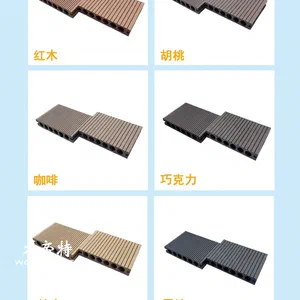 WPC Deck Flooring for Durable Outdoor Patios Gardens Balconies and Landscape Applications
 Garden Decking Composite Board Creates Beautiful And Durable Outdoor Living Areas
 Least Expensive Composite Deck Boards Offer Affordable Solutions For Outdoor Flooring Projects
 HDPE Composite Lumber Offers Strong and Durable Material Solutions for Outdoor Construction Projects
Related Products
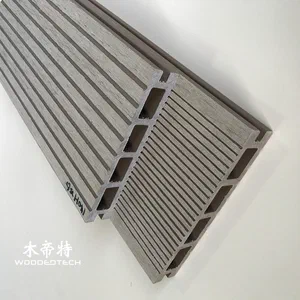 D14025-3 Composite Lumber for Decks Features a Classic Double Sided Groove Design with Excellent Value for Outdoor Projects
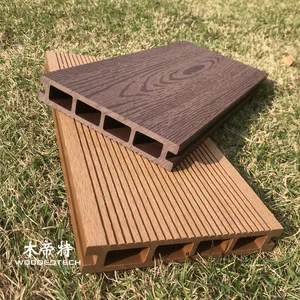 D14025-4 Composite for Decking Provides Stable Performance and Reliable Quality as a Popular Choice for Outdoor Projects
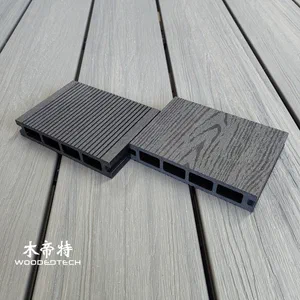 D14025-4 WPC Decking Boards Feature a Flat Wood Grain Surface with Black Ebony Heartwood Ring Grain for Outdoor Applications