
Optimizing WPC's: The Future of Composite Materials in Industrial Applications
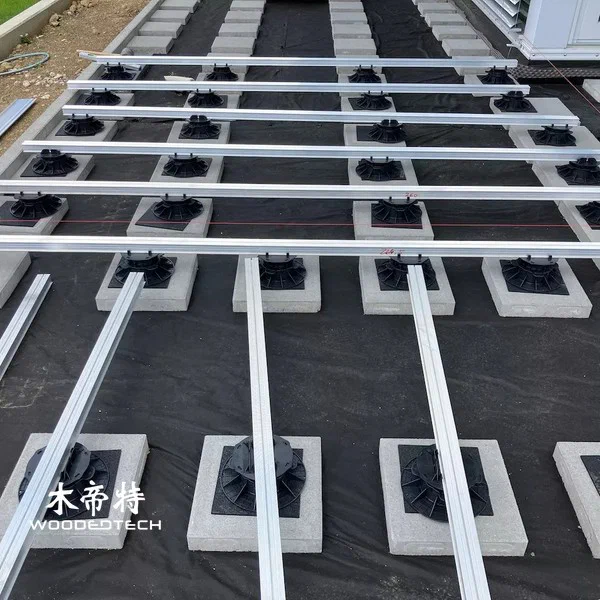
Designing high-performance wood plastic composites (WPC) for applications such as decking, wall cladding, fencing, pergolas, and landscape products involves balancing several critical factors. This includes the ratio of wood fiber to plastic, the incorporation of additives, cost management, and ensuring a long product lifespan. Each element plays a pivotal role in the final performance and usability of the composite material.
Wood Fiber and Plastic Ratio
The wood fiber content in WPC formulations is crucial for determining the material’s structural integrity and aesthetic appeal. Typically, a wood fiber content ranging from 30% to 70% is used, influencing properties such as strength, rigidity, and thermal expansion. While higher wood content can improve the appearance and reduce costs, it can also make the composite susceptible to moisture absorption and decay. Therefore, selecting the right balance is essential.
On the plastic side, commonly used polymers include polyethylene (PE) and polypropylene (PP). These materials offer durability and resistance to environmental factors. The plastic ratio must be sufficient to protect the wood fibers from moisture and UV degradation while providing flexibility and impact resistance.

Additives for Performance Enhancement
To optimize performance, various additives are incorporated into WPC formulations. Some key additives include:
- UV Stabilizers: Protect against UV radiation, enhancing weather resistance.
- Antioxidants: Prevent degradation of polymers during processing and in service.
- Flame Retardants: Improve fire resistance, particularly important for certain applications.
- Colorants and Fillers: Enhance aesthetics and can influence mechanical properties.
The choice and concentration of additives can significantly affect the composite’s cost and performance, necessitating careful selection based on the intended application.
Cost Control Strategies
Developing a cost-effective WPC formulation requires strategic sourcing of raw materials and additives. The price of wood fibers and plastics can fluctuate, so establishing relationships with suppliers and considering alternative materials can help stabilize costs. Additionally, optimizing the manufacturing process can lead to reduced waste and energy consumption.
It’s also beneficial to consider the life cycle cost of the product. While lower-quality materials may save costs initially, they can lead to higher maintenance and replacement expenses over time. Investing in higher-quality components can ultimately yield better long-term value.
Ensuring Product Lifespan
Longevity is a key consideration in WPC design. The formulation should be resistant to environmental stressors such as moisture, UV light, temperature fluctuations, and biological degradation.
To enhance product lifespan:
- Conduct thorough testing: Perform accelerated aging tests to evaluate performance over time.
- Optimize processing conditions: Properly control temperature and humidity during manufacturing to ensure optimal bonding of wood and plastic.
- Implement protective finishes: Coatings can add an extra layer of protection against weathering and staining.
A well-designed WPC should maintain its appearance and structural integrity over decades, making it a sustainable choice for various outdoor applications.
Conclusion
An effective WPC formulation balances wood fiber and plastic content, incorporates appropriate additives, controls costs, and prioritizes durability. This careful design approach not only meets the performance needs of decking, cladding, fencing, and other applications but also aligns with market demands for sustainable and long-lasting materials.
Related Articles
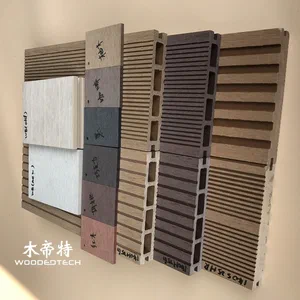 Understanding Composite Materials: Key Features and Applications for 2024
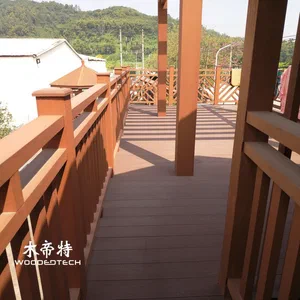 Exploring New Composite Decking Materials: Innovations for the 2023 Construction Industry
 Innovative Applications of Plastic Wood Cover in Industrial Manufacturing: 2023 Insights
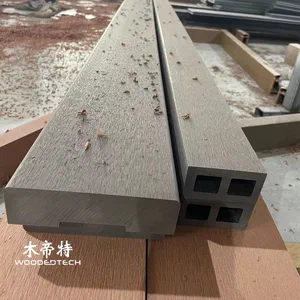 Understanding Composite Decking Boards Sizes: A Comprehensive Guide for 2023
Related Products
 GD13820 M Shape Co Extruded Composite Deck Planks Feature a Special Profile Design for Distinctive Outdoor Decking Applications
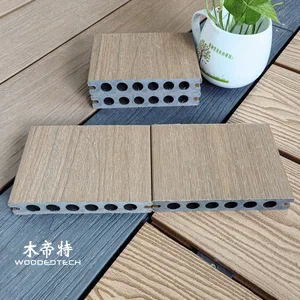 GD13823 Double Sided Flat Surface Co Extruded WPC Decking Features a Popular Width and Thickness with Round Hollow Structure
 GD13823-3 Composite Boards for Decking Are Available in Multiple Stock Colors with 3 Meter Lengths and Single Piece Delivery