
Optimizing Wood Plastic Composites for Scalable Industrial Manufacturing
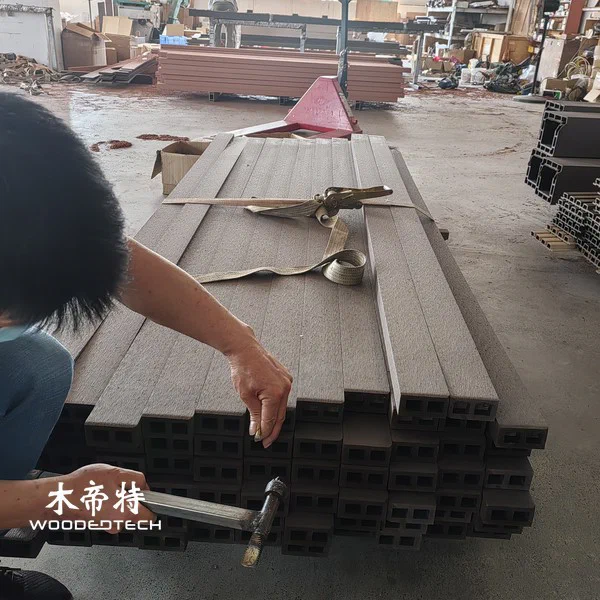
Wood plastic composites (WPC) can support large-scale industrial production when material formulation, extrusion processes, production scheduling, and quality control are managed as one integrated system. For international buyers, working with a professional Guangdong WPC manufacturer means more than securing competitive prices; it means having a reliable production partner capable of handling bulk orders, maintaining consistent product quality, and meeting agreed delivery schedules.
Building a Scalable WPC Manufacturing System
Scaling up WPC production requires a structured manufacturing process rather than simply increasing the number of machines or operating hours. A professional factory starts by standardizing its production workflow, from raw material preparation and formulation to extrusion, cooling, surface treatment, cutting, inspection, and packaging.
Wood flour, recycled plastics, additives, and colorants must be measured according to controlled formulation specifications. Small variations in moisture content, material ratios, or processing conditions can affect product density, mechanical strength, surface appearance, and dimensional stability. Establishing standardized recipes for different product ranges helps manufacturers maintain consistent results across multiple production batches.

For outdoor WPC decking, wall panels, fencing, and decorative profiles, production parameters should be adjusted according to the intended application. Different profiles may require different extrusion temperatures, screw speeds, cooling conditions, and calibration settings. Documenting these parameters allows production teams to reproduce approved specifications when manufacturing repeat orders.
Improving Extrusion Efficiency and Production Capacity
Extrusion is one of the most important stages in wood plastic composite manufacturing. Efficient production depends on matching equipment capacity with product specifications and maintaining stable operating conditions.
A well-organized factory typically uses dedicated production lines for major product categories. This reduces frequent equipment adjustments and minimizes downtime caused by changing molds, material formulations, and surface requirements. For manufacturers handling large volumes of composite decking boards, dedicated extrusion lines can improve output consistency and simplify production planning.
Several practical measures help improve manufacturing efficiency:
- Preventive maintenance: Regularly inspect extruders, molds, cooling systems, and cutting equipment to reduce unexpected breakdowns.
- Process standardization: Establish operating parameters for each product specification and record adjustments during production.
- Mold management: Maintain clear mold identification, storage, inspection, and replacement procedures.
- Production monitoring: Track machine utilization, hourly output, material consumption, and defective product rates.
- Changeover planning: Group similar products into production schedules to reduce unnecessary setup time.
Surface treatment also needs careful coordination. Embossing, brushing, sanding, and co-extrusion processes introduce additional production requirements. Scheduling these operations alongside extrusion capacity helps prevent bottlenecks and unnecessary work-in-progress inventory.
Controlling Production Costs Without Compromising Quality
Competitive WPC pricing depends on controlling the entire manufacturing process, not simply purchasing cheaper raw materials. Inconsistent recycled plastics, unsuitable wood flour, or excessive filler content may reduce initial material costs but create higher rejection rates, processing difficulties, and long-term product performance problems.
Professional manufacturers evaluate raw materials based on both purchasing cost and processing performance. Incoming materials should undergo appropriate checks for moisture, particle size, contamination, and consistency. Suppliers should also be assessed regularly to reduce the risk of unexpected material variations.
Production cost management generally focuses on five areas:
- Raw material utilization: Optimize formulation and reduce unnecessary material waste.
- Energy consumption: Monitor electricity usage per production batch and improve equipment operating efficiency.
- Labor productivity: Assign clear responsibilities to operators, technicians, inspectors, and warehouse personnel.
- Scrap management: Identify recurring defects and determine whether they originate from materials, equipment, or operating conditions.
- Inventory control: Maintain suitable safety stock without tying up excessive working capital.
Recycling production scrap can also help reduce material losses when the recovered material meets the requirements of the approved formulation. However, recycled content must be controlled carefully to avoid compromising product consistency.
The objective is to achieve a competitive manufacturing cost while maintaining the mechanical properties, appearance, and durability expected by international customers.
Managing Bulk Orders and Production Scheduling
International orders often involve multiple product profiles, colors, dimensions, packaging requirements, and shipping deadlines. Without an effective order management system, even a factory with substantial production capacity may struggle to deliver reliably.
A professional WPC factory should establish a clear order management process beginning with technical confirmation. Before production starts, the sales, engineering, purchasing, and production teams need to verify:
- Product drawings, dimensions, and tolerances.
- Material formulation and surface finish.
- Color references and approved samples.
- Order quantities and production specifications.
- Packaging, labeling, and pallet requirements.
- Required inspection standards and delivery dates.
Once specifications are confirmed, the production department converts the order into a manufacturing schedule based on machine availability, mold requirements, material inventory, and existing commitments.
For repeat customers, maintaining historical production records can significantly reduce preparation time. Previously approved colors, molds, formulations, and packaging specifications can be referenced instead of repeatedly starting from the beginning.
Order progress should also be monitored through defined production milestones. These may include raw material preparation, extrusion completion, secondary processing, quality inspection, packaging, and shipment readiness. Regular internal coordination allows potential delays to be identified before they affect the final delivery date.
Maintaining Consistent Quality Across Large Production Batches
Scalable manufacturing is only valuable when quality remains stable as production volume increases. For overseas buyers, receiving a large shipment with inconsistent dimensions, color differences, surface defects, or insufficient packaging protection can create installation problems and additional costs.
Quality control should therefore operate throughout the manufacturing process rather than relying exclusively on final inspection.
At the incoming material stage, manufacturers check whether raw materials meet established specifications. During extrusion, operators monitor dimensions, profile appearance, surface quality, and production stability. Finished products undergo inspections covering relevant requirements such as length, width, thickness, density, mechanical performance, and appearance.
For outdoor applications, additional testing may be appropriate depending on the product and destination market. This can include water absorption, weathering resistance, UV performance, slip resistance, and mechanical strength.
Batch identification is equally important. Production records should connect finished products with their manufacturing dates, material batches, machine settings, inspection results, and packaging details. This traceability makes it easier to investigate quality issues and maintain consistency when customers place repeat orders.
Ensuring Stable Delivery for International Customers
Reliable delivery begins long before products reach the shipping warehouse. Manufacturers must coordinate production capacity, raw material purchasing, inspection schedules, packaging preparation, and logistics arrangements.
A practical approach is to build delivery planning around confirmed production lead times rather than optimistic estimates. Factories should account for mold preparation, material availability, production changeovers, quality inspections, and possible equipment maintenance when confirming shipment dates.
For bulk WPC decking and other outdoor composite products, packaging deserves particular attention. Boards and profiles should be protected against moisture, surface scratches, deformation, and handling damage during transportation. Packaging methods should reflect product dimensions, container loading conditions, and the requirements of the importing customer.
International buyers also benefit from receiving regular progress updates, especially when orders involve multiple production batches or shipment schedules. Clear communication about completed quantities, inspection status, estimated loading dates, and potential delays helps purchasing teams coordinate their own inventory and distribution plans.
Manufacturers in Guangdong serving overseas markets should also understand export documentation requirements and work closely with freight forwarders to coordinate container loading and shipping arrangements.
Choosing a Manufacturing Partner for Long-Term Growth
A capable WPC manufacturer should demonstrate more than production capacity. International buyers should evaluate equipment configuration, raw material management, technical expertise, quality inspection procedures, production planning, and experience handling repeat bulk orders.
Factory audits, sample approvals, production records, and documented quality standards provide useful evidence of manufacturing capability. Buyers should also assess whether the supplier can accommodate customized extrusion profiles, different surface finishes, private-label packaging, and changing order volumes.
For businesses developing long-term product lines, a stable manufacturing partnership can improve purchasing efficiency, reduce quality risks, and make inventory planning more predictable. By combining standardized production processes, efficient extrusion operations, disciplined cost management, and transparent order coordination, professional WPC manufacturers can turn wood plastic composite production into a scalable industrial operation that supports international market demand.
Related Articles
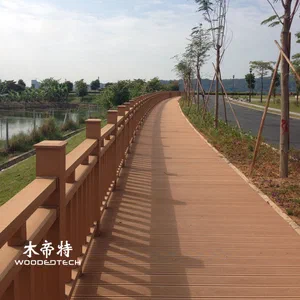
Related Products
 GD13823-3 Composite Boards for Decking Are Available in Multiple Stock Colors with 3 Meter Lengths and Single Piece Delivery
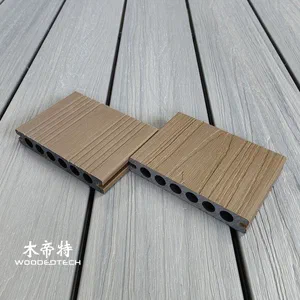 GD13823-3 Teak TK Co Extruded Decking Is a Popular Choice from Composite Decking Suppliers for Outdoor Flooring Projects
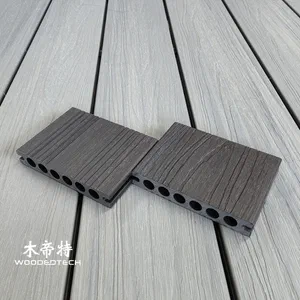 GD13823-3 Walnut WN Co Extruded Decking Features a Dark Rich Color That Helps Resist Visible Dirt and Stains