
Optimizing Outdoor Spaces: The Benefits of Composite Planks for Decks in 2023
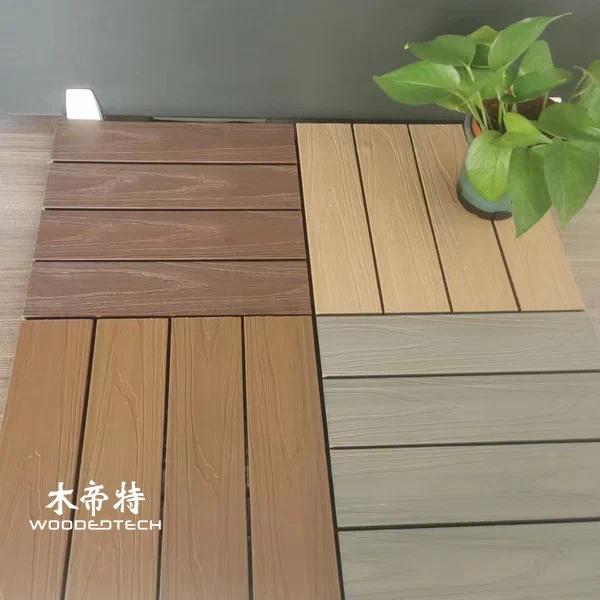
Composite decking and outdoor products are increasingly popular choices for modern outdoor spaces, driven by innovative design trends that enhance aesthetics and functionality. In 2023, the focus on colors, textures, profiles, and modular designs is transforming how decks, fences, pergolas, and other outdoor features are integrated into residential and commercial landscapes.
Colors and Textures
Modern composite decking offers a wide array of color options that mimic natural wood but with greater durability and less maintenance. Rich, earthy tones and vibrant shades provide homeowners with the flexibility to match their outdoor décor. Textured finishes, such as wood grain effects, enhance the visual appeal while providing slip resistance, making these surfaces safer for family gatherings and entertaining.
Textures play an important role in creating a tactile experience. Advanced manufacturing techniques now allow for 3D embossed surfaces that replicate the look and feel of real wood, resulting in a more authentic appearance. This not only elevates the aesthetic but also increases the material’s resistance to wear.
Innovative Profiles
The profile of composite decking boards has also evolved, with various shapes and sizes available to suit different design needs. Profile options range from traditional square edges to modern grooved designs that facilitate easy installation and a seamless appearance. These innovations allow for customizability in outdoor spaces, enabling designers to create unique layouts and patterns that stand out.
Moreover, unique profiles can contribute to better drainage and overall performance. For instance, interlocking systems can enhance structural integrity while allowing water to flow away from surfaces, reducing pooling and the risk of slipping.
Modular Designs

Modular design is a significant trend in the realm of outdoor products, offering convenience and versatility for both homeowners and contractors. Pre-fabricated components, such as fencing panels, pergolas, and gazebos, streamline the construction process, making it quicker and more efficient. This approach not only saves time but also reduces labor costs, making high-quality outdoor spaces more accessible.
Modular designs also allow for easy customization. Homeowners can mix and match different elements to create a cohesive outdoor environment that reflects their personal style. For instance, integrating composite decking with aluminum framed fencing offers a contemporary look while maintaining durability and low maintenance.
Enhancing Outdoor Spaces
The combination of these modern design trends significantly enhances the usability and appeal of outdoor spaces. Composite materials are inherently resistant to weather conditions, insects, and rot, providing a long-lasting solution that maintains its beauty over time. This durability means that outdoor areas can be enjoyed with minimal upkeep, allowing homeowners to spend more time relaxing and entertaining.
Furthermore, the seamless integration of composite products can transform ordinary areas into inviting retreats. Features such as composite planters, benches, and wall panels contribute to a cohesive design while maximizing functionality. By incorporating these elements, outdoor spaces become extensions of the home, promoting relaxation and social interaction.
The movement towards eco-friendly materials is another driving force in the adoption of composite products. Many composite options utilize recycled materials, making them a sustainable choice that appeals to environmentally conscious consumers. This commitment to sustainability aligns with the growing trend of creating green spaces that foster well-being.
In 2023, the emphasis on modern design trends in composite decking, wall panels, fences, pergolas, and other landscape products highlights the potential to optimize outdoor spaces. By focusing on colors, textures, profiles, and modular designs, these innovations improve the functionality, aesthetics, and sustainability of outdoor environments.
Related Articles
 The Future of Outdoor Spaces: Exploring Innovative Composite Decking Materials for 2024
 Outdoor Flooring WPC Decking Provides Comfortable and Stylish Solutions for Gardens and Patios
 Innovative Composite Deck Patio Ideas for Modern Industrial Spaces in 2023
 Composite Deck Plans Help Create Functional And Beautiful Outdoor Living Spaces
Related Products
 GD13820 M Shape Co Extruded Composite Deck Planks Feature a Special Profile Design for Distinctive Outdoor Decking Applications
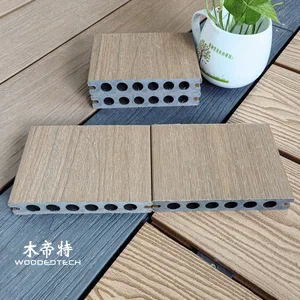 GD13823 Double Sided Flat Surface Co Extruded WPC Decking Features a Popular Width and Thickness with Round Hollow Structure
 GD13823-3 Composite Boards for Decking Are Available in Multiple Stock Colors with 3 Meter Lengths and Single Piece Delivery