
Optimizing Composite Decking Layout: Best Practices for Industrial Applications in 2023
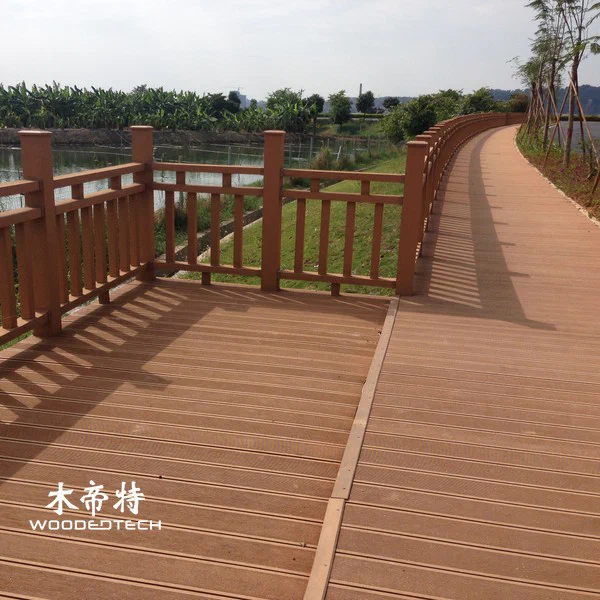
Wood plastic composite (WPC) products are increasingly popular for outdoor applications due to their durability and low maintenance requirements. The key components of WPC, including wood powder, HDPE or PVC polymers, various additives, pigments, and modifiers, significantly influence the performance of these materials in terms of durability and weather resistance. Understanding how these elements interact helps manufacturers optimize their production processes and ensure high-quality end products.
Key Components and Their Effects
Wood powder serves as the primary filler in WPC formulations. It not only contributes to the composite’s aesthetic appeal but also affects its mechanical properties. The particle size and type of wood used can influence the density and strength of the final product. Smaller wood particles generally create a finer finish and can improve surface smoothness, whereas larger particles may enhance structural integrity.
The polymer matrix, whether HDPE or PVC, plays a crucial role in binding the wood particles and providing resilience against environmental factors. HDPE is known for its excellent resistance to moisture, making it ideal for outdoor use. In contrast, PVC offers superior UV resistance, which is beneficial in preventing color fading and degradation from sun exposure. The choice between these polymers can have significant implications for the longevity and performance of the final product.
Additives are incorporated to enhance specific properties. For instance, UV stabilizers prevent degradation from sunlight, while anti-fungal agents reduce the risk of mold and mildew growth. Flame retardants can also be added for safety, ensuring compliance with fire safety standards. Each additive must be carefully balanced to optimize performance without compromising the material’s integrity.
Pigments not only provide color but also improve UV resistance. High-quality pigments ensure that the color remains vibrant over time, resisting fading and discoloration. It is important to select pigments that are compatible with the chosen polymer to avoid any adverse reactions that could affect durability.
Modifiers are used to further improve the physical properties of WPC. They can enhance flexibility, impact resistance, and overall durability. For instance, coupling agents can improve the bond between the wood and polymer, resulting in a stronger composite. This is particularly critical for outdoor applications where exposure to varying weather conditions can lead to material fatigue over time.
Quality Control and Inspection Methods
To ensure the durability and performance of WPC products, rigorous quality control measures must be implemented throughout the manufacturing process. This includes:
Raw Material Inspection: Before production begins, all raw materials should be thoroughly tested for quality. This includes checking the moisture content of wood powder, ensuring polymer purity, and verifying the efficacy of additives and pigments.
Production Monitoring: During the manufacturing process, parameters such as temperature, pressure, and mixing times should be consistently monitored. Any deviations from established standards can lead to defects in the final product.

Mechanical Testing: After production, samples should undergo mechanical testing to assess strength, flexibility, and resistance to impact. These tests help confirm that the products meet industry standards for outdoor use.
Weathering Tests: To evaluate weather resistance, WPC samples should be subjected to accelerated weathering tests, simulating prolonged exposure to UV light, moisture, and temperature fluctuations. This helps predict long-term performance in real-world conditions.
Aesthetic Evaluation: A visual inspection should also be conducted to check for surface defects, color consistency, and overall finish quality. This ensures that products not only perform well but also meet consumer expectations for appearance.
Adherence to industry standards, such as ASTM and ISO guidelines, is critical in establishing the credibility of the WPC products. Regular audits and certifications can further enhance a factory’s reputation and reliability in the marketplace.
Optimizing the layout and production processes for WPC composite decking involves understanding the interplay of materials, quality control, and rigorous testing. By focusing on these elements, manufacturers in Guangdong can produce high-quality, durable outdoor products that meet the demands of a competitive market.
Related Articles
 Plastic Wood Deck Floor Offers Low Maintenance And Natural Looking Outdoor Flooring Performance
 Waterproof Plastic Wood Provides Reliable Outdoor Performance In Different Weather Conditions
 Best WPC Decking Provides High Quality Outdoor Flooring Solutions for Global Markets
 WPC Deck Provides Natural Wood Appearance with Long Lasting Outdoor Performance
Related Products
 GD13820 M Shape Co Extruded Composite Deck Planks Feature a Special Profile Design for Distinctive Outdoor Decking Applications
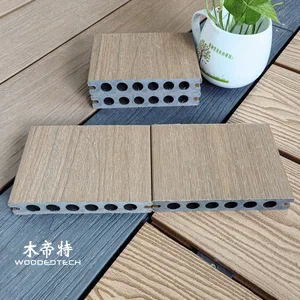 GD13823 Double Sided Flat Surface Co Extruded WPC Decking Features a Popular Width and Thickness with Round Hollow Structure
 GD13823-3 Composite Boards for Decking Are Available in Multiple Stock Colors with 3 Meter Lengths and Single Piece Delivery