
Optimizing Composite Deck Wood for Large-Scale Commercial Construction Projects
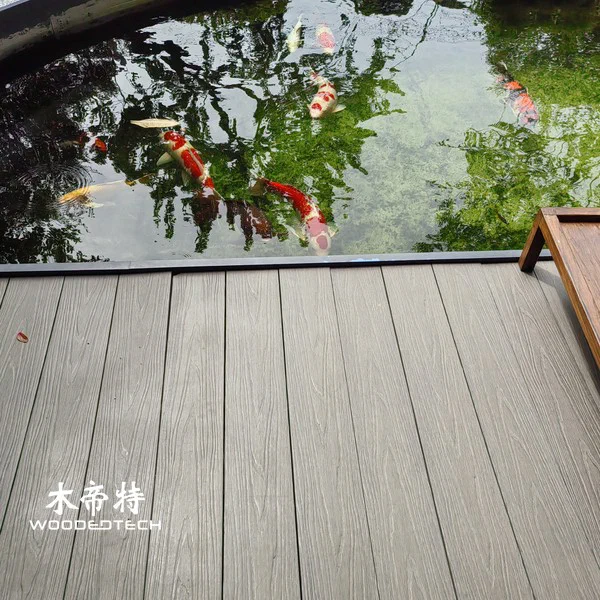
Large-scale commercial construction projects require decking materials that can withstand intensive foot traffic, changing weather conditions, and long-term outdoor exposure while maintaining a consistent appearance. Wood plastic composite (WPC) decking offers a practical alternative to traditional timber, combining wood fibers and polymers to create durable, low-maintenance outdoor surfaces. With appropriate material selection, structural planning, and installation methods, composite deck wood can meet the demands of hotels, commercial developments, public spaces, and large landscaping projects.
1. Selecting the Right Composite Decking for Commercial Projects

Material selection is one of the most important decisions in a large-scale construction project. Commercial environments typically experience heavier use than residential spaces, so decking products must be evaluated according to load requirements, surface durability, environmental exposure, and expected service life.
WPC decking is available in solid and hollow profiles, each offering different performance characteristics. Solid composite decking is generally suitable for areas with intensive pedestrian traffic and applications requiring greater material mass. Hollow profiles can reduce product weight and may be appropriate for elevated walkways, landscaped terraces, and other installations where the supporting structure has been designed accordingly.
For demanding commercial applications, co-extrusion composite decking is worth considering. Its protective outer layer helps improve resistance to moisture, staining, fading, and everyday surface wear. This makes it a suitable option for hotels, shopping centers, public gardens, and outdoor dining areas where maintaining an attractive appearance is important.
Before selecting a product, project engineers should review technical specifications, including board dimensions, bending performance, recommended support spacing, surface slip resistance, and applicable fire-performance requirements.
2. Designing Decking Systems for High-Traffic Environments
A successful commercial decking installation depends on more than the quality of the boards. The entire decking system must be designed to accommodate pedestrian loads, environmental conditions, drainage requirements, and expected maintenance activities.
For large public walkways, hotel terraces, and commercial plazas, engineers should calculate the required structural capacity before determining joist spacing and fixing methods. Board thickness, profile design, span limitations, and substructure materials must work together to provide a stable installation.
Expansion gaps are particularly important because WPC materials respond to temperature changes. Boards can expand in hot weather and contract as temperatures fall. Installers should follow the manufacturer’s specified end gaps, side clearances, and perimeter spacing rather than applying the same measurements to every project.
Drainage also requires careful attention. Decking installed over concrete, rooftops, or elevated platforms should have an appropriately designed drainage route to prevent standing water. Adequate ventilation beneath the boards helps reduce moisture accumulation and supports the long-term performance of the installation.
For complex commercial developments, a coordinated decking layout can also reduce unnecessary cutting, material waste, and installation time.
3. Matching WPC Decking to Different Commercial Applications
WPC decking is suitable for a wide range of outdoor construction environments. In hotels and resorts, it can be used for poolside platforms, outdoor restaurants, garden pathways, rooftop terraces, and recreational areas. Co-extrusion boards with textured surfaces are particularly useful where moisture exposure and frequent cleaning are expected. Around swimming pools, designers should specify products with suitable wet-surface slip performance and provide adequate drainage.
In shopping centers, office complexes, and commercial landscapes, composite decking can create pedestrian routes, outdoor seating platforms, landscaped courtyards, and entrance areas. Consistent board colors and dimensions help maintain a unified appearance across large installations. Integrating composite benches, railing systems, and decorative screens can further improve the functionality and visual continuity of these spaces.
Public parks and recreational facilities often require materials that can tolerate continuous outdoor exposure and regular public use. WPC decking can be applied to viewing platforms, garden bridges, boardwalks, picnic areas, and accessible recreational spaces. For these applications, engineers should pay particular attention to structural support, slip resistance, edge protection, and accessibility requirements.
Residential developments also benefit from composite decking in shared gardens, balconies, communal terraces, and outdoor entertainment areas. Lightweight hollow profiles may be suitable for certain balcony installations, provided the supporting structure and fixing system meet the project specifications. For exposed balconies, UV resistance, waterproof detailing, and effective drainage should be considered during design.
4. Improving Durability Through Surface and Structural Specifications
Commercial projects should not select decking based on appearance or purchase price alone. Surface technology, material formulation, and profile construction all influence long-term performance.
Co-extrusion decking provides an additional protective surface layer that helps resist common outdoor contaminants and reduces routine cleaning requirements. It is particularly suitable for locations exposed to food spills, sunscreen, beverages, and frequent pedestrian contact, such as hotel pool decks and restaurant terraces.
Embossed and wood-grain finishes can provide a more natural timber appearance while offering different surface textures. However, the suitability of a finish should be assessed through relevant slip-resistance testing, especially in wet environments.
Color selection is another practical consideration. Darker boards can absorb more solar heat, potentially making walking surfaces uncomfortable in direct sunlight. For outdoor public areas, medium or lighter colors may offer a more comfortable surface temperature, depending on local climate and product characteristics.
Engineers should also confirm that the decking system has been tested for relevant mechanical, weathering, and fire-performance requirements. Product certifications and test reports should be reviewed against the regulations applicable to the construction location.
5. Controlling Installation Costs and Project Efficiency
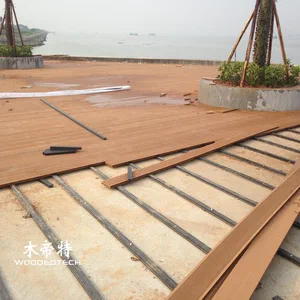
For large-scale construction, installation efficiency has a direct impact on project budgets and delivery schedules. Standardized board dimensions, coordinated substructure layouts, and appropriate fastening systems can help contractors complete installations more efficiently.
Before ordering materials, project teams should prepare accurate quantity calculations based on the decking area, board coverage, installation direction, perimeter details, and cutting allowance. Ordering additional material for future repairs or replacement can also help maintain consistency if the original product color or profile is discontinued.
Working with an experienced WPC decking manufacturer can simplify procurement for developments requiring thousands of square meters of decking. Reliable suppliers should provide technical drawings, product samples, installation guidance, batch consistency information, and clear packaging specifications.
For projects involving multiple buildings or construction phases, it is advisable to confirm production capacity and delivery schedules before finalizing the procurement plan. Consistent product specifications across different batches help prevent visible variations between completed areas.
6. Planning for Long-Term Maintenance and Performance
Although WPC decking generally requires less maintenance than natural timber, commercial installations still need a practical maintenance plan. Regular sweeping and washing with water and a suitable mild cleaning solution can remove dust, leaves, and everyday dirt.
Facilities management teams should periodically inspect fixing points, expansion gaps, drainage channels, board surfaces, and supporting structures. Areas with heavy foot traffic, such as hotel entrances, public walkways, and restaurant terraces, may require more frequent inspections.
When individual boards become damaged, a properly designed fastening system can make localized replacement easier without dismantling large sections of the deck. Keeping spare boards from the original production batch is a useful precaution for major developments.
For commercial construction professionals, the best WPC decking solution is one that balances structural requirements, environmental performance, installation efficiency, and long-term maintenance. By evaluating the complete decking system rather than focusing solely on board prices, developers and contractors can create durable outdoor spaces that retain their functionality and appearance throughout years of commercial use.
Related Articles
Related Products
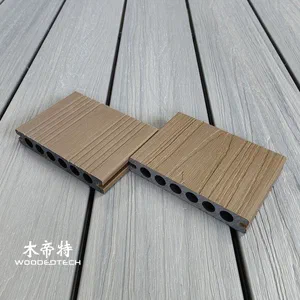 GD13823-3 Teak TK Co Extruded Decking Is a Popular Choice from Composite Decking Suppliers for Outdoor Flooring Projects
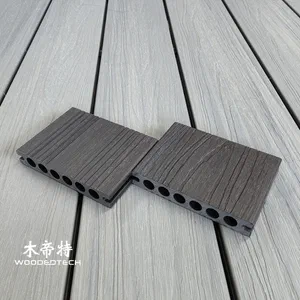 GD13823-3 Walnut WN Co Extruded Decking Features a Dark Rich Color That Helps Resist Visible Dirt and Stains
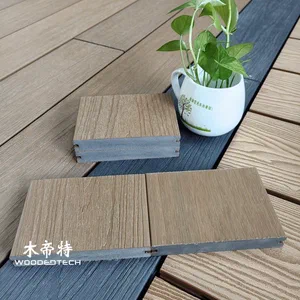 The GD14020S Composite Decking on Sale Features a Solid Core Structure Designed to Withstand Extreme Outdoor Temperature Changes and Freezing Conditions