
Optimal Composite Decking Joist Spacing: Guidelines for 2023 and Beyond

Optimal composite decking joist spacing is crucial for ensuring the structural integrity and performance of your deck. The design of wood-plastic composite (WPC) profiles, including their hollow or solid structures, rib designs, and surface patterns, significantly influences factors such as strength, weight, cost, and ease of installation. Understanding these elements is essential for achieving a durable and efficient decking solution.
Influence of Profile Design on Strength and Weight
The choice between hollow and solid WPC profiles plays a major role in the overall strength and weight of the decking. Hollow profiles are generally lighter, which can reduce shipping costs and installation labor. However, they may not provide the same level of strength as solid profiles, especially under heavy loads. On the other hand, solid profiles offer superior durability and resistance to bending or warping, making them suitable for high-traffic areas or environments with extreme weather.
Rib designs within the profiles can enhance strength without significantly increasing weight. By strategically placing ribs in the extrusion process, manufacturers can create a balance between weight reduction and structural support. This design consideration is particularly important in applications where deck joist spacing is critical, as it directly affects how weight is distributed across the surface.
Cost Implications of Different Structures
Cost is a significant factor when selecting WPC profiles for decking. Hollow profiles are typically more economical due to their reduced material usage and lower shipping weights. This makes them attractive for budget-conscious projects. However, selecting a hollow profile might lead to higher maintenance costs over time if the strength and durability are not sufficient for the intended use.
Solid profiles, while more expensive initially, can offer long-term savings. Their durability often results in lower maintenance costs and a longer lifespan, making them a wise investment for homeowners and builders alike. When planning joist spacing, it’s crucial to weigh these cost considerations against performance requirements to ensure the best value for the investment.
Surface Patterns and Their Role in Performance
The surface pattern of WPC decking affects not only the aesthetic appeal but also the performance characteristics of the material. Textured surfaces can improve slip resistance, making decks safer, especially in wet conditions. This is particularly important for outdoor spaces where safety is a top priority.
Additionally, surface patterns can influence the maintenance level required. Smooth surfaces may be easier to clean but can become slippery when wet. In contrast, embossed or textured surfaces may retain dirt and debris more, necessitating more frequent cleaning. Understanding these trade-offs is essential when selecting the appropriate surface pattern based on the intended use of the deck.
Installation Considerations

When it comes to installation, the type of WPC profile and its design can greatly influence the ease and speed of the process. Hollow profiles tend to be lighter and easier to handle, which can expedite installation times. However, proper joist spacing is critical to ensure that the decking can support the intended loads. Manufacturers typically provide guidelines for optimal joist spacing based on the profile and expected use, which should be closely followed to prevent structural issues.
Solid profiles, while heavier and potentially more challenging to install, may require less frequent joist spacing due to their inherent strength. Properly adhering to spacing recommendations can result in a deck that performs well under a variety of conditions.
Making informed choices about WPC profile designs, including hollow versus solid structures, rib designs, and surface patterns, is essential for achieving the desired balance of strength, weight, cost, and installation performance in composite decking. Each element plays a vital role in the overall success of the decking project, influencing both immediate and long-term outcomes.
Related Articles
 Composite Deck Nosing Provides Professional Edge Finishing Solutions for Outdoor Decking Projects
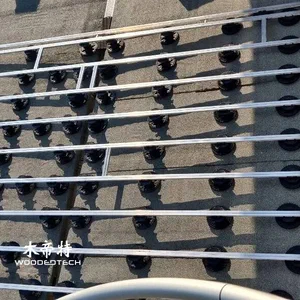 Composite Decking Spacing Between Joists: Industry Standards and Best Practices
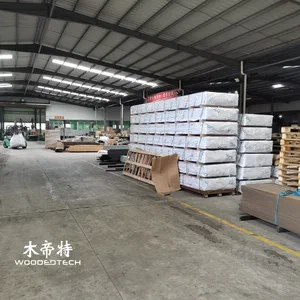 Composite Deck Thickness: Key Selection Criteria for Industrial Projects
 14' Composite Deck Boards Provide Long Length Options for Large Outdoor Decking Installations
Related Products
 GD13820 M Shape Co Extruded Composite Deck Planks Feature a Special Profile Design for Distinctive Outdoor Decking Applications
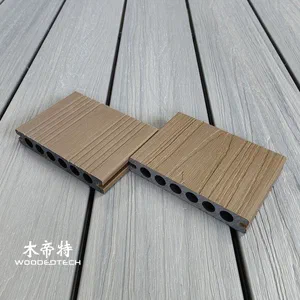 GD13823-3 Teak TK Co Extruded Decking Is a Popular Choice from Composite Decking Suppliers for Outdoor Flooring Projects
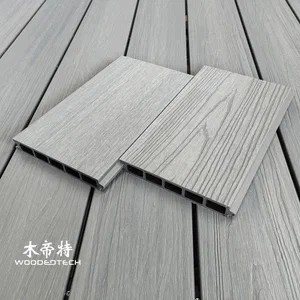 3DGL18024 Composite Decking Fence Features Premium Co Extruded 3D Embossed Antique Wood Grain Texture with Realistic Natural Wood Fibers