
Non Grooved Composite Decking: A Durable Solution for Commercial Applications
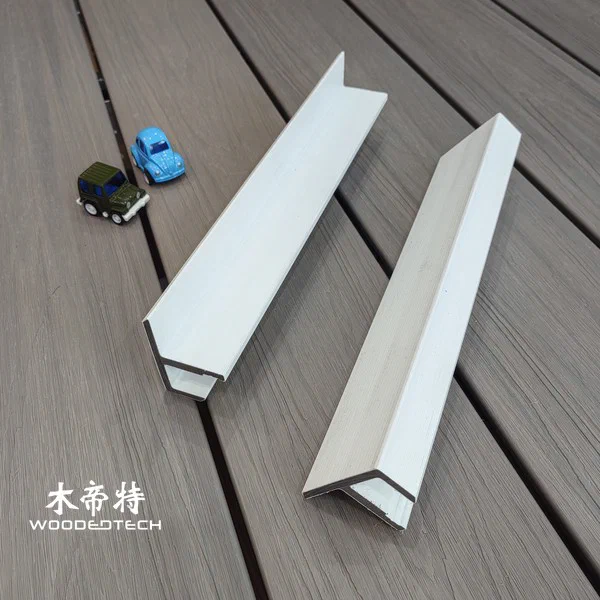
Non-grooved composite decking is a practical flooring solution for commercial outdoor spaces that require durability, a clean appearance, and manageable maintenance. With a smooth, flat surface and the structural benefits of wood plastic composite (WPC), it is suitable for hotels, shopping centers, restaurants, public parks, office buildings, and other high-traffic environments. When properly specified and installed, it provides a consistent outdoor flooring surface that combines the appearance of natural timber with the advantages of modern composite materials.
Why Choose Non-Grooved Composite Decking for Commercial Projects?
Unlike grooved composite decking, non-grooved boards feature a flat or smooth surface without longitudinal grooves along the exposed face. This design creates a more streamlined appearance, making it particularly suitable for contemporary commercial architecture and landscape projects.
One practical advantage is easier routine cleaning. Dirt, leaves, and other debris are less likely to become trapped in surface grooves, helping maintenance teams clean large deck areas more efficiently. This can be valuable in hotels, restaurants, commercial terraces, and public facilities where appearance and cleanliness directly affect the visitor experience.
Durability is another important consideration. Quality WPC decking combines wood fibers with thermoplastic materials and additives to produce boards designed for outdoor exposure. Depending on the formulation and surface treatment, non-grooved composite decking can offer resistance to moisture, UV exposure, decay, and insect damage. It also avoids some of the regular sanding, staining, and sealing associated with traditional timber decking.
For commercial buyers, these characteristics can help reduce ongoing maintenance requirements and support more predictable long-term facility management.
Recommended Commercial Applications
Hotels and resorts are among the most suitable applications for non-grooved composite decking. Hotel terraces, outdoor dining areas, rooftop lounges, and landscaped relaxation zones benefit from its clean architectural appearance. For these projects, selecting colors that complement exterior walls, glass railings, and outdoor furniture can create a coordinated design. Around restaurant seating areas, specify products with suitable slip resistance and establish a regular cleaning schedule to manage food and beverage spills.
Shopping centers and commercial buildings can use non-grooved WPC decking for outdoor walkways, entrance platforms, pedestrian plazas, and rooftop recreational areas. These locations often experience frequent pedestrian traffic, so the decking should be selected according to its tested load capacity, wear resistance, and installation requirements. A stable substructure and appropriate joist spacing are essential to prevent excessive movement or deformation.
Office buildings can incorporate composite decking into employee break areas, outdoor meeting spaces, balconies, and landscaped terraces. Neutral wood tones work particularly well with modern glass, concrete, and metal architecture. For elevated installations, project engineers should verify the supporting structure, drainage arrangements, wind exposure, and applicable building regulations before specifying the decking system.
Residential Gardens, Balconies, and Swimming Pool Areas
Although this article focuses on commercial applications, non-grooved composite decking also offers practical benefits in residential landscaping.
In residential gardens, it can create patios, outdoor dining platforms, garden pathways, and seating areas. Its consistent surface appearance works well with planting beds, pergolas, outdoor kitchens, and garden furniture. For garden projects, consider colors that complement the surrounding landscape rather than selecting decking solely for its resemblance to natural wood.
Balconies are another suitable application, particularly in apartments, serviced residences, and mixed-use developments. WPC decking can improve the appearance of concrete balcony floors while creating a warmer outdoor living environment. However, balcony installations require careful attention to drainage, ventilation, finished floor height, and waterproofing. The decking should never obstruct existing drainage outlets or compromise the building’s waterproofing system.
Swimming pool surroundings require more careful product selection. Non-grooved decking can create an attractive transition between pool edges, outdoor lounges, and landscaped areas. However, a smooth appearance does not automatically mean a slip-resistant surface. Specify boards with independently tested wet-slip performance appropriate for poolside use. Proper drainage, barefoot comfort, and resistance to chlorine or other pool chemicals should also be considered.

Parks, Public Facilities, and Landscape Projects
Public parks, waterfront promenades, botanical gardens, and recreational facilities can benefit from WPC decking when the selected product meets the project’s structural and environmental requirements.
In parks, non-grooved decking can be used for viewing platforms, garden walkways, outdoor seating platforms, and landscape bridges. Its uniform appearance helps create visually consistent public spaces. For projects exposed to rain, standing water, or changing temperatures, designers should prioritize drainage performance, slip resistance, dimensional stability, and suitable expansion allowances.
Public facilities such as community centers, exhibition venues, schools, and outdoor recreation centers may also incorporate composite decking into entrance platforms, courtyards, and pedestrian areas. These projects should use products with documented mechanical performance and appropriate fire classification where required by local regulations.
For heavily used public spaces, engineers should pay particular attention to the decking’s load-bearing performance, subframe strength, fixing system, and resistance to repeated pedestrian traffic. Selecting a board based only on appearance or initial purchase price can lead to unnecessary maintenance and premature replacement.
Installation and Product Selection Considerations
Successful commercial decking projects depend on more than the board itself. The installation system must be designed around the site’s actual conditions.
Key considerations include:
- Board construction: Solid composite decking may be appropriate for applications requiring greater rigidity, while hollow profiles can reduce material weight when their structural performance meets project requirements.
- Surface performance: Check slip-resistance test results, especially for wet areas, public walkways, and swimming pool surroundings.
- Substructure: Select compatible joists, support spacing, fasteners, and fixing accessories according to manufacturer specifications.
- Drainage and ventilation: Provide adequate water runoff and airflow beneath the decking to reduce moisture accumulation.
- Thermal expansion: Allow for the expansion and contraction associated with temperature changes, following the manufacturer’s installation guidelines.
- Color and finish: Choose UV-resistant products and coordinate the decking color with the surrounding architecture and landscape.
For large commercial developments, it is also advisable to request technical datasheets, installation manuals, samples, and relevant performance test reports before finalizing the specification. Mock-up installations can help architects, contractors, and developers evaluate the actual appearance and installation details.
Non-grooved composite decking offers commercial developers and landscape designers a combination of clean aesthetics, practical maintenance, and outdoor durability. From hotel terraces and office rooftops to public walkways, residential gardens, and poolside platforms, its applications are broad. The best results come from matching the board construction, surface characteristics, and installation system to the specific demands of each project.
Related Articles
 High-Performance WPC Deck Paneling for Seamless Outdoor Grounding
 Composite decking weight helps customers choose suitable materials for different construction needs
 10 x 16 composite deck cost depends on design materials and installation requirements
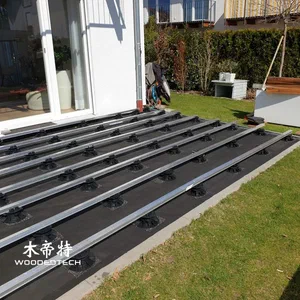 quality composite decking delivers reliable outdoor flooring solutions with long lasting performance
Related Products
 GD13820 M Shape Co Extruded Composite Deck Planks Feature a Special Profile Design for Distinctive Outdoor Decking Applications
 GD13823 Double Sided Flat Surface Co Extruded WPC Decking Features a Popular Width and Thickness with Round Hollow Structure
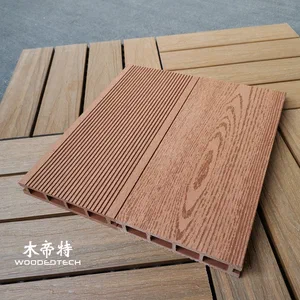 The Classic D14025-4 Red Wood WPC Wood Sheet Features a Timeless 2D Flat Wood Grain Design That Remains Popular After Twenty Years