
Most Popular Composite Deck Color Trends for Modern Architecture
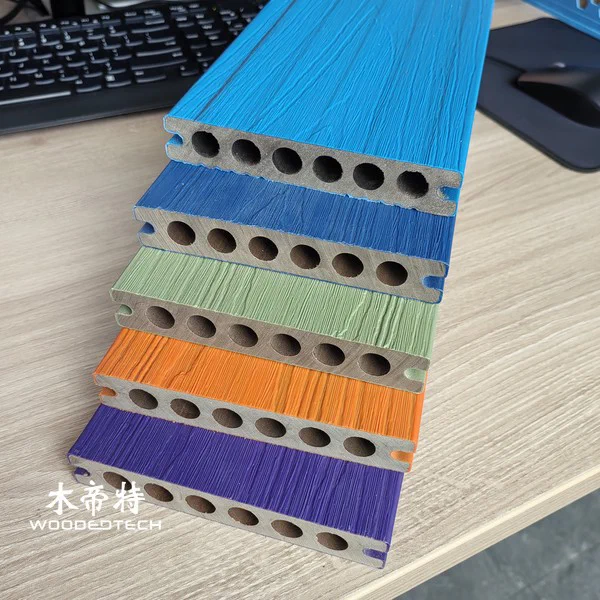
Composite deck color trends for modern architecture are shifting toward cleaner, more grounded palettes that support contemporary building lines. For developers, contractors, and specifiers, the right composite deck colors can strengthen facade coordination, reduce visual clutter, and improve long-term project value.
Neutral tones lead modern specifications
In commercial and residential developments alike, gray remains the most requested option because it works across steel, glass, stone, and concrete exteriors. Warm taupe, sand, and weathered oak tones are also gaining share, especially where architects want a softer, more natural look without losing a modern edge. These shades help create continuity between indoor-outdoor living zones and make large deck areas feel calmer and more refined.
Black and deep charcoal are another strong trend, particularly for rooftop terraces, hospitality decks, and premium amenity spaces. They deliver a sharp contrast against light facades and landscaping, while also creating a strong visual frame for contemporary architecture. When paired with capped composite decking, these darker colors can be easier to maintain in demanding projects because the surface is designed for better stain and fade resistance.
Wood-inspired finishes still matter

This matters in B2B sourcing because color affects more than style. It influences how material batches are matched, how edge trims are selected, and how the final deck performs under different light conditions. For large-scale projects, consistent composite decking colors across boards, steps, and railing components can make the installation look more premium and better coordinated.
How buyers choose the right color
For commercial buyers, the best color is usually tied to site conditions and brand identity. Dark colors suit high-end hospitality and urban developments, while lighter tones are often preferred for coastal, poolside, or sun-exposed environments where heat reflection is a practical concern. Specifiers also look at maintenance expectations, slip resistance, and how the deck color will age beside exterior cladding and landscaping.
A practical shortlist often includes:
- Cool gray for minimalist architecture
- Charcoal for bold, premium projects
- Teak and walnut tones for natural warmth
- Sand and beige for bright, open outdoor areas
Choosing from a reliable range of composite deck colors helps project teams balance aesthetics with durability, procurement efficiency, and long-term performance.
FAQ
Q: Which composite deck colors are most popular in modern architecture? A: Gray, charcoal, teak, and warm taupe are the most common choices. They fit clean architectural lines and pair well with metal, glass, and stone.
Q: Do darker composite decking colors fade faster? A: Quality capped products are designed to resist fading better than older materials. Darker colors may still show surface dust more easily, so maintenance planning matters.
Q: How should B2B buyers select a deck color for a project? A: Match the deck to facade materials, sunlight exposure, and the project’s brand image. It also helps to review samples under natural light before final approval.
Related Articles
Related Products
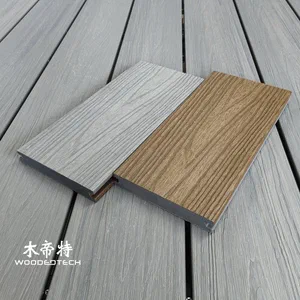 Second Generation Two Color Co Extruded 3D Embossed 3DGD14023S Composite Wood Deck Boards Feature an Extremely Realistic Antique Wood and Teak Grain Texture
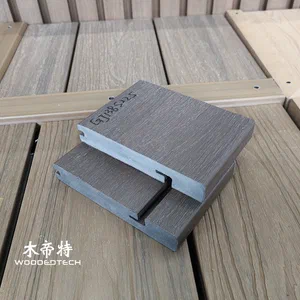 GD13822.5S Fully Capped Solid Starter Wood Polymer Composite Decking Provides a Stable Starting Structure for the First Decking Board
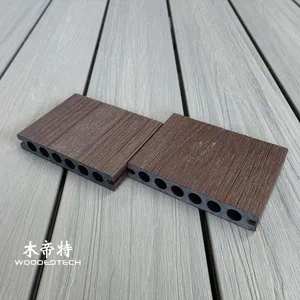 GD13823-3 Redwood Color Round Hole Co Extrusion Decking Composite Decking Brings Classic Chinese Red Style to Outdoor Flooring Projects