
Modern wpc flooring design Trends for Commercial & Residential Projects
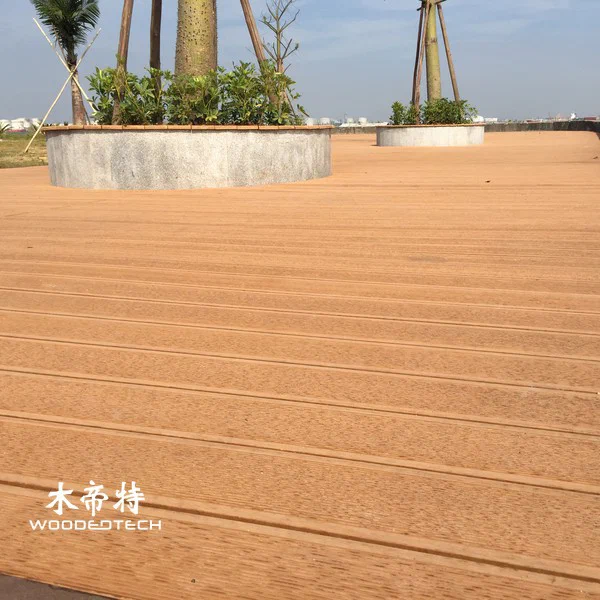
Modern wpc flooring design is now a practical choice for commercial and residential projects that need a clean look, stable performance, and lower maintenance. Buyers choose it for its wood-like appearance, moisture resistance, and consistent quality across large installations.
Why WPC Flooring Fits Modern Projects
WPC flooring combines wood fibers and polymers to create a durable surface that suits offices, retail spaces, hospitality venues, apartments, and private homes. For developers and contractors, it offers a balanced option between visual appeal and day-to-day practicality, especially where traffic, spills, and frequent cleaning are part of the environment.
Design trends are moving toward natural textures, wider planks, matte finishes, and realistic grain patterns. These details help flooring feel warmer and more architectural, while still supporting efficient installation and predictable supply for commercial schedules. In many projects, the goal is not just style, but a material that can hold up under repeated use without constant repair.
Key Design Trends
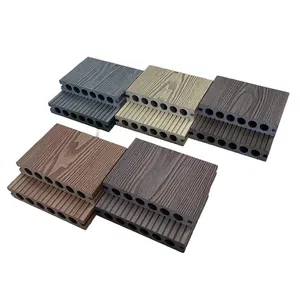
Current wpc flooring design trends focus on flexible aesthetics that work in mixed-use spaces and modern interiors. Neutral tones such as oak, walnut, ash, and grey-brown remain popular because they pair easily with furniture, lighting, and wall finishes.
Common directions include:
- Larger plank formats for a more open, premium look
- Embossed surfaces for better wood realism
- Low-gloss finishes that reduce reflections in commercial interiors
- Water-resistant construction for kitchens, lobbies, and residential entry areas
- Coordinated flooring systems that support stairs, trims, and transitions
For commercial projects, specifiers often prioritize consistency across batches and the ability to match flooring with other materials such as wall panels, aluminum details, or decorative screens. For residential projects, the focus is usually on comfort, easy upkeep, and a modern appearance that works across open-plan spaces.

What Buyers Should Evaluate
A good WPC flooring specification should be based on more than color. Thickness, wear layer, locking system, slip resistance, and installation method all affect long-term value. Projects in humid or high-traffic environments should also review dimensional stability and surface protection carefully.
If the flooring is for export or bulk procurement, it helps to confirm factory capacity, lead time, packaging standards, and whether the supplier can provide consistent customization. This is especially important for distributors, importers, and project buyers managing multiple sites.
Choosing the Right Supplier
The strongest results usually come from manufacturers that understand both design and performance requirements. Look for product options that support modern visual trends, reliable delivery, and technical documentation for commercial use. A supplier with broad WPC experience can also help coordinate flooring with matching cladding or outdoor products for a unified project language.
FAQ
Q: Is WPC flooring suitable for commercial use? A: Yes. It works well in offices, hotels, shops, and public areas because it combines durability with a clean, modern appearance.
Q: What design styles are most popular now? A: Natural wood tones, wide planks, and matte embossed finishes are currently the most requested options.
Q: Why do buyers choose WPC over traditional wood? A: WPC offers easier maintenance, better moisture resistance, and more consistent performance for large-scale projects.
Related Articles
Related Products
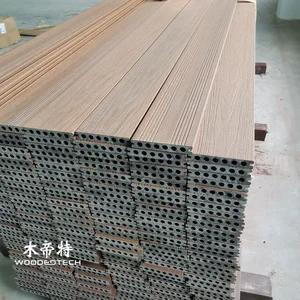
 3D14025-2 3d flooring with six round holes and embossed surface design is widely exported worldwide for outdoor applications
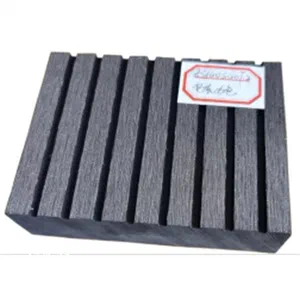 D14040-3S 40mm Thick Square Solid Plastic Wood Composite Flooring Without Side Grooves
 3D14025-2-SW dark grey waterproof flooring that looks like wood features round holes strong support clear wood grain and beautiful 3D effects