
Modern WPC Cladding Design and Architectural Wall Solutions
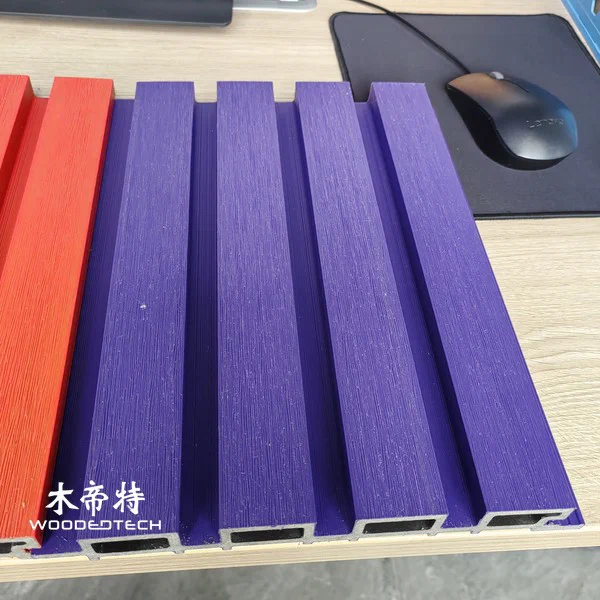
Modern WPC cladding design gives commercial buildings a cleaner facade, faster installation, and lower maintenance than traditional timber. For architects, contractors, and distributors, it is a practical exterior wall solution that combines visual consistency with weather resistance.
Why WPC Cladding Fits Modern Projects
WPC cladding is widely used on offices, retail buildings, hospitality facades, and industrial premises because it balances appearance and performance. The material is made from wood plastic composite, which helps reduce issues commonly seen with natural wood, such as warping, rotting, and frequent repainting. It also supports a broad range of profiles, from smooth contemporary boards to textured finishes that mimic timber grain.
For B2B buyers, the value is not only aesthetic. Reliable exterior wall cladding can improve project efficiency by simplifying sourcing, reducing replacement cycles, and meeting the needs of large-scale developments where consistency matters. That is why many specifiers now consider wpc wall cladding and exterior wall panel systems early in the design stage.
Design Options for Architectural Walls
Modern architectural wall solutions go beyond plain coverings. Today’s wpc wall panel design options include horizontal lines, fluted surfaces, and 3d wpc wall cladding styles that create depth and shadow on the facade. These designs work well for feature walls, entrance zones, balconies, and screened service areas.

- uniform color across batches
- UV resistance for long-term outdoor use
- moisture resistance for exposed elevations
- easy cutting and fixing on site
- matching trims and corner profiles
For commercial projects, this flexibility allows designers to keep a consistent visual language across different buildings while still adapting to local climate and installation conditions.
Performance and Procurement Considerations
When comparing cladding systems, buyers should review wall thickness, surface treatment, fire performance, and installation method. A dependable wpc wall panel supplier can provide technical data, loading guidance, and finish samples before mass production. This is especially important for export projects, where specification accuracy affects both customs handling and project acceptance.
If you are sourcing for wholesale or OEM supply, ask about color stability, packaging for long-distance shipping, and the supplier’s capacity for custom dimensions. Good documentation helps reduce delays during installation and supports smoother project coordination between designers, contractors, and distributors.
Choosing the Right Solution
The best exterior wall system is the one that fits the building’s use, climate, and budget. For developers who want a modern look with less upkeep, WPC cladding is a strong option. It delivers a professional finish while supporting large-volume procurement and repeatable results across multiple sites.
FAQ
Q: What makes WPC cladding suitable for commercial buildings? A: It offers a stable, low-maintenance exterior surface that works well in demanding weather conditions. It also provides a clean architectural finish without the upkeep of natural wood.
Q: Can WPC wall panels be used for both exterior and decorative applications? A: Yes, many products are designed for exterior facades, feature walls, and screened architectural details. The key is choosing the right profile and finish for the project environment.
Q: What should B2B buyers request from a WPC cladding supplier? A: Buyers should ask for technical specifications, finish samples, installation guidance, and production capacity details. This helps ensure the product meets project and export requirements.
Related Articles
Related Products
 B14011 WPC Paneling Sheets Feature Double Flat Surfaces with Heat Pressed Wood Grain Designs for Outdoor Styles
 B7112 WPC Panel Design Exterior Boards Offer Stocked Fence Strips for Outdoor Decoration and Edge Finishing
 WPC Decking Accessories Provide Complete Installation Components for Professional Outdoor Flooring Projects