
Modern Prefab Modular wpc panel house Construction and Design
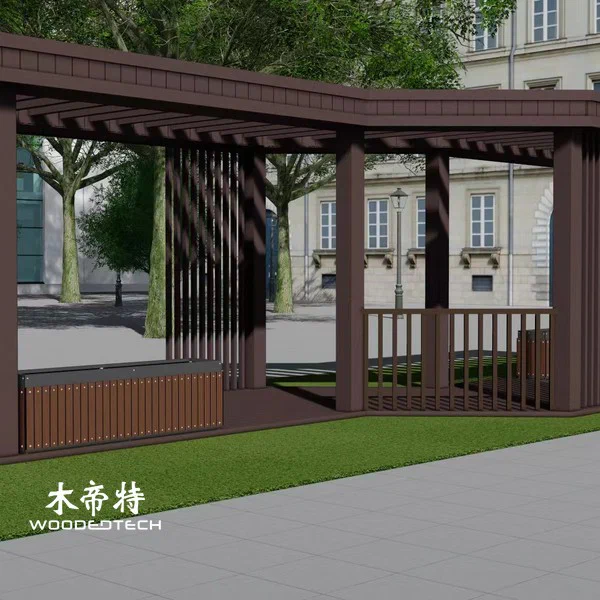
Modern prefab modular wpc panel house construction combines factory-built speed with durable, low-maintenance materials suited to commercial projects. For industrial buyers, it offers a practical way to deliver housing, offices, site accommodation, and remote facilities with better schedule control and consistent finish quality.
What Makes Modular WPC Panel Housing Different
A prefab modular wpc panel house is built from standardized wall, floor, and roof components that are manufactured off site and assembled quickly on location. This approach reduces weather delays, improves production consistency, and makes it easier to plan labor, logistics, and project timelines.
WPC, or wood plastic composite, is valued for its stable performance in exterior use. It resists moisture better than traditional timber, supports clean architectural lines, and can be specified in a range of textures and colors to match modern industrial design requirements. That makes it suitable for modular dormitories, temporary offices, worker housing, and expansion units.
Design Benefits for B2B Projects

Design teams can also use WPC panels to improve the appearance of utilitarian buildings without adding much maintenance burden. Exterior wall surfaces can be coordinated with cladding, louvers, and decorative screen elements for a more finished look. This is especially useful for projects that need to look professional while still meeting budget and installation targets.
Construction and Material Performance
Prefab modular construction shortens on-site work because most fabrication is completed in controlled factory conditions. Electrical pathways, openings, and structural interfaces can be preplanned, which reduces rework during installation. For buyers managing multi-site rollouts, that means better cost predictability and faster deployment.
WPC panel systems are also attractive because they are designed for long service life in demanding environments. They do not require the same routine painting or sealing as timber, and they perform well in humid, coastal, or high-traffic settings. When paired with proper framing and connection details, they help create a dependable building envelope with efficient installation and maintenance.
Choosing the Right Supplier
Industrial buyers should evaluate panel thickness, surface finish, fire performance, and compatibility with the modular frame before placing orders. It also helps to confirm factory capacity, export packaging standards, and support for custom dimensions or private-label requirements.
A strong supplier should provide technical drawings, installation guidance, and clear material specifications so the project can move smoothly from design to delivery. For overseas buyers, this reduces procurement risk and makes scaling future orders easier.
FAQ
Q: Where is prefab modular wpc panel house construction used most often? A: It is commonly used for worker housing, temporary offices, site camps, classrooms, and remote project facilities. These applications benefit from fast installation and repeatable quality.
Q: Is WPC suitable for exterior modular walls? A: Yes, WPC is widely used for exterior wall applications because it handles moisture well and maintains a consistent appearance. Proper framing and installation details are still important for long-term performance.
Q: Can modular WPC panel houses be customized? A: Yes, most systems can be tailored in layout, color, surface texture, and panel size. Buyers can also request project-specific configurations for different site conditions.
Related Articles
Related Products
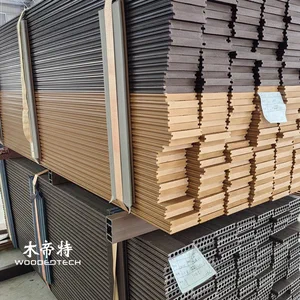
 B17010 Plastic Wood Look Siding Provides Decorative Thin Boards for Modern Outdoor Wall Applications
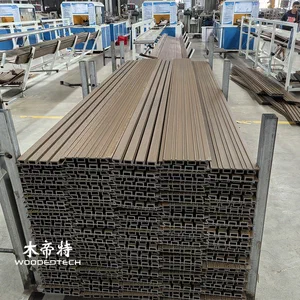
 B7112 WPC Panel Design Exterior Boards Offer Stocked Fence Strips for Outdoor Decoration and Edge Finishing
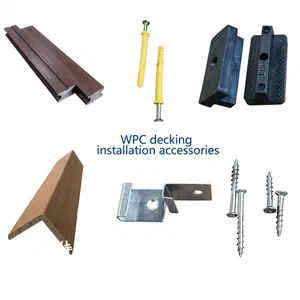
 WPC Wall Panel Accessories Offer Complete Solutions with Various Common and Specialized Installation Parts