
Modern Plastic Wood House Design & Sustainable Prefab Living
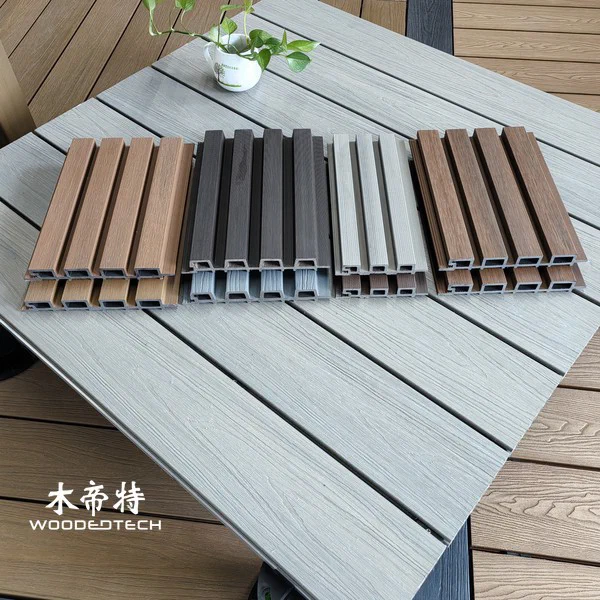
Modern plastic wood house design combines the warm look of timber with the practical performance of wood plastic composite materials. For developers, contractors, and prefab housing buyers, it offers a durable, low-maintenance way to build attractive homes that support faster delivery and more consistent quality.
Why plastic wood fits modern prefab housing
In prefab construction, material stability matters as much as appearance. Wood plastic composite resists moisture, rot, insects, and everyday wear better than natural wood, making it suitable for exterior walls, cladding, decks, balconies, and privacy features in modular housing projects. It also helps reduce on-site finishing work, which supports tighter schedules and cleaner installation.
Design value without heavy upkeep
A modern plastic wood house can achieve a natural, architectural look while keeping maintenance predictable. Buyers can choose from wood-grain textures, neutral colors, and refined profiles that suit residential communities, resort villas, employee housing, and commercial living spaces. Compared with painted timber, these surfaces do not require frequent sanding, sealing, or repainting.
The material also supports consistent batch production, which is important for B2B procurement. When the same profile is repeated across multiple units, the result is easier to standardize for quality control, logistics, and long-term replacement planning. That makes it a practical option for prefab developers who need both visual continuity and repeatable performance.
Sustainable performance for long-term projects

For suppliers and buyers, this makes plastic wood a strong fit for sustainable composite building products. It works well in façade systems, outdoor flooring, screening, and railing applications where weather exposure is high and reliability matters. The result is a building envelope that looks premium while staying practical in real operating conditions.
What buyers should evaluate
- UV resistance and color stability
- Load performance and dimensional consistency
- Installation method for prefab assembly
- Surface texture and slip resistance
- Available customization for OEM projects
Choosing the right supplier
A qualified OEM or factory-direct manufacturer should provide stable material formulas, tested profiles, and clear installation guidance. For bulk buyers, product consistency, lead time, and customization capability often matter more than a low initial price. The best sourcing decisions balance appearance, durability, and project-specific requirements.
FAQ
Q: Is plastic wood suitable for full house construction? A: It is best used for exterior and semi-exterior components such as cladding, decking, screens, and railings. Structural framing still requires approved building materials.
Q: Why is WPC popular in prefab projects? A: It offers a wood-like look with better resistance to weather and lower maintenance needs. That makes it efficient for repeated prefab production.
Q: Can plastic wood support sustainable development goals? A: Yes, especially when it uses recycled content and reduces replacement cycles. It helps lower waste and supports longer service life in outdoor applications.
Related Articles

Related Products
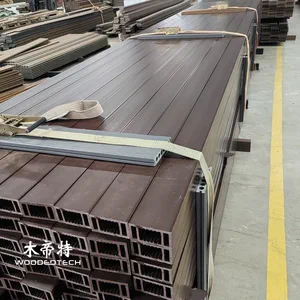
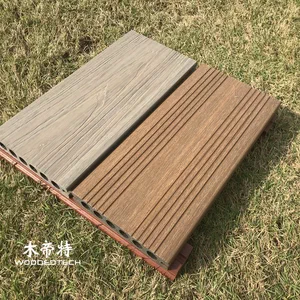 GD13823-3 Second Generation Co Extruded Wood Plastic Composites With High Quality Stable Performance For Premium Outdoor Applications
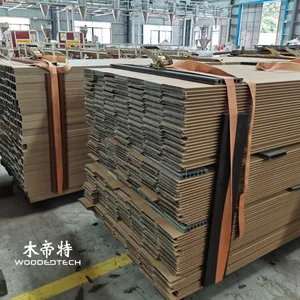
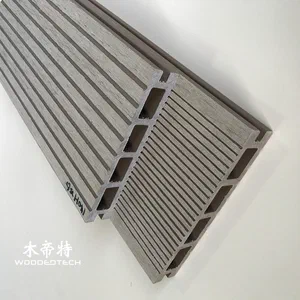 D14025-3 Composite Lumber for Decks Features a Classic Double Sided Groove Design with Excellent Value for Outdoor Projects
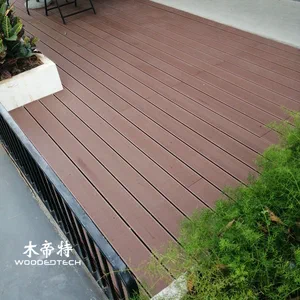
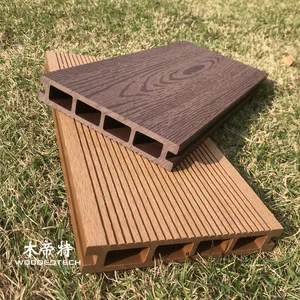 D14025-4 Composite for Decking Provides Stable Performance and Reliable Quality as a Popular Choice for Outdoor Projects