
Modern Fluted WPC Wall Panel: Tongue-and-Groove Decorative Siding
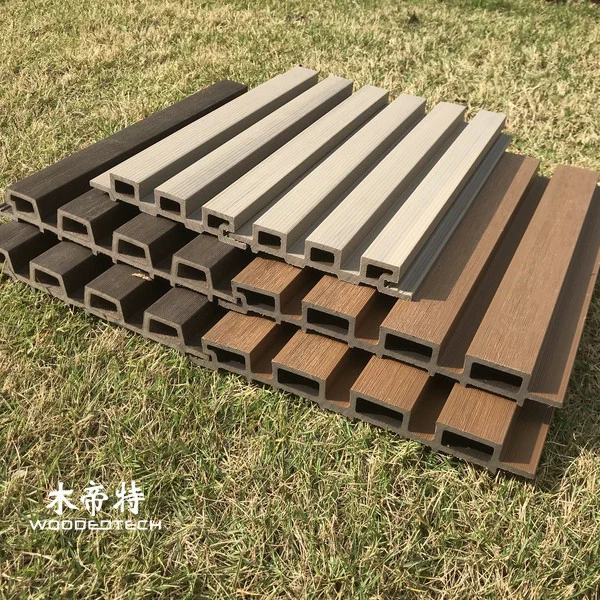
Modern Fluted WPC Wall Panel: Tongue-and-Groove Decorative Siding
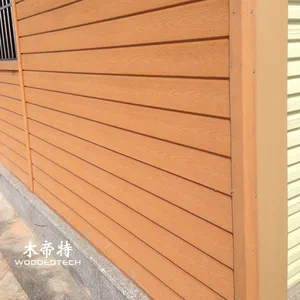
Modern fluted WPC wall panel is a practical decorative siding option for commercial and industrial projects that need a clean architectural finish with low upkeep. Its tongue-and-groove profile creates a tight, continuous surface that is easier to install, looks refined at scale, and supports consistent exterior branding across buildings, showrooms, hospitality spaces, and project developments.
Unlike traditional timber, WPC combines wood fibers and polymer materials to improve stability, moisture resistance, and dimensional consistency. That makes it a stronger fit for facades exposed to humidity, rain, and daily wear. For buyers sourcing at volume, this type of panel also helps standardize appearance across multiple sites while reducing maintenance demand over the product life cycle.
Why Buyers Choose Fluted WPC Siding
The fluted surface adds depth and shadow lines without relying on complicated finishing work. It gives exterior walls a modern rhythm that works well for retail fronts, office buildings, warehouses with customer-facing zones, and residential developments looking for a more premium look. Tongue-and-groove joining also supports a neat installed appearance and helps reduce visible gaps.
Key advantages include:
- Stable performance in outdoor conditions
- Lower maintenance than painted wood
- Uniform profiles for faster installation
- Strong visual texture for contemporary facades
- Suitable for large-area cladding projects
For procurement teams, the value is not only visual. WPC wall panel systems can simplify logistics because standard lengths, repeatable profiles, and coordinated accessories make project planning more predictable. That matters when schedules are tight and installation teams need a product that performs consistently from batch to batch.

Applications in Commercial Projects
Modern fluted WPC wall panel works especially well where exterior design and durability must align. It is commonly used for building facades, entrance walls, column wrapping, corridor finishes, and feature surfaces around public-facing areas. When matched with other exterior WPC products, it can create a unified design language across the whole site.
The material is also attractive for exporters and distributors looking for a versatile SKU. One panel format can serve multiple project types, from hospitality upgrades to industrial park developments. Buyers often ask for custom colors, widths, and surface finishes, which makes OEM and private-label supply an important part of the category.
Specification Points to Review
Before placing a bulk order, confirm the structural and visual details that affect installation and performance:
- Panel width, thickness, and coverage area
- Surface texture and fluted depth
- UV resistance and color fastness
- Fire performance requirements by market
- Matching trims, corners, and end caps
- Loading quantity and packaging method
A reliable supplier should provide clear technical data, installation guidance, and samples for approval. That reduces risk during bidding, helps align expectations across stakeholders, and supports smoother project execution.
FAQ
Q: Is fluted WPC wall panel suitable for outdoor use? A: Yes. It is designed for exterior applications and performs well in weather-exposed environments when installed correctly.
Q: What is the main benefit of tongue-and-groove siding? A: It creates a tighter, cleaner joint that improves appearance and helps speed up installation on large wall areas.
Q: Can WPC wall panels be customized for OEM projects? A: Yes. Many manufacturers offer custom sizes, colors, and packaging for wholesale and project-based orders.
Related Articles
Related Products
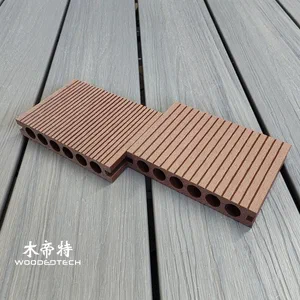 D14025-5 First Generation Large And Small Groove Redwood Color WPC Panel Material With Popular Outdoor Appearance
 B14011 WPC Paneling Sheets Feature Double Flat Surfaces with Heat Pressed Wood Grain Designs for Outdoor Styles
 B7112 WPC Panel Design Exterior Boards Offer Stocked Fence Strips for Outdoor Decoration and Edge Finishing