
Modern Composite Deck Examples and Outdoor Design Inspiration
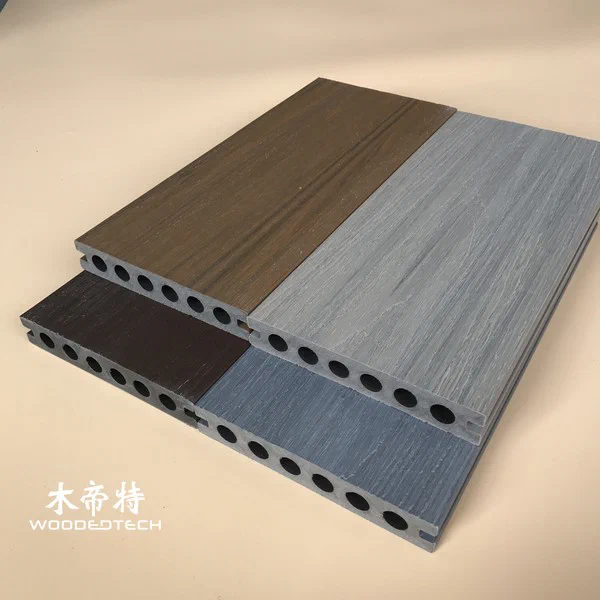
Modern composite deck designs give industrial buyers a practical way to improve outdoor spaces without the maintenance demands of natural timber. For developers, contractors, and distributors, the right composite deck system can deliver consistent appearance, better weather resistance, and easier long-term service planning.
Why composite deck designs are gaining traction
Composite decking is now used across commercial terraces, hospitality roofs, housing projects, and public amenity areas because it balances appearance and performance. Compared with traditional wood, it offers more stable color, better resistance to moisture, and fewer issues tied to splintering, warping, or repainting.
For B2B projects, that means lower lifecycle cost and simpler handover. Buyers also value the broad range of composite deck colors and finishes, which makes it easier to match façade systems, railings, and outdoor furniture across an entire site.
Design directions that work in real projects
One common approach is a clean, linear deck layout with concealed fixing and matching fascia boards. This creates a neat visual line for hotels, office terraces, and residential club areas. Another strong option is using contrasting tones to define zones, such as darker dining spaces and lighter circulation paths.
Composite deck ideas also work well when combined with:
- low maintenance composite railing for safety and visual continuity
- composite pergola structures for shade and comfort
- slip-resistant composite stairs and step risers for level changes
- exterior cladding or wall panels to unify the outdoor palette

What buyers should evaluate before specifying
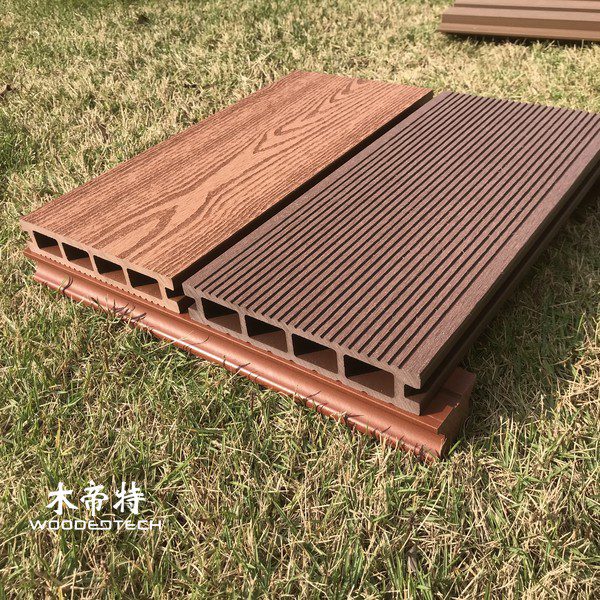
Not all systems are equal, so product selection should focus on the actual application. High-traffic areas need stronger surface durability, reliable grip, and consistent board quality. Poolside and rooftop uses should prioritize moisture resistance and safety under wet conditions.
Specifiers should also check installation method, joist compatibility, board profile, and available accessories. A good supplier should be able to support sampling, technical drawings, and commercial quantities with stable lead times. That is especially important for export buyers and OEM clients working to fixed project schedules.
A stronger fit for modern outdoor spaces
Modern composite decking supports more than visual appeal. It helps project teams deliver outdoor areas that are easier to maintain, more predictable over time, and better aligned with contemporary building standards. For wholesale buyers and contractors, that combination makes composite deck systems a practical choice for repeat orders and long-term project work.
FAQ
Q: Where is composite decking most often used in B2B projects? A: It is commonly used on hotel terraces, apartment balconies, rooftop lounges, pool surrounds, and commercial outdoor seating areas.
Q: What makes composite decking attractive for buyers? A: It offers a wood-like look with lower maintenance and better resistance to weather-related damage. That makes budgeting and upkeep easier for commercial properties.
Q: Can composite decks be paired with other outdoor products? A: Yes. They are often matched with railings, pergolas, cladding, and stair systems to create a coordinated outdoor design.
Related Articles
Related Products
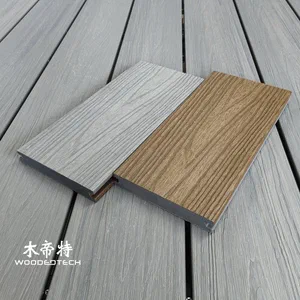 Second Generation Two Color Co Extruded 3D Embossed 3DGD14023S Composite Wood Deck Boards Feature an Extremely Realistic Antique Wood and Teak Grain Texture
 GD13823-3 Redwood Color Round Hole Co Extrusion Decking Composite Decking Brings Classic Chinese Red Style to Outdoor Flooring Projects
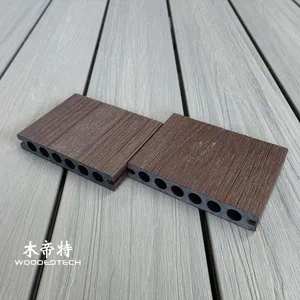
 3D15023 150mm Width 23mm Thickness Round Hole 3D Embossed Chocolate Color Outdure Composite Decking Creates Elegant Outdoor Spaces