
Maximizing ROI with Lifetime Composite Decks: The Future of Durable Outdoor Solutions
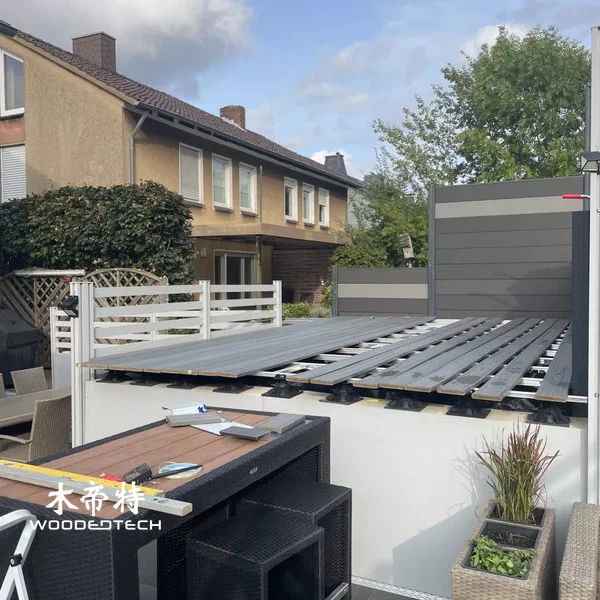
Designing high-performance outdoor wood plastic composites (WPC) for applications like decking, wall cladding, fencing, pergolas, and landscape products involves a careful balance of materials, additives, and cost considerations. Achieving durability, aesthetics, and longevity while keeping production costs in check is crucial for maximizing return on investment (ROI).
Understanding the Composition
The core of any WPC formulation is the blend of wood fibers and plastic. Typically, the ratio of wood to plastic can range from 30% wood fiber to 70% plastic, up to 70% wood fiber and 30% plastic, depending on the desired characteristics of the final product. Higher wood content often results in better aesthetics and a more natural feel, but can also lead to increased susceptibility to moisture damage and warping. Conversely, a higher plastic content enhances durability, moisture resistance, and longevity but may sacrifice some of the natural appearance and texture.
Selecting Additives Wisely
Additives play a critical role in enhancing the performance of WPC products. Common additives include:
- UV stabilizers: Protect against sun degradation and fading.
- Anti-fungal agents: Prevent mold and mildew growth.
- Colorants: Provide visual appeal and variety in design.
- Fire retardants: Increase safety for outdoor applications.
Choosing the right combination of additives is essential to meet specific performance criteria while also considering cost implications. Each additive should be evaluated for its effect on both product performance and manufacturing expenses.
Cost Control Strategies
Balancing material costs with product performance is vital. Here are some strategies to manage costs without compromising quality:
- Use recycled materials: Incorporating recycled plastics or reclaimed wood fibers can reduce raw material costs and enhance sustainability.
- Optimize production processes: Streamlining manufacturing processes can lower overhead and improve efficiency.
- Scale production: Larger production runs can reduce per-unit costs, making premium formulations more accessible.
Enhancing Product Lifespan
To ensure the longevity of WPC products, focus on the following aspects:
- Moisture management: Using moisture-resistant additives and coatings can prevent swelling and degradation.
- Surface treatments: Co-extrusion techniques can create a protective layer that enhances resistance to weathering and wear.
- Regular maintenance: Educating consumers on proper care can extend the lifespan of outdoor WPC products and enhance user satisfaction.
Aesthetic Considerations
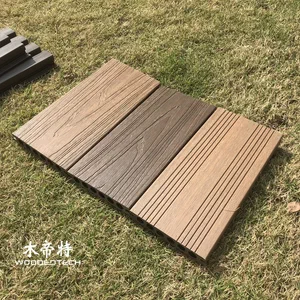
The visual appeal of WPC products is a significant selling point. Employing advanced manufacturing techniques, such as 3D embossing, can create realistic wood grain textures that enhance the product’s aesthetic quality. This not only appeals to consumers but can also justify a higher price point, contributing to ROI.

Conclusion
In the competitive landscape of outdoor materials, designing high-performance WPC products requires a strategic approach that balances wood fiber content, plastic ratios, and additives. By optimizing formulations and production processes, manufacturers can deliver durable, attractive products that appeal to consumers while ensuring profitability. As the demand for sustainable, long-lasting outdoor solutions grows, investing in quality WPC formulations will be key to maximizing ROI.
Related Articles
 Composite Teak for Durable Outdoor Decking Furniture Cladding and Landscape Applications
 The Essential Guide to Choosing Composite Decking Waterproof Solutions for 2024
 Composite Decking 5 Metre Lengths Provide Seamless Installation Options for Large Outdoor Areas
 Innovative Applications of WPC Building Materials in Modern Construction: 2023 Insights
Related Products
 GD13820 M Shape Co Extruded Composite Deck Planks Feature a Special Profile Design for Distinctive Outdoor Decking Applications
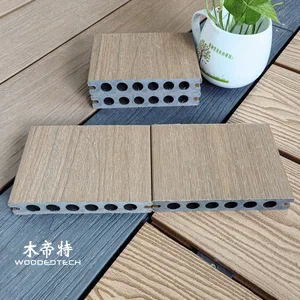 GD13823 Double Sided Flat Surface Co Extruded WPC Decking Features a Popular Width and Thickness with Round Hollow Structure
 GD13823-3 Composite Boards for Decking Are Available in Multiple Stock Colors with 3 Meter Lengths and Single Piece Delivery