
Maximizing ROI: The Benefits of Using Composite Decking Planks in Commercial Projects
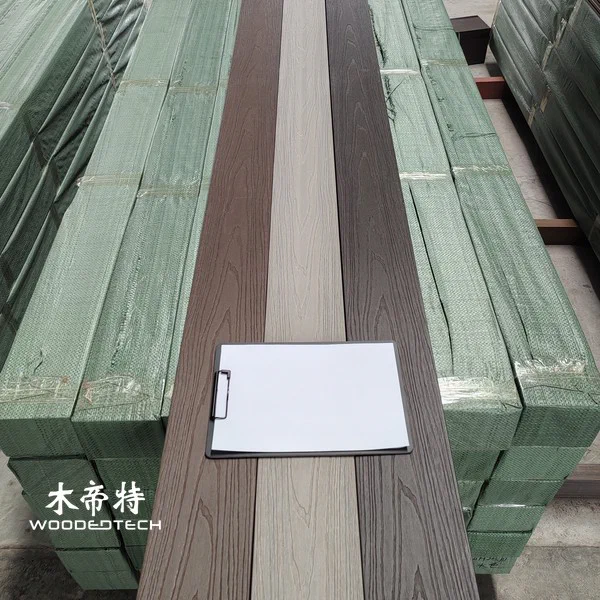
Composite decking planks have emerged as a popular choice for commercial projects, offering a blend of durability, aesthetic appeal, and low maintenance. This article compares composite decking with other materials, such as natural wood, traditional timber, aluminum, and other exterior options, focusing on their advantages, disadvantages, maintenance needs, and lifecycle costs.
Advantages of Composite Decking

Composite decking, particularly wood plastic composite (WPC), provides several benefits. It is resistant to rot, splintering, and insect damage, making it a long-lasting alternative to natural wood. The materials used in WPC are often recycled, contributing to its eco-friendly profile. Additionally, composite decking is available in various colors and textures, allowing for greater design flexibility.
Natural wood exudes warmth and beauty, appealing to those seeking traditional aesthetics. However, its susceptibility to environmental damage and high maintenance costs can be significant drawbacks. Traditional timber requires regular sealing, staining, and painting, escalating long-term expenses.
Aluminum is another alternative, known for its strength and resistance to rust and corrosion. It typically has a modern, sleek appearance and is low-maintenance. However, aluminum can feel cold and less inviting compared to the warmth of wood, which may not suit all design preferences.
Disadvantages of Each Material
While composite decking has many advantages, it is not without its downsides. Some lower-quality composites can fade over time and may be prone to scratching. Initial installation costs can also be higher compared to traditional wood options.
Natural wood, while beautiful, requires significant upkeep, which can deter some property owners. It may also warp or crack with changes in humidity and temperature, necessitating careful selection and treatment to mitigate these issues.
Aluminum’s high initial cost can be a barrier for some projects. Additionally, it can get hot in direct sunlight, making it less comfortable for outdoor spaces during warm weather.
Maintenance Requirements
Maintenance is a crucial aspect of material selection for commercial projects. Composite decking typically requires minimal maintenance; regular cleaning with soap and water is usually sufficient to keep it looking fresh. Unlike wood, it does not need regular staining or sealing, which can save time and labor costs.
Natural wood, on the other hand, demands more extensive care. To maintain its appearance and integrity, it requires annual sanding, staining, and sealing. This ongoing maintenance effort can lead to higher long-term costs and labor input.
Aluminum is low-maintenance, requiring only occasional cleaning to remove dirt and debris. It does not require painting or sealing, which makes it attractive for those looking for a hassle-free option.
Lifecycle Costs
When considering lifecycle costs, composite decking often proves to be more economical over time. While the initial investment may be higher, the reduced maintenance and replacement frequency can lead to significant savings.
Natural wood may appear cost-effective upfront, but the cumulative expenses of maintenance and potential early replacement due to environmental damage can make it more expensive in the long run.
Aluminum typically has a longer lifespan and lower maintenance needs, but its high initial cost can deter some projects. It’s essential to weigh these factors against the specific needs of the project to determine the best financial option.
Conclusion
Choosing the right decking material for commercial projects requires careful consideration of each material’s advantages and disadvantages, maintenance requirements, and lifecycle costs. Composite decking offers a robust and attractive option, combining durability and low maintenance with a variety of design possibilities. Assessing the long-term implications of each material will help ensure a wise investment that maximizes ROI.
Related Articles
 Composite Decking for Mobile Homes: Durable Solutions for Modern Housing
 Replacing Old Deck Boards with Composite: A Guide to Durable Decking Solutions
 Composite Decking and Installation Provide Complete Solutions for Building Durable Outdoor Floors
 How To Use WPC decking blog Information For Better Outdoor Project Planning
Related Products
 GD13820 M Shape Co Extruded Composite Deck Planks Feature a Special Profile Design for Distinctive Outdoor Decking Applications
 GD13823-3 Composite Boards for Decking Are Available in Multiple Stock Colors with 3 Meter Lengths and Single Piece Delivery
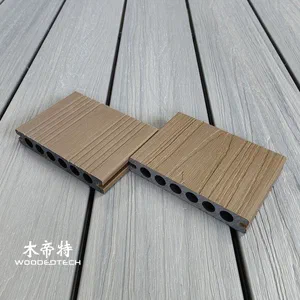 GD13823-3 Teak TK Co Extruded Decking Is a Popular Choice from Composite Decking Suppliers for Outdoor Flooring Projects