
Maximizing Outdoor Spaces: Composite Decking Over Concrete for Durability in 2023
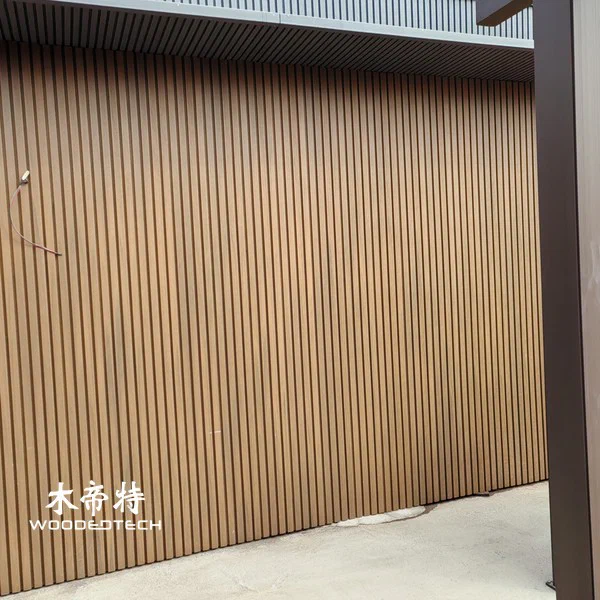
Architects and landscape designers increasingly turn to wood-plastic composite (WPC) materials to enhance outdoor spaces, particularly when integrating composite decking over concrete. These products offer a unique blend of durability and low maintenance, making them an ideal choice for modern outdoor environments. Understanding how to effectively utilize these materials can lead to stunning results that stand the test of time.
Advantages of WPC Products
WPC materials combine the best properties of wood and plastic, resulting in a product that is both sturdy and aesthetically pleasing. Key benefits include:
- Durability: WPC is resistant to rot, warping, and insect damage, ensuring that outdoor installations can withstand various weather conditions.
- Low Maintenance: Unlike traditional wood, WPC requires minimal upkeep. Regular cleaning with soap and water is typically sufficient to maintain its appearance.
- Eco-Friendly: Many WPC products are made from recycled materials, making them a sustainable choice for environmentally-conscious projects.
- Versatility: WPC can be used in various applications, including decking, fencing, and wall cladding, allowing designers to create cohesive outdoor spaces.
Project Considerations
When planning a project that incorporates WPC materials, several considerations should be taken into account:
- Site Assessment: Evaluate the existing concrete surface. Ensure it is structurally sound and level, as this will affect the installation of the WPC decking.
- Design Intent: Determine the desired aesthetic and functional outcomes. WPC products come in a range of colors and textures, allowing for creative expressions that complement the overall design theme.
- Local Climate: Take into account the local weather conditions. WPC’s resistance to various environmental factors makes it suitable for most climates, but understanding specific local conditions can help in selecting the right product.
Material Selection Advice

Selecting the appropriate WPC products is crucial for achieving the desired results. Here are some tips to guide architects and designers:
- Capped vs. Uncapped: Capped composite decking offers an additional layer of protection against moisture and stains, making it a preferred choice for areas prone to spills or heavy use. Uncapped options may be less expensive but may require more maintenance.
- Texture and Finish: Consider the texture of the WPC. Products with anti-slip finishes are essential for pool decks or areas exposed to moisture, enhancing safety without sacrificing style.
- Color Matching: Ensure that colors selected harmonize with the surrounding environment and other materials used in the project. A well-coordinated palette will elevate the overall aesthetic.
- Manufacturer Reputation: Research different brands and their offerings. High-quality WPC products can offer better durability and warranties, providing peace of mind for long-term investments.
Conclusion
Incorporating WPC materials into outdoor designs allows architects and landscape designers to create spaces that are both beautiful and functional. By focusing on the unique advantages of these products, considering project specifics, and selecting the right materials, it is possible to maximize outdoor spaces effectively. The right application of WPC can lead to a strikingly durable and low-maintenance environment that enhances the outdoor experience.
Related Articles
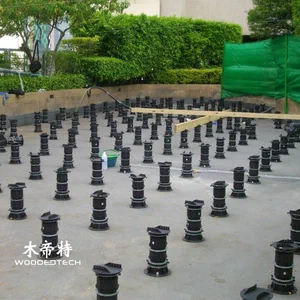 Innovative Applications of WPC Vlonderplanken in Modern Industrial Landscaping
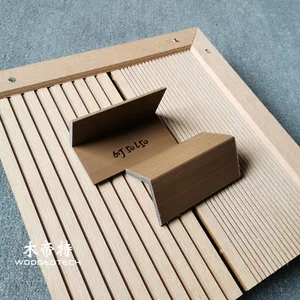 Innovative Applications of Composite Board for Decking in Commercial Projects
 Choosing Composite Decking for Pool Decks: Benefits and Best Practices for 2023
 Exploring the Benefits of Composite Deck Boards 10 ft for Commercial Projects in 2023
Related Products
 GD13820 M Shape Co Extruded Composite Deck Planks Feature a Special Profile Design for Distinctive Outdoor Decking Applications
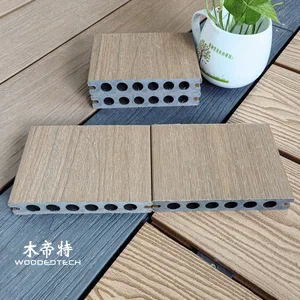 GD13823 Double Sided Flat Surface Co Extruded WPC Decking Features a Popular Width and Thickness with Round Hollow Structure
 GD13823-3 Composite Boards for Decking Are Available in Multiple Stock Colors with 3 Meter Lengths and Single Piece Delivery