
Maximizing Energy Efficiency: The Role of WPC Panels with Lights in Modern Facilities
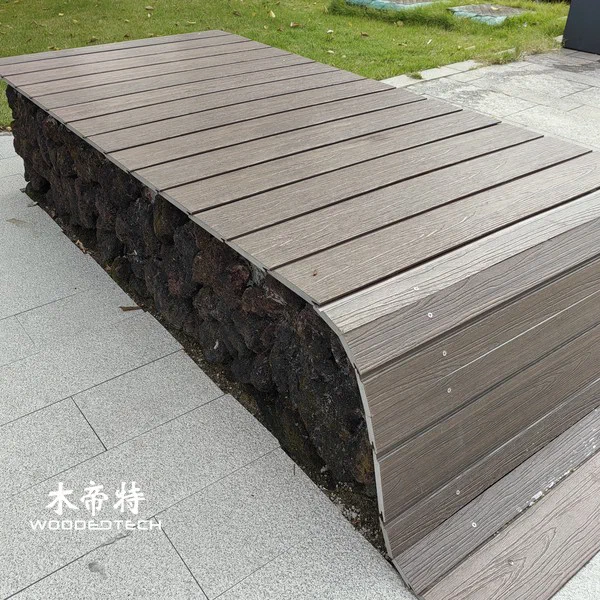
Outdoor wood plastic composite (WPC) panels are increasingly recognized as a sustainable choice for modern facilities. Their environmentally friendly profile stems from the use of recycled materials, reduced wood consumption, and their inherent durability, making them an attractive option for architects and builders looking to maximize energy efficiency.
Recycled Materials
One of the most significant advantages of outdoor WPC is its composition. WPC panels are made from a blend of recycled wood fibers and plastic, which helps divert waste from landfills. By incorporating these materials, manufacturers reduce the demand for virgin resources, contributing to a more sustainable manufacturing process. This reliance on recycled components not only diminishes environmental impact but also promotes a circular economy in the construction industry.

Reduced Wood Consumption
The production of outdoor WPC significantly lessens the need for traditional wood, which is crucial given the ongoing deforestation and habitat loss caused by lumber sourcing. By choosing WPC, builders can help alleviate pressure on forests, promoting conservation and sustainability. This shift not only benefits the environment but also encourages responsible sourcing practices within the construction sector.
Durability
WPC panels boast remarkable durability, making them ideal for outdoor applications. Unlike traditional wood, WPC does not warp, crack, or splinter, which can often lead to frequent replacements and additional waste. This longevity means that WPC structures can maintain their aesthetic appeal and functionality over a longer period. The reduced need for repairs and replacements not only saves resources but also contributes to lower overall energy consumption during a building’s lifecycle.
Low Maintenance Advantages
Another key benefit of outdoor WPC is its low-maintenance nature. Unlike wood, which requires regular sealing, staining, or painting to preserve its appearance and structural integrity, WPC is designed to withstand the elements with minimal upkeep. This feature is particularly advantageous for facilities aiming to reduce operational costs and enhance energy efficiency. Less maintenance translates to fewer resources spent on cleaning and repairs, further promoting sustainable practices.
The integration of WPC panels with lighting in modern facilities can enhance energy efficiency. By utilizing energy-efficient lighting systems in conjunction with WPC, facilities can create well-lit spaces that require less energy overall. The reflective properties of WPC can help optimize natural light usage, reducing reliance on artificial lighting during the day. This not only lowers energy costs but also contributes to a more environmentally conscious building operation.
Choosing outdoor WPC panels is more than just a design decision; it aligns with a commitment to sustainability and efficiency. By leveraging recycled materials, reducing wood consumption, ensuring durability, and minimizing maintenance, WPC stands out as an environmentally friendly alternative for modern facilities focused on energy efficiency. Adopting these materials contributes to a sustainable future while enhancing the functionality and aesthetic appeal of outdoor spaces.
Related Articles
 Innovations in Polymer Wood Composite: Enhancing Durability and Sustainability in 2023
 The Benefits of Composite Cladding on House Exteriors: A 2023 Industry Overview
 Exploring the Benefits of Synthetic Wood Ceiling Solutions for Commercial Spaces in 2023
 Exploring the Benefits of WPC Coffee: A Sustainable Solution for 2024
Related Products
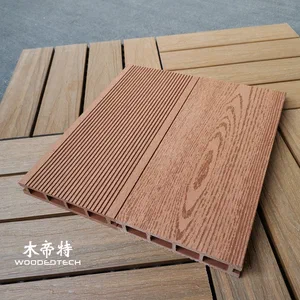 The Classic D14025-4 Red Wood WPC Wood Sheet Features a Timeless 2D Flat Wood Grain Design That Remains Popular After Twenty Years
 B1409.5 Siding WPC Exterior Boards Provide Waterproof Insect Resistant and Durable Outdoor Wall Solutions
 B17010 Plastic Wood Look Siding Provides Decorative Thin Boards for Modern Outdoor Wall Applications