
Maximizing Efficiency with Composite Decking Tongue and Groove Solutions in 2023
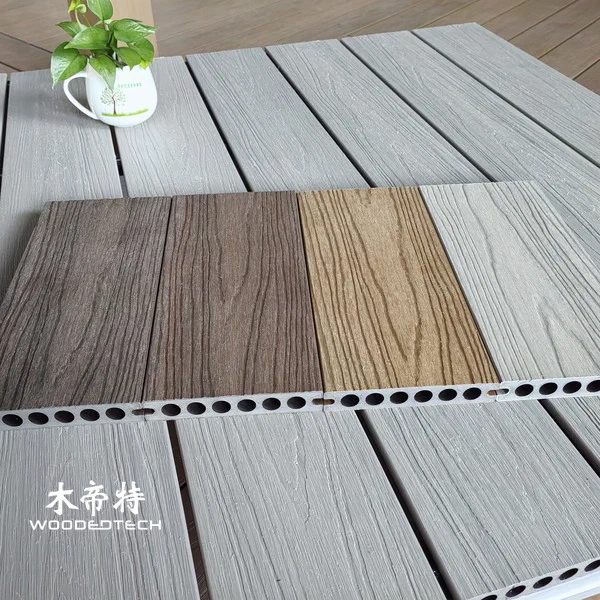
The outdoor WPC extrusion process is a complex and precise operation that combines various materials and techniques to produce durable and aesthetically pleasing composite decking solutions. This article delves into the essential stages of the WPC extrusion process, including material mixing, pelletizing, extrusion temperature control, mold design, cooling calibration, surface treatment, and common production challenges.
Material Mixing
The first step in the WPC extrusion process involves mixing wood flour, thermoplastics such as polyethylene or polypropylene, and additives. The proportions of these materials are crucial; typically, the mix consists of 60-70% wood fibers and 30-40% plastic. Additives such as colorants, UV stabilizers, and lubricants are also included to enhance performance and appearance. The mixing must be thorough to ensure uniform dispersion of materials, resulting in a consistent final product.
Pelletizing
Once the materials are mixed, the next phase is pelletizing. The blended mixture is fed into a pelletizer, which heats and compresses the mix into small pellets. This step is vital as it prepares the material for the extrusion process, ensuring it can be efficiently processed and handled. Proper pellet size and density are important to maintain the flow characteristics during extrusion.
Extrusion Temperature Control
Temperature control during extrusion is critical for achieving the desired properties of the WPC product. The temperature settings must be carefully monitored and adjusted at various zones of the extruder to ensure the material reaches a molten state without degrading. Typical extrusion temperatures range from 160°C to 220°C, depending on the specific formulation and desired end properties. Consistent temperature management helps in maintaining the quality and integrity of the product.
Mold Design

Mold design plays a significant role in determining the final shape and surface finish of the WPC product. A well-designed mold ensures precise dimensions and can accommodate features such as tongue and groove profiles for interlocking decking. The mold must also account for shrinkage that occurs as the material cools. Additionally, incorporating features like cooling channels in the mold can enhance the efficiency of the cooling process.
Cooling Calibration
After extrusion, the WPC product must undergo cooling to solidify its shape. This cooling calibration is typically achieved using water baths or air cooling systems. Effective cooling is essential to prevent warping and to ensure dimensional stability. The cooling rate must be controlled to avoid internal stresses that can lead to defects in the final product.
Surface Treatment
Surface treatment enhances the aesthetic qualities and performance of the WPC decking. Common treatments include embossing, which provides texture and improves slip resistance, and various coatings that enhance UV resistance and color retention. The surface treatment process can be integrated into the extrusion line, allowing for a seamless transition from extrusion to finishing.
Common Production Problems
Despite the advanced technology in WPC extrusion, several common production challenges can arise:
- Inconsistent material mixing can lead to variations in product quality.
- Improper temperature control may result in burns or incomplete melting of the material.
- Mold wear and tear can affect the dimensional accuracy of the extruded product.
- Cooling issues can cause warping or dimensional changes.
- Surface defects such as scratches or uneven finishes may occur without proper handling.
Addressing these challenges requires continuous monitoring and adjustments throughout the production process, as well as regular maintenance of machinery and molds.
By understanding and optimizing each step of the outdoor WPC extrusion process, manufacturers can produce high-quality composite decking solutions that meet the evolving demands of the market, particularly in tongue and groove applications. The integration of technology and best practices ensures efficiency and consistency in production.
Related Articles
 Outdoor Flooring WPC Decking Provides Comfortable and Stylish Solutions for Gardens and Patios
 Innovative Applications of WPC Vlonderplanken in Modern Industrial Landscaping
 Composite Deck Dimensions Help Buyers Choose Suitable Board Sizes for Different Outdoor Flooring Projects
 Best Composite Deck Boards For The Money
Related Products
 GD13820 M Shape Co Extruded Composite Deck Planks Feature a Special Profile Design for Distinctive Outdoor Decking Applications
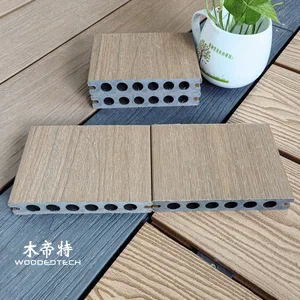 GD13823 Double Sided Flat Surface Co Extruded WPC Decking Features a Popular Width and Thickness with Round Hollow Structure
 GD13823-3 Composite Boards for Decking Are Available in Multiple Stock Colors with 3 Meter Lengths and Single Piece Delivery