
Maximizing Efficiency in Manufacturing: The Role of Composite Wood Panels in 2023
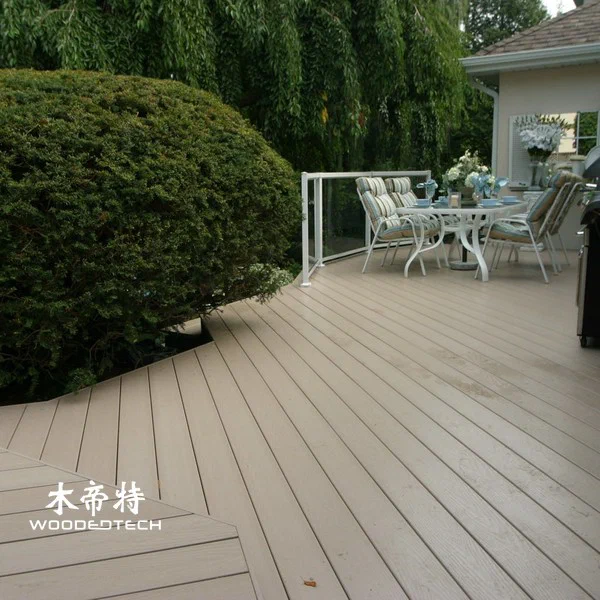
Professional manufacturers of composite wood panels, particularly in the outdoor WPC sector, implement systematic approaches to ensure mass production runs smoothly and efficiently. This involves meticulous planning and organization to enhance productivity, control costs, manage orders effectively, and guarantee stable delivery to international customers.
Organizing Mass Production
To streamline mass production, manufacturers begin with a detailed production schedule that outlines each phase of the manufacturing process. This includes sourcing raw materials, production timelines, and quality control checks. Advanced technology, such as automated machinery and production monitoring systems, plays a critical role in maintaining consistency and reducing human error.
By investing in state-of-the-art equipment and optimizing layouts for workflow efficiency, manufacturers can minimize downtime and ensure that production runs at full capacity. Furthermore, employing lean manufacturing principles helps identify and eliminate waste, ensuring that resources are used effectively.
Improving Efficiency
Efficiency is further enhanced through workforce training and development. Skilled workers understand the machinery and processes better, leading to higher output and fewer mistakes. Regular training sessions keep employees updated on the latest techniques and technologies, fostering a culture of continuous improvement.
Additionally, implementing software solutions for production management allows for real-time tracking of inventory, production rates, and quality control metrics. This data-driven approach enables manufacturers to respond quickly to any issues that arise, ensuring that production remains on schedule.
Controlling Production Costs
Cost control is essential for maintaining competitiveness in the WPC market. Professional manufacturers analyze every aspect of the production process to identify potential savings. This includes negotiating better rates with suppliers for raw materials, optimizing energy consumption during production, and reducing waste through efficient practices.
Using recycled materials in composite wood panel production not only lowers costs but also appeals to environmentally conscious customers. By incorporating sustainable practices, manufacturers can position themselves as responsible industry players, attracting more international buyers.
Managing Orders Effectively
Order management is critical, especially when dealing with international clients who may have varying requirements. Manufacturers use integrated software systems to manage orders, from initial inquiries to final delivery. These systems track order progress, ensuring that manufacturers can provide accurate updates to customers.
Flexible production schedules allow manufacturers to adapt to changes in order volume or specifications without significant delays. This agility is crucial in meeting the demands of international markets where customer preferences may evolve rapidly.
Ensuring Stable Delivery
Stable delivery is achieved through a combination of reliable logistics and thorough planning. Professional manufacturers collaborate with trusted logistics partners to ensure that products reach customers on time. By optimizing shipping routes and methods, they can reduce transit times and costs.

Furthermore, maintaining a buffer stock of popular products ensures that manufacturers can fulfill orders promptly, even in peak seasons or unexpected surges in demand. Effective communication with logistics providers and customers is essential to navigate any challenges that may arise during the delivery process.
By adhering to these strategies, manufacturers of composite wood panels can maximize efficiency, improve production processes, and build strong relationships with international customers, thereby ensuring long-term success in the competitive outdoor WPC market.
Related Articles
 Maximizing Efficiency in Manufacturing: The Role of Composite Consult in 2023
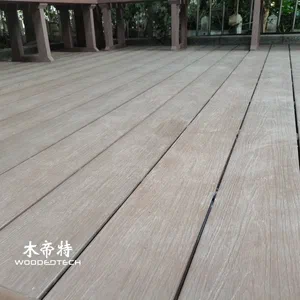 Best Practices for Composite Decking Spacing: A Comprehensive Guide for 2023
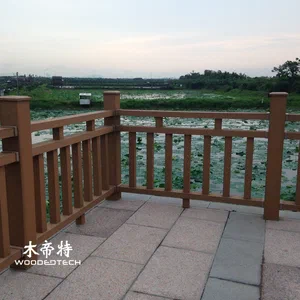 Enhancing Outdoor Spaces: The Advantages of Modular WPC Deck Systems in 2023
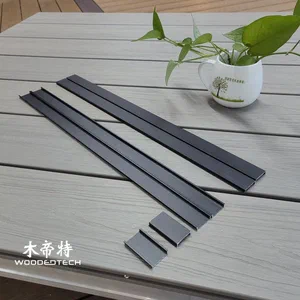 Enhancing Outdoor Spaces: The Benefits of Composite Deck Trim for Contractors
Related Products
 GD13820 M Shape Co Extruded Composite Deck Planks Feature a Special Profile Design for Distinctive Outdoor Decking Applications
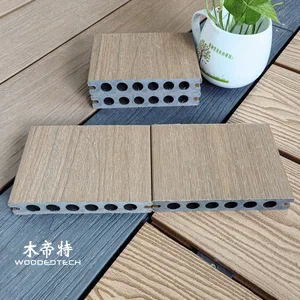 GD13823 Double Sided Flat Surface Co Extruded WPC Decking Features a Popular Width and Thickness with Round Hollow Structure
 GD13823-3 Composite Boards for Decking Are Available in Multiple Stock Colors with 3 Meter Lengths and Single Piece Delivery