
Maximizing Durability: The Role of Composite Deck Breaker Boards in 2023
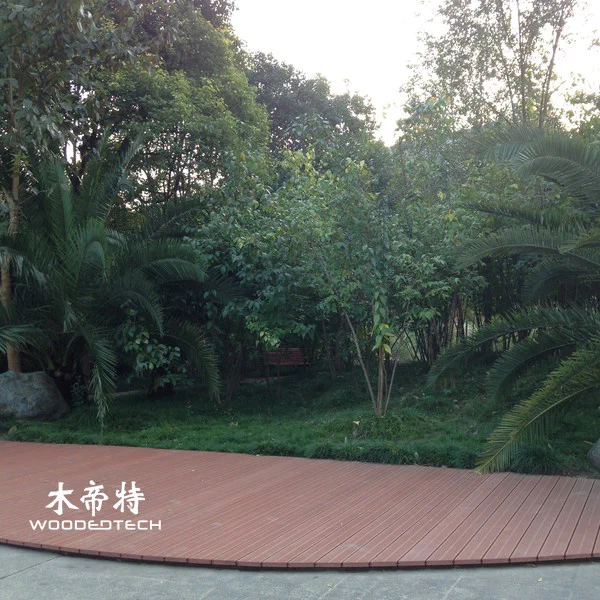
The durability and weather resistance of wood plastic composite (WPC) products are crucial for outdoor applications. Factors such as wood powder, HDPE/PVC polymers, additives, pigments, and modifiers play significant roles in determining these qualities. Understanding how these components interact can help manufacturers optimize their products for performance and longevity.
Key Components of WPC and Their Effects
Wood powder serves as the primary filler in WPC formulations. The quality and fineness of the wood powder directly influence the final product’s strength and durability. A finer wood powder can provide a smoother finish and better binding with polymers, enhancing the structural integrity of the WPC.
HDPE (high-density polyethylene) and PVC (polyvinyl chloride) are the two main polymers used in WPC manufacturing. Both materials contribute unique properties: HDPE offers excellent impact resistance and flexibility, while PVC provides superior weather and chemical resistance. The balance between these polymers affects the composite’s overall performance, including its resistance to UV radiation, moisture, and temperature fluctuations.
Additives are critical in tailoring the performance of WPC products. For instance, antioxidants and UV stabilizers can significantly extend the lifespan of WPC by preventing degradation from sunlight and oxidation. Additionally, coupling agents can improve the adhesion between the wood powder and the polymer matrix, leading to enhanced strength and durability.
Pigments not only provide color but also contribute to UV resistance. The choice of pigments can affect the fade rate of the product when exposed to sunlight. High-quality pigments with good UV stability will help maintain the aesthetic appeal of the WPC over time.
Modifiers, such as fire retardants and anti-fungal agents, can be added to enhance specific characteristics. Fire retardants improve safety by reducing flammability, while anti-fungal agents prevent mold and mildew growth, which is especially important in humid climates.
Practical Factory Inspection Methods
To ensure the quality of WPC products, rigorous factory inspection methods are essential. These methods include:
Material Inspection: Testing the quality of wood powder, polymers, and additives before they enter production. This includes assessing particle size distribution and moisture content in wood powder and checking the viscosity and melting point of polymers.
In-Process Testing: Regularly monitoring key parameters during the extrusion process, such as temperature, pressure, and flow rate. This ensures that the materials are processed under optimal conditions, which is critical for achieving consistent quality.
Mechanical Testing: Conducting tensile, flexural, and impact tests on finished WPC products. These tests evaluate the mechanical properties and durability, ensuring that products meet industry standards.
Environmental Testing: Subjecting WPC samples to accelerated weathering tests to simulate long-term exposure to UV light, moisture, and temperature extremes. This helps assess the weather resistance of the final product.

Quality Standards
Adhering to industry quality standards is vital for ensuring the performance and safety of WPC products. Standards such as ASTM D7032 for wood-plastic composites and ISO 9001 for quality management systems provide frameworks for quality assurance throughout the manufacturing process. Regular audits and compliance checks against these standards help maintain high product quality and reliability.
Incorporating these practices and understanding the effects of various components will enhance the durability, weather resistance, and overall performance of outdoor WPC products. This focus on quality ensures that manufacturers can deliver solutions that meet the demands of consumers and the challenges of outdoor environments.
Related Articles
 Is Plastic Wood Toxic And What Makes WPC Materials Safe For Outdoor Applications
 Plastic Wood Deck Boards Provide Durable Alternatives to Traditional Outdoor Timber Flooring
 Effective Solutions for Composite Deck Hole Filler: Enhance Durability in 2023
 Understanding Composite Deck Board Pricing: A Comprehensive Guide for 2023
Related Products
 GD13820 M Shape Co Extruded Composite Deck Planks Feature a Special Profile Design for Distinctive Outdoor Decking Applications
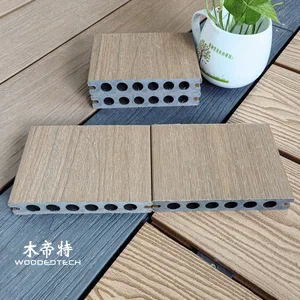 GD13823 Double Sided Flat Surface Co Extruded WPC Decking Features a Popular Width and Thickness with Round Hollow Structure
 GD13823-3 Composite Boards for Decking Are Available in Multiple Stock Colors with 3 Meter Lengths and Single Piece Delivery