Light Oak Composite Decking for Elegant and Natural Looking Outdoor Spaces
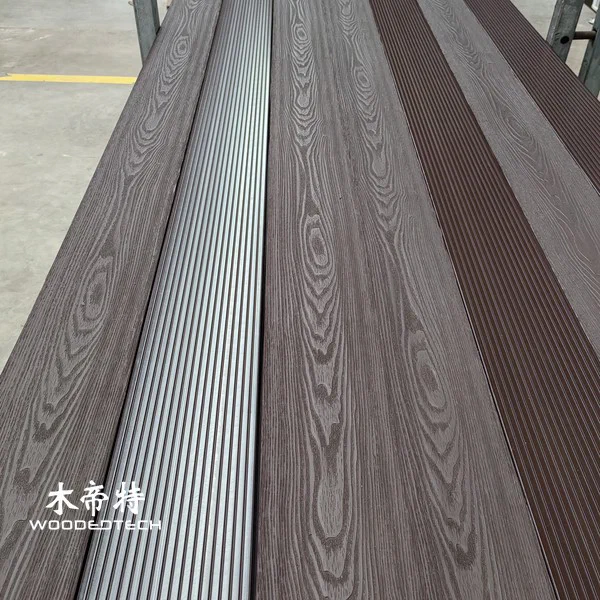
Light oak composite decking gives outdoor projects a clean, natural look without the upkeep that real timber demands. For B2B buyers, it is a practical choice for residential developments, hospitality terraces, commercial patios, and landscape projects that need consistent color, stable performance, and fast installation.
Why Light Oak Works in Commercial Outdoor Design
The appeal of light oak is simple: it brings warmth and brightness without making a space feel heavy. In large outdoor areas, this lighter tone helps reflect more light, soften hard architectural lines, and create a premium finish that works well with stone, metal, glass, and greenery. It suits modern developments where designers want a wood-look surface that feels welcoming but still refined.
From a procurement standpoint, light oak composite decking also offers better color consistency than natural timber. That matters on multi-unit projects where matching boards across phases or replacement orders is important. Many buyers also prefer composite because it reduces common timber problems such as splitting, warping, and frequent repainting.
Performance That Supports Long-Term Value
Composite decking is built for outdoor exposure, so it is a strong fit for decks, rooftop terraces, pool surrounds, boardwalks, and dining areas. A quality board can provide:
- moisture resistance for humid or rainy climates
- UV stability to slow fading
- slip-resistant surfaces for safer foot traffic
- low-maintenance cleaning with no staining or sealing
- improved dimensional stability compared with wood
For commercial buyers, these benefits help lower lifecycle cost. Less maintenance means fewer site visits, lower labor spend, and less downtime for tenants, guests, or residents. That is especially valuable for property managers and contractors responsible for high-traffic spaces.
Specifying the Right Product

Not all composite decking is the same. For projects that need a polished natural appearance, look for capped or co-extrusion decking with a realistic wood grain finish. These products usually deliver better surface protection and a more durable color layer, which is useful in exposed outdoor installations.
It also helps to confirm board profile, length, and installation method early in the project. Standardized dimensions simplify logistics and reduce waste, while matching accessories such as joists, trims, and railing components can improve project efficiency. If you are sourcing for export or wholesale supply, ask for technical data, loading details, and compliance documentation before placing a bulk order.
Light oak composite decking is a versatile option for buyers who need a natural look, predictable performance, and a product that supports modern outdoor design standards. It fits well in projects where appearance and practicality must work together.
FAQ
Q: Where is light oak composite decking commonly used? A: It is widely used for terraces, balconies, pool decks, hospitality areas, and residential outdoor living spaces. Its neutral tone makes it easy to coordinate with many design styles.
Q: Is composite decking suitable for commercial projects? A: Yes, it is a strong choice for commercial use because it offers good durability, lower maintenance, and consistent appearance across large installations. It is especially useful where long service life matters.
Q: What should buyers check before ordering? A: Buyers should confirm board structure, surface treatment, color stability, and installation accessories. It is also important to review technical specifications and packaging for export or wholesale shipments.
Related Articles
Related Products
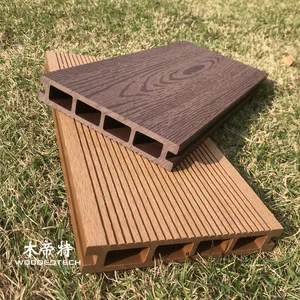 D14025-4 Composite for Decking Provides Stable Performance and Reliable Quality as a Popular Choice for Outdoor Projects
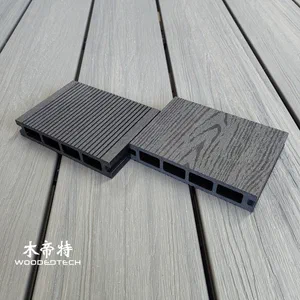 D14025-4 WPC Decking Boards Feature a Flat Wood Grain Surface with Black Ebony Heartwood Ring Grain for Outdoor Applications
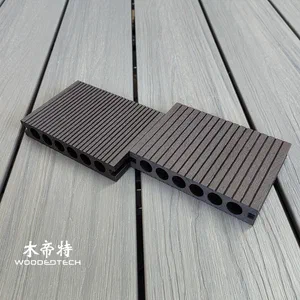 D14025-5 Composite Lumber for Decks Features a Dark Chocolate Color Round Hole Design and High Strength for Outdoor Decking