
Leveraging Artificial Wood: Innovations and Benefits for the Industrial Sector in 2023
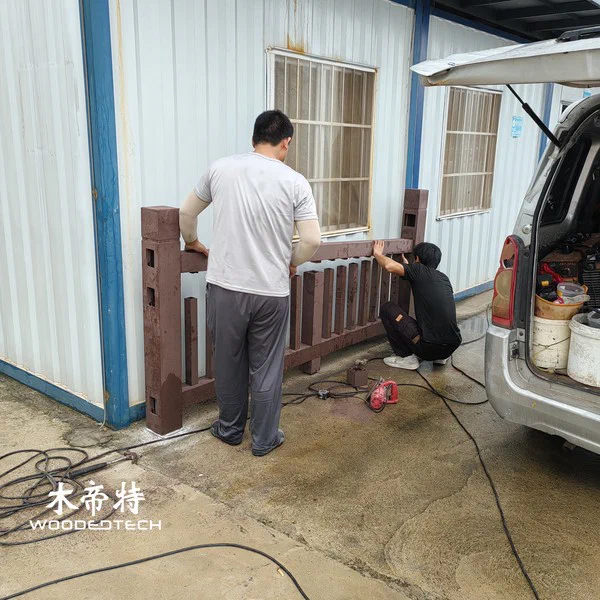
Outdoor wood plastic composite (WPC) has emerged as a leading choice for environmentally conscious consumers and businesses. By utilizing recycled materials, reducing the reliance on traditional wood, and offering exceptional durability and low-maintenance benefits, outdoor WPC presents a sustainable alternative for various applications.
Recycled Materials
One of the most significant advantages of outdoor WPC is its composition. This material typically combines wood fibers with recycled plastics, such as those sourced from post-consumer waste. By integrating these materials, WPC not only reduces landfill waste but also lessens the need for virgin wood resources. This approach helps decrease deforestation and the negative environmental impacts associated with harvesting timber.
Reduced Wood Consumption
As global awareness of sustainability grows, the construction industry is under pressure to minimize its environmental footprint. Outdoor WPC contributes significantly to this effort by reducing wood consumption. By substituting traditional lumber with WPC, businesses can help preserve forests while still meeting their material needs. This shift not only supports eco-friendly building practices but also promotes a circular economy by extending the life cycle of recycled materials.
Durability
WPC is renowned for its durability compared to traditional wood. Its resistance to moisture, insects, and fading makes it an ideal choice for outdoor settings. Unlike wood, which can warp, crack, or splinter, WPC retains its structural integrity over time, meaning fewer replacements and repairs are needed. This longevity translates into a lower overall environmental impact, as longer-lasting materials require less frequent replacement and, consequently, fewer resources for production and disposal.
Low-Maintenance Advantages

Another compelling reason for choosing outdoor WPC is its low-maintenance nature. Traditional wood requires regular treatments, such as staining and sealing, to protect it from the elements. In contrast, WPC is designed to withstand harsh weather conditions without the need for constant upkeep. This reduction in maintenance not only saves time and labor costs but also minimizes the environmental impact associated with chemical treatments and cleaning products.
The low-maintenance aspect of WPC is particularly appealing for businesses looking to reduce operational costs while maintaining high standards of quality and aesthetics. With a variety of finishes and styles available, outdoor WPC can replicate the look of traditional wood without the associated drawbacks.
Conclusion
Outdoor WPC stands out as an environmentally friendly building material that addresses the pressing need for sustainable alternatives in the construction industry. Its use of recycled materials, reduction in wood consumption, exceptional durability, and low-maintenance benefits make it a smart choice for businesses aiming to enhance their sustainability efforts while enjoying the advantages of modern materials.
Related Articles
 The Advantages of Composite Flooring for Industrial Applications: A 2023 Overview
 WPC Building Materials Provide Sustainable Solutions For Modern Construction And Outdoor Projects
 Innovations in Recycled Plastic Wood Lumber: Transforming Sustainable Construction in 2023
 Innovations in Composite Boards for Decks: Enhancing Durability and Sustainability in 2023
Related Products
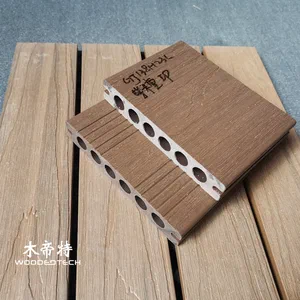 GD13823-3 Composite Boards for Decking Are Available in Multiple Stock Colors with 3 Meter Lengths and Single Piece Delivery
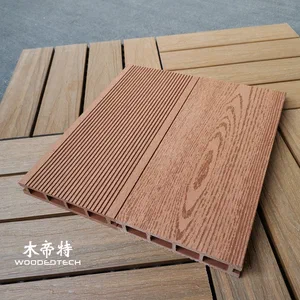 The Classic D14025-4 Red Wood WPC Wood Sheet Features a Timeless 2D Flat Wood Grain Design That Remains Popular After Twenty Years
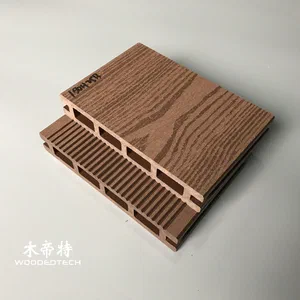 D15025-2 Classic Waterproof Insect Resistant Corrosion Resistant And Termite Resistant Composite Decking Types With Twenty Years Of Sales Experience