len("wpc vs aluminium: A 2026 Industrial Material Comparison Guide")
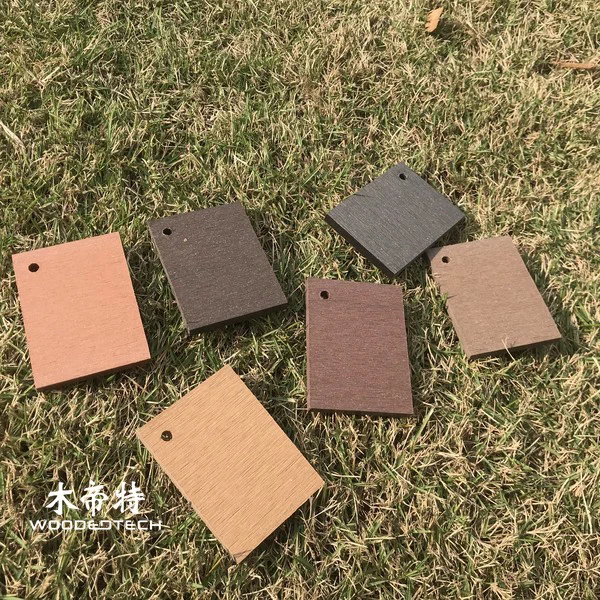
Outdoor WPC (wood plastic composite) and aluminium are two popular exterior materials for modern architecture, landscaping, and commercial projects. This guide compares WPC vs aluminium alongside natural wood, traditional timber, and other outdoor materials to help buyers understand performance, maintenance, and lifecycle value.
Material Performance Comparison
Outdoor WPC combines wood fibers or powder with polymers to create a durable composite material designed for exterior environments. Compared with natural wood, WPC offers stronger resistance to moisture, insects, rot, and cracking. It maintains a wood-like appearance while reducing the problems commonly associated with timber exposure.
Aluminium is valued for its lightweight structure, corrosion resistance, and high strength-to-weight ratio. It performs well in applications such as facades, fencing, railings, and architectural frames. However, aluminium has a more industrial appearance and usually requires additional surface treatments or coatings to achieve a natural aesthetic.
Natural wood provides authentic texture and warmth, making it attractive for premium outdoor designs. Traditional timber can be strong and visually appealing, but it requires regular sealing, staining, and protection against water, UV damage, and biological decay.

Maintenance and Durability Analysis
Maintenance requirements are a major factor in long-term material selection. WPC decking, wall panels, and fencing generally need only routine cleaning with water and mild detergent. High-quality WPC products with UV-resistant additives and protective surface layers can maintain color stability for many years.
Aluminium requires minimal maintenance and does not rot or absorb water. However, damaged coatings may need repair to prevent oxidation or appearance issues. Timber requires the highest maintenance level, with periodic oiling, painting, or sealing depending on climate conditions.
Key maintenance differences include:
- WPC: low maintenance, moisture resistant, no regular painting required
- Aluminium: very low maintenance, strong corrosion resistance, coating inspection recommended
- Natural wood: frequent maintenance, vulnerable to moisture and insects
- Steel: strong but may require rust protection and repainting
Lifecycle Cost and Application Considerations
Initial purchase price is only one part of the investment decision. While some timber products may have a lower upfront cost, ongoing maintenance can increase total ownership expenses. Aluminium often has a higher initial cost but delivers a long service life with limited upkeep.
WPC provides a balance between appearance, durability, and lifecycle value. It is widely used for outdoor decking, wall cladding, fences, pergolas, and landscape structures where designers want a wood appearance without intensive maintenance. Compared with aluminium, WPC offers better thermal comfort and a more natural visual effect, while aluminium provides advantages in structural applications requiring maximum strength.
For commercial and residential exterior projects, the best choice depends on design requirements, climate conditions, expected lifespan, and maintenance budgets. WPC is often selected when a wood appearance, weather resistance, and reduced maintenance workload are key priorities.
FAQ
Q: Is WPC more durable than natural wood outdoors? A: Yes, WPC generally offers better resistance to moisture, insects, and decay than untreated natural wood, making it suitable for long-term outdoor use.
Q: Is aluminium cheaper than WPC for exterior applications? A: Aluminium may have a higher initial cost, while WPC can provide competitive lifecycle value through lower maintenance requirements.
Q: Which material requires the least maintenance? A: Aluminium typically requires the least maintenance, while WPC also offers low-maintenance performance compared with traditional timber.
Related Articles
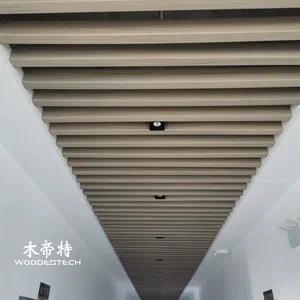 WPC Abkürzung Explained: Industrial Applications and Standards Guide
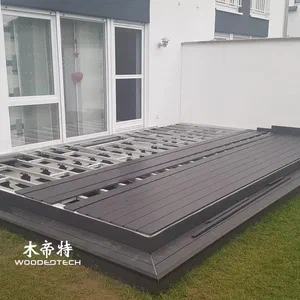 Composite Material Applications for Outdoor Decking Cladding Fencing Furniture and Garden Structures
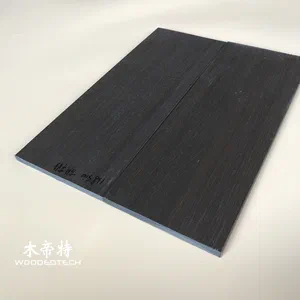 Outdoor WPC Deck for Durable Residential Gardens Patios Balconies and Landscape Projects
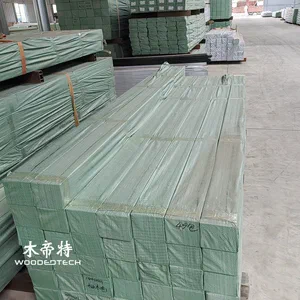 Solid Composite for Strong Durable Outdoor Decking Panels and Architectural Applications
Related Products
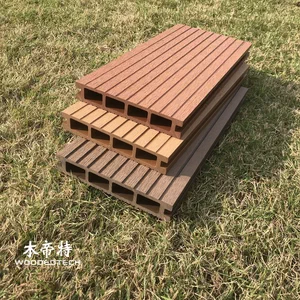 D14025-3 Square Hole Double Sided Grooved WPC Board Factory Producing Outdoor Decking Boards With Good Slip Resistance
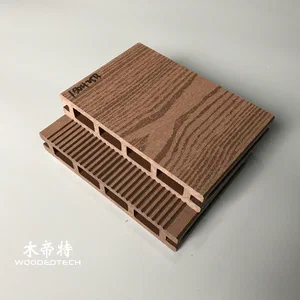 D15025-2 Classic Waterproof Insect Resistant Corrosion Resistant And Termite Resistant Composite Decking Types With Twenty Years Of Sales Experience
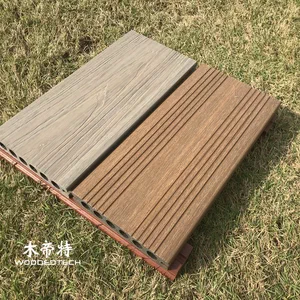 GD13823-3 Second Generation Co Extruded Wood Plastic Composites With High Quality Stable Performance For Premium Outdoor Applications