len("Composite Board for Decking: B2B Supply Trends and Performance Guide")
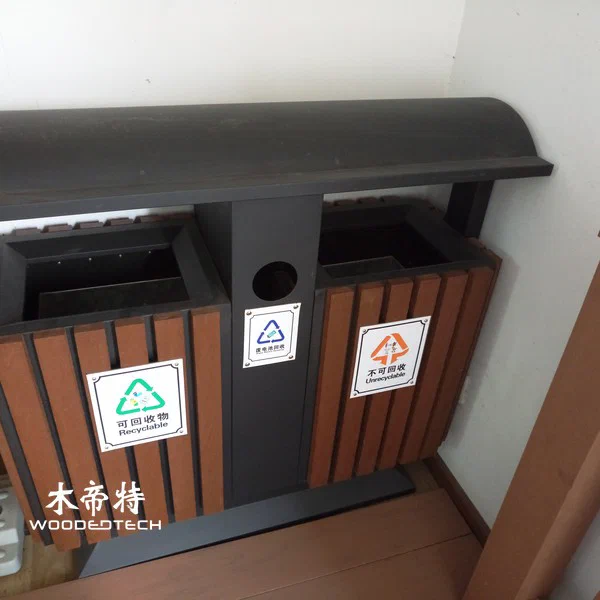
Composite board for decking has become a key outdoor building material for global B2B buyers seeking durable, low-maintenance alternatives to traditional timber. Driven by demand for sustainable construction, weather resistance, and consistent quality, composite decking supply chains are expanding across residential, commercial, and landscaping projects worldwide.
Global supply trends in composite decking
The international market for composite decking is shifting toward higher-performance products with improved appearance, strength, and environmental value. Importers, distributors, and contractors are increasingly sourcing wood plastic composite decking boards that combine recycled materials with advanced manufacturing technology to reduce maintenance requirements and extend service life.
Current demand is particularly strong for capped composite decking, co-extrusion decking, and products with realistic wood textures. These solutions offer better resistance to moisture, UV exposure, stains, and fading compared with traditional wood. B2B buyers are also paying closer attention to production capacity, quality control systems, certifications, and customization options when selecting suppliers.
Performance factors shaping buyer decisions

For international projects, composite deck boards must meet different climate and installation requirements. Markets with high humidity, heavy rainfall, or intense sunlight require materials with strong waterproof performance, dimensional stability, and color retention.
Key product considerations include:
- Surface treatment technology for improved appearance and slip resistance
- Solid or hollow board structures based on project needs
- Anti-UV additives for long-term outdoor performance
- Easy installation systems that reduce labor costs
- Custom colors, profiles, and finishes for regional preferences
The demand for composite decking is also connected with wider outdoor living trends. Homeowners, hotels, commercial developments, and public spaces are investing more in attractive outdoor areas, creating opportunities for suppliers of decking, fencing, pergolas, wall cladding, and landscape products.
Future opportunities in outdoor building materials
The next stage of market growth will focus on integrated outdoor solutions rather than single products. Buyers are looking for suppliers that can provide complete systems including composite deck boards, wpc cladding, fencing panels, pergola structures, railing, and decorative landscape elements.
Sustainability will remain a major purchasing factor. Manufacturers using recycled polymers, responsible sourcing practices, and efficient production methods are better positioned to serve markets with stricter environmental standards. At the same time, product innovation such as advanced embossing, multi-layer surfaces, and customized extrusion profiles will create new business opportunities.
For wholesalers and project suppliers, reliable supply capacity and product differentiation will be essential. Companies that offer flexible OEM services, stable quality, and solutions for different climates can build stronger partnerships in the global outdoor construction market.
FAQ
Q: What are the main advantages of composite board for decking? A: Composite decking offers durability, low maintenance, moisture resistance, and a wood-like appearance without the regular treatment required by natural timber.
Q: Why are B2B buyers choosing composite decking over traditional wood? A: Many buyers prefer composite decking because it provides more consistent quality, longer service life, and lower maintenance costs for large-scale projects.
Q: What trends will influence the future composite decking market? A: Sustainability, advanced surface technology, customized designs, and complete outdoor material solutions are expected to shape future demand.
Related Articles
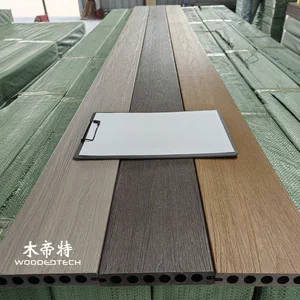
Related Products
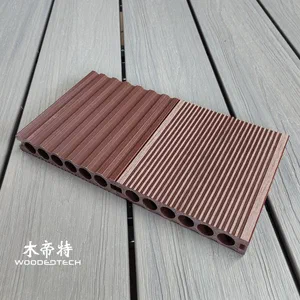 140-25 Double Wave Round Hole E Red Sandalwood Color Wood Polymer Decking Board With Affordable Price For Budget Engineering Projects
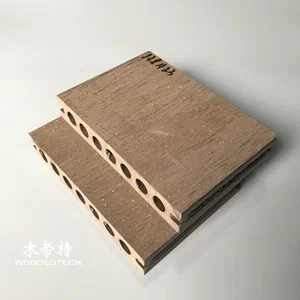 D13823 Round Hole Double Sided Flat WPC Bamboo Decking Boards With Strong Quality And Various Wood Grain Surface Treatments
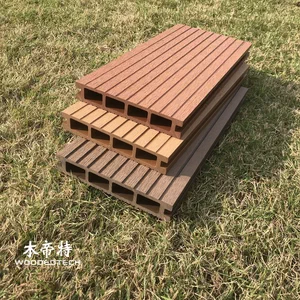 D14025-3 Square Hole Double Sided Grooved WPC Board Factory Producing Outdoor Decking Boards With Good Slip Resistance