
Key Considerations for Choosing Plastic Extrusion Profiles in 2023: A Comprehensive Guide
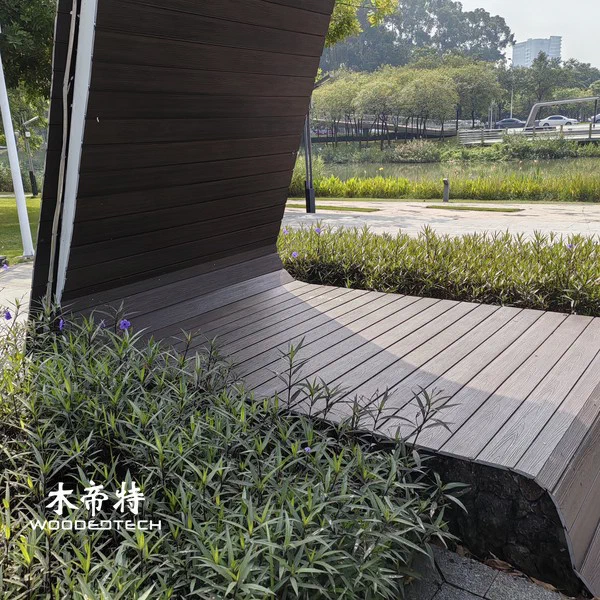
The outdoor WPC (Wood Plastic Composite) extrusion process is a complex but efficient method for creating durable and versatile building materials. This guide outlines the key stages of the extrusion process, from material preparation to surface treatment, while also addressing common production challenges.
Material Mixing
The first step in the WPC extrusion process involves mixing wood fibers with thermoplastics, typically polyethylene or polypropylene. The wood fibers can come from various sources, including sawdust and wood shavings, while the thermoplastics provide the necessary flexibility and durability.
- The mixing process requires precise control to achieve a uniform blend.
- Additives such as colorants, UV stabilizers, and fire retardants can also be included to enhance performance and aesthetics.
This mixture is often subjected to high temperatures in a twin-screw extruder, facilitating thorough blending and preparing the material for pelletizing.
Pelletizing
Once the material is adequately mixed, it is pelletized to create small, uniform pellets. This process is crucial because it simplifies the handling and feeding of the material during the extrusion phase. The pellets are produced by forcing the mixed material through a die, which shapes it into small cylindrical pieces.
- Proper pellet size is essential for consistent feeding into the extruder.
- Moisture control is vital during pelletizing to prevent degradation of the wood fibers and ensure optimal quality.
Extrusion Temperature Control
Temperature control during extrusion is critical, as it directly affects the properties of the final product. The extruder is typically divided into several zones, each with adjustable temperatures to accommodate the specific requirements of the material.
- The first zones are heated to melt the thermoplastic, while the later zones are maintained at lower temperatures to ensure proper flow and shaping.
- Monitoring the temperature closely helps prevent overheating, which can lead to degradation of the material and affect the quality of the extrusion.
Mold Design
The design of the mold plays a pivotal role in defining the shape and texture of the final product. Custom molds can be created based on specific application needs, whether for decking, cladding, or other structures.
- Mold design must consider factors such as cooling rates and shrinkage of the material.
- Incorporating features like textures or patterns can enhance the aesthetic appeal and slip resistance of the finished product.

Cooling Calibration
Post-extrusion cooling is another essential step to solidify the WPC profile and maintain its shape. Cooling can be achieved through air or water baths, and the calibration of this stage must ensure that the product does not warp or deform.
- Consistent cooling rates are necessary to avoid internal stresses that could compromise the integrity of the material.
- Adjustments to cooling parameters can help achieve specific characteristics, such as surface finish and dimensional accuracy.
Surface Treatment
To improve the aesthetic and functional properties of the WPC product, surface treatments are often applied. These treatments can enhance weather resistance, UV protection, and overall durability.
- Options for surface treatment include painting, coating, or embossing, depending on the desired finish.
- Regular maintenance and proper treatment can significantly extend the lifespan of WPC products in outdoor applications.
Common Production Problems
Despite the advanced technology used in WPC extrusion, several common issues can arise during production:
- Inconsistent Material Flow: This may lead to defects in the final product. Proper mixing and pelletizing can help mitigate this issue.
- Surface Defects: These can occur due to improper temperature control or cooling calibration, affecting the appearance and usability of the product.
- Dimensional Variability: This can arise from inconsistent cooling or mold issues. Regular calibration and maintenance of equipment are essential to ensure precision.
By understanding these key aspects of the WPC extrusion process, manufacturers can optimize their production practices, resulting in high-quality, durable outdoor products that meet market demands.
Related Articles
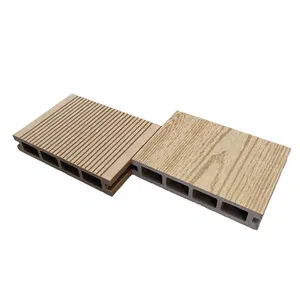 Outdoor WPC Decking for Beautiful Durable and Low Maintenance Outdoor Living
 How To Complete Wood Plastic Decking Installation With Proper Methods And Tools
 How To Install Wood Plastic Composite Decking With Professional Techniques
 Effective Composite Deck Power Wash Techniques for Industrial Applications in 2023
Related Products
 GD13823-3 Composite Boards for Decking Are Available in Multiple Stock Colors with 3 Meter Lengths and Single Piece Delivery
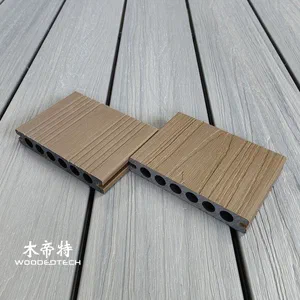 GD13823-3 Teak TK Co Extruded Decking Is a Popular Choice from Composite Decking Suppliers for Outdoor Flooring Projects
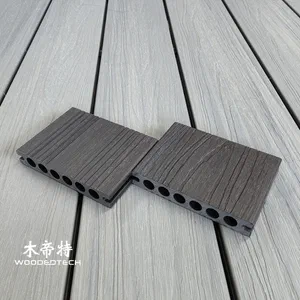 GD13823-3 Walnut WN Co Extruded Decking Features a Dark Rich Color That Helps Resist Visible Dirt and Stains